📘 Know-howSoil and mulch4 min read
A plain gravel garden path: how deep, how much edging, how many bags
Quick answer
UC Master Gardeners call 2 inches of gravel a practical minimum for a path, or 4 inches if stepping stones or pavers will be set into it. Sakrete suggests a 2 to 4 inch base for walks. A 3 x 30 ft path at 3 inches takes 22.5 cubic feet: 0.83 cubic yards, 45 bags of 0.5 cu ft or 38 bags of 60 lb. Edging both long sides takes 60 feet.
Source: UC Master Gardeners, Gravel Pathways in the Garden, checked October 12, 2026; Sakrete All-Purpose Gravel data sheet, checked October 6, 2026.

How deep
Two inches, or four with stepping stones
A plain gravel path skips the sand and the pavers that a patio needs. It's one layer of stone, spread to an even depth and held in by an edge. A UC Master Gardener article on gravel paths calls 2 inches a practical minimum. If you plan to set thick stepping stones or pavers into the gravel, it says to allow 4 inches.
Source: UC Master Gardeners, Gravel Pathways in the Garden, checked October 12, 2026.
Sakrete's gravel data sheet agrees: it suggests a 2 to 4 inch drainage base for walks. So for a garden path, plan somewhere from 2 to 4 inches, deeper where you'll set stones or push a wheelbarrow.
Source: Sakrete All-Purpose Gravel data sheet, checked October 6, 2026.
- 2 inpractical minimum gravel depth (UC Master Gardeners)UC Master Gardeners, Gravel Pathways in the Garden, October 12, 2026
- 4 inwith stepping stones or pavers set inUC Master Gardeners, Gravel Pathways in the Garden, October 12, 2026
- 80 to 120 sq ftone ton covers at 2 in deep (rough rule)UC Master Gardeners, Gravel Pathways in the Garden, October 12, 2026
- 2 to 4 indrainage base for walks (Sakrete)Sakrete All-Purpose Gravel data sheet, October 6, 2026
Step by step
Measure, edge and fill the path
Lay out the path
Mark it with string and stakes, or a garden hose for curves. Measure the width in a few places and the length along the middle.
Pick the depth
Two inches for a path you only walk. Four if stepping stones go in, as the UC Master Gardener article says, or if a loaded wheelbarrow will use it.
Source: UC Master Gardeners, Gravel Pathways in the Garden, checked October 12, 2026.
Measure the edging
Edging runs along both sides, so it's twice the path length, plus the ends if you close them. Lay a hose along each edge of a curved path and measure the hose.
Choose stone that packs
Angular crushed stone packs into a nearly solid surface; round pea gravel never packs down fully and rolls underfoot. Smaller pieces are more comfortable to walk on.
Source: UC Master Gardeners, Gravel Pathways in the Garden, checked October 12, 2026.
Count the bags or tons
Run the calculator with the path size and depth, with the sand and paver fields left blank. It gives cubic feet, cubic yards and bags.
Spread, rake and tamp
Fill between the edges, rake level and tamp. Walk it for a week, then top up the low spots.
Quick reference
Gravel for a 3 x 30 ft path at three depths
| Depth | Cubic feet | Cubic yards | 0.5 cu ft bags | 60 lb bags (about 0.6 cu ft) |
|---|---|---|---|---|
| 2 in | 15 | 0.56 | 30 | 25 |
| 3 in | 22.5 | 0.83 | 45 | 38 |
| 4 in | 30 | 1.11 | 60 | 50 |
90 sq ft of path. Bag sizes from the Sakrete All-Purpose Gravel data sheet; bag counts rounded up. Nothing added for tamping.
Source: Sakrete All-Purpose Gravel data sheet, checked October 6, 2026.
If the stone yard sells by the ton, the UC Master Gardener article gives a rough rule: one ton covers 80 to 120 square feet at 2 inches deep. For the 90 sq ft example path at 2 inches, that's about 0.75 to 1.13 tons. The range is wide because stones weigh differently, so ask the yard what a ton of its stone covers.
Source: UC Master Gardeners, Gravel Pathways in the Garden, checked October 12, 2026.
Edges and fabric
What holds the gravel in place
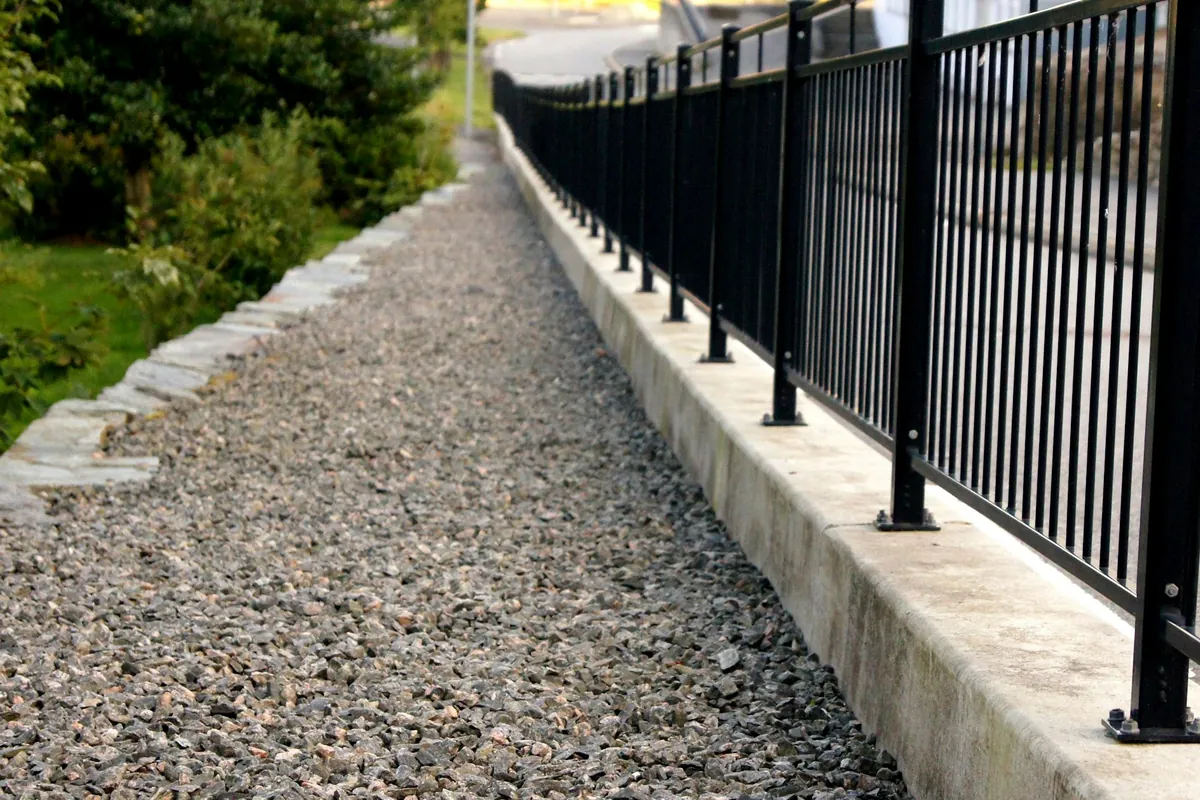
Without an edge, gravel walks off into the lawn and the beds. The UC Master Gardener article lists bender board, its plastic copies, rock, pavers, bricks and lumber as borders that keep it in. Any of them works as long as the edge runs the full length on both sides.
Source: UC Master Gardeners, Gravel Pathways in the Garden, checked October 12, 2026.
Print it, tick it off
Gravel path sheet
Fill this in before you buy the edging and the stone.
- Path length along the middle, and width
- Square feet
- Gravel depth, and whether stepping stones go in
- Edging length: both sides, plus the ends you close
- Stone type: angular crushed or round
- Cubic feet, cubic yards and bag count (from the calculator)
- Fabric or no fabric
- Date laid, and date of the first top-up
What people learn the second year
Tips and tricks
- Edge first, gravel second. Set the edging before any stone arrives. It gives you a clean line to rake to and stops the first loads spilling onto the lawn.
- Measure curves with a hose. The outside edge of a curve is longer than the inside edge. Lay a hose along each one and measure the hose.
- Buy a few extra bags. Tamping and foot traffic settle the stone. Keep a couple of bags back for the low spots after the first week.
- Price bags against a load. Past about a cubic yard, ask a stone yard for a bulk price and compare it with the bag total, delivery included.
Common questions
Questions
How deep should a gravel path be?
UC Master Gardeners call 2 inches a practical minimum and say to allow 4 inches if thick stones or pavers are set in. Sakrete suggests a 2 to 4 inch base for walks.
Source: UC Master Gardeners, Gravel Pathways in the Garden, checked October 12, 2026; Sakrete All-Purpose Gravel data sheet, checked October 6, 2026.
How many bags of gravel for a 3 x 30 ft path?
At 3 inches deep it's 22.5 cubic feet: 45 bags of 0.5 cu ft or 38 bags of 60 lb, which Sakrete lists at about 0.6 cu ft each. At 2 inches it's 30 or 25 bags.
Source: Sakrete All-Purpose Gravel data sheet, checked October 6, 2026.
How much does a ton of gravel cover?
A rough rule from UC Master Gardeners: one ton covers 80 to 120 square feet at 2 inches deep. Stones weigh differently, so ask the yard for its own figure.
Source: UC Master Gardeners, Gravel Pathways in the Garden, checked October 12, 2026.
Do I need sand under a gravel path?
No. The sand bed is for pavers to sit on. A plain gravel path is one layer of stone between edges, so leave the sand and paver fields blank in the calculator.
The arithmetic, done for you
Tools for this job
- 🪨 CalculatorGravel and paver base calculatorHow much gravel and sand to buy for a paver patio, walkway or gravel path: cubic feet, cubic yards, bag counts and how deep to dig.Open the tool
- 🧺 SectionAll soil and mulch toolsRaised-bed soil, mulch, compost and topsoil calculators that give cubic feet, cubic yards and bag counts, using bag sizes printed by the makers.See the section
Keep reading
More guides
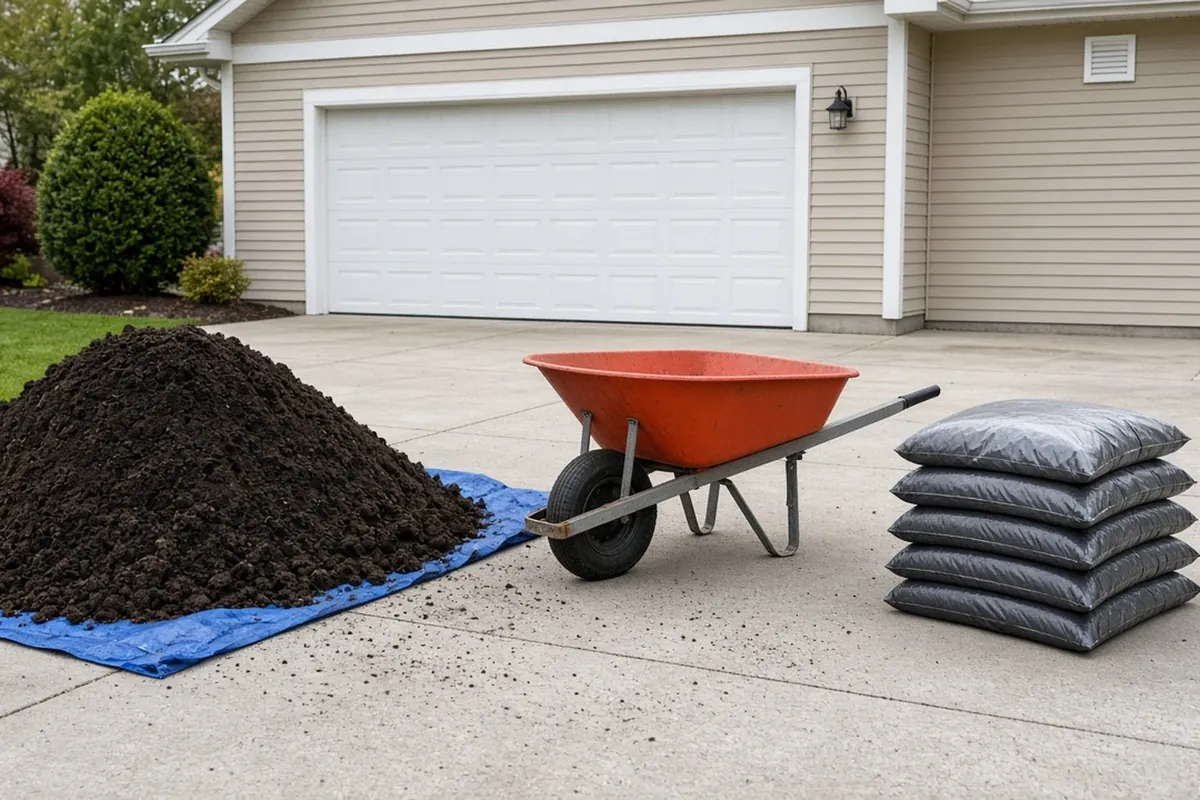 🧰 Problem solverBags or bulk: when a cubic yard delivery is cheaperHow to compare bagged soil, mulch or compost with a bulk cubic yard: price per cubic foot, the delivery fee, and the bag count where bulk wins.Read the guide
 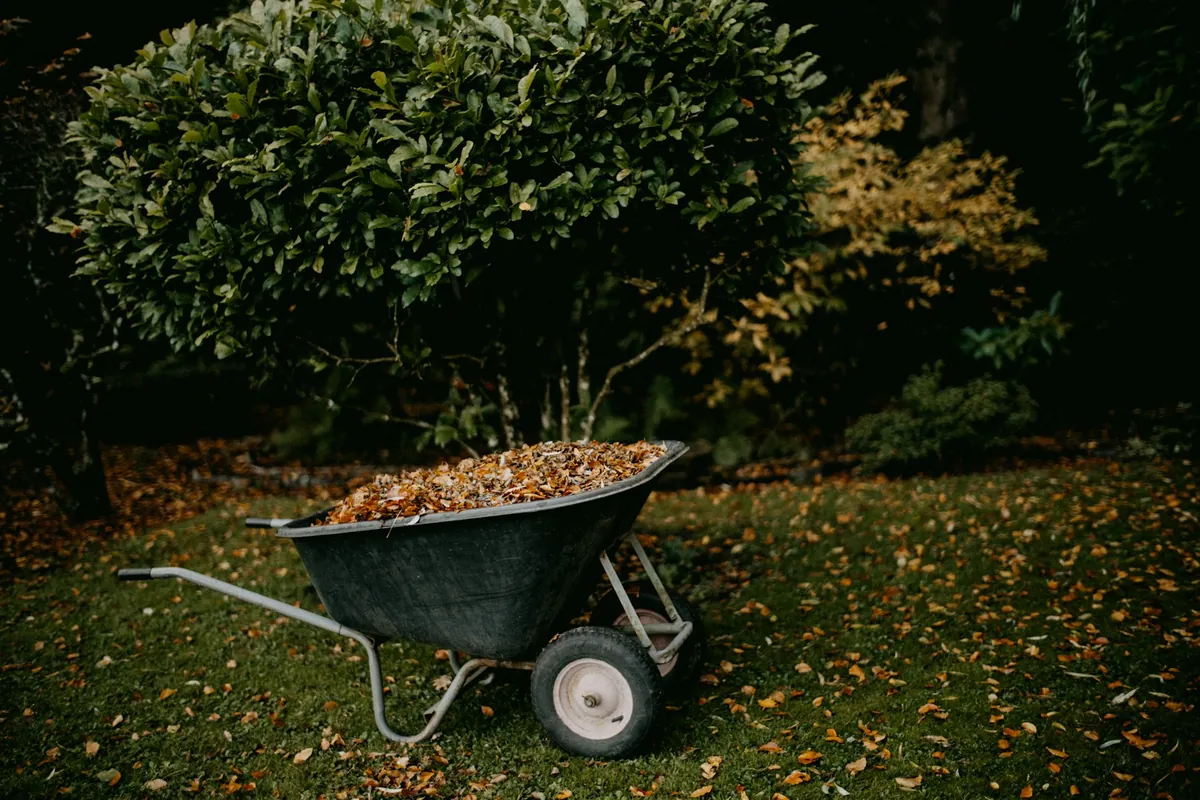 ✅ ChecklistFall compost bin reset: empty the finished compost, then rebuild with leavesPull out the finished compost, spread it on your beds, then rebuild the bin 3 ft each way with fall leaves and greens, damp as a wrung-out sponge.Read the guide
 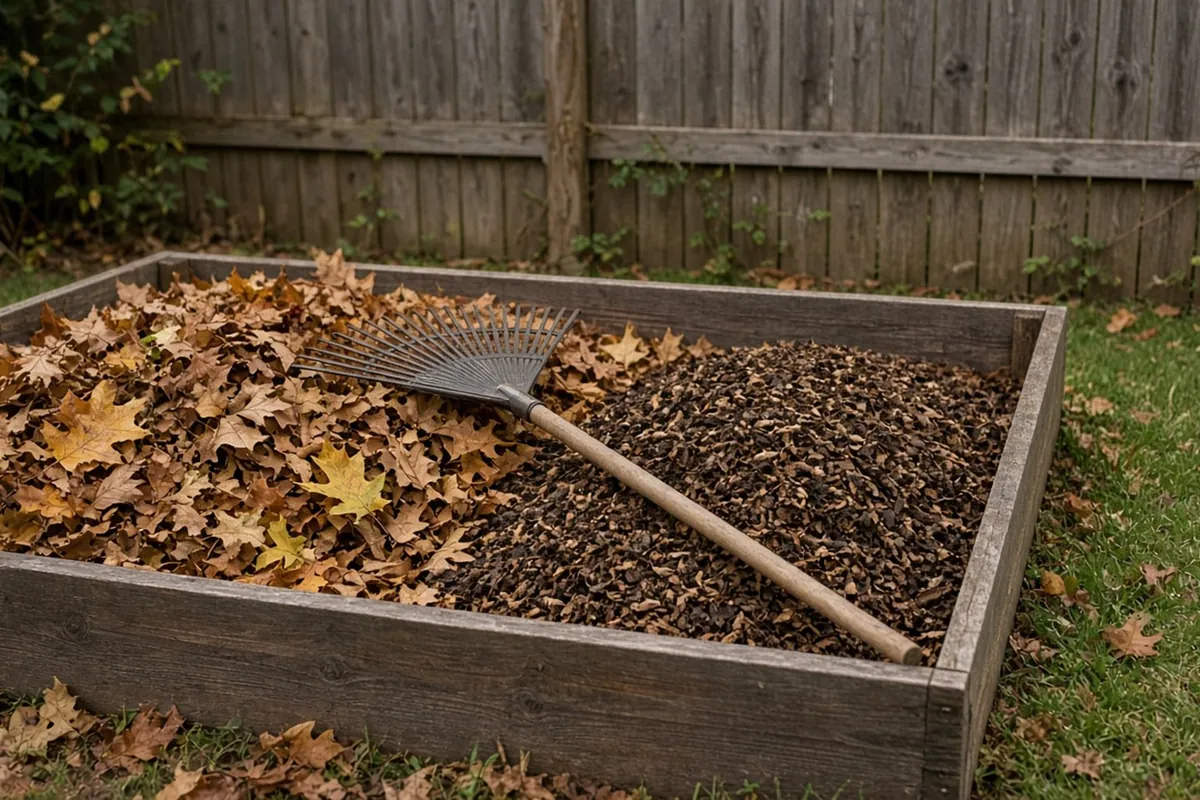 🧰 Problem solverWhat to do with fall leaves in the garden: shred them into mulchShred the leaves, then spread 2 to 3 inches on beds and 3 to 4 around shrubs. How to shred without a shredder, and how many bags a bed takes.Read the guide
 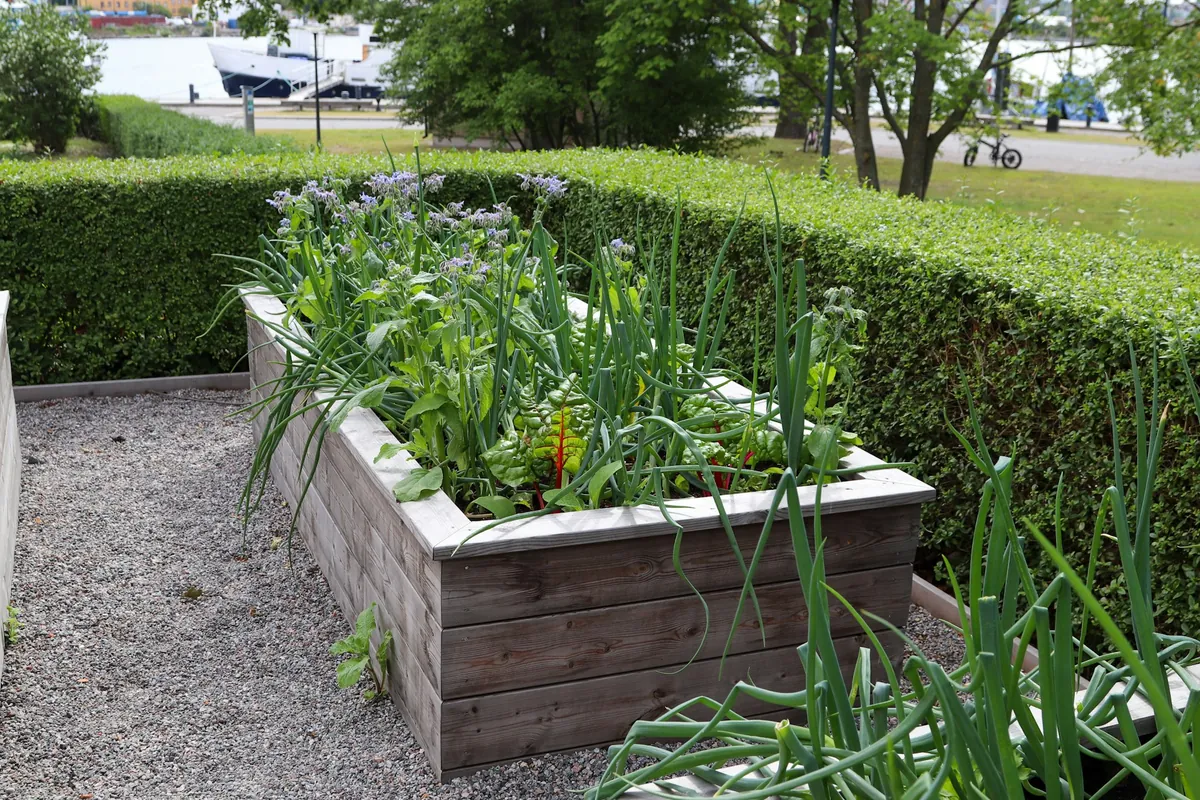 🧰 Problem solverHow to fill a tall raised bed without buying 2 yards of soilA 4 x 8 bed 24 inches tall holds 64 cu ft. Put logs, branches and leaves in the lower half and you buy 32 cu ft of soil instead. What goes in, what stays out.Read the guide
Sources
- Gravel Pathways in the Garden, UC Master Gardener Program of Contra Costa County, UC Agriculture and Natural Resources, published August 4, 2011. Checked October 12, 2026.
- Sakrete All-Purpose Gravel product data sheet (Rev. 06/16), Sakrete (Oldcastle APG). Checked October 6, 2026.
Planning guide, not a guarantee. See every source on the site on the sources page. Spotted an error? Tell us.