🪨 Soil and mulchFree toolPrintable record
Gravel and paver base calculator
Quick answer
Cubic feet of gravel = area in square feet × base depth in inches ÷ 12. Quikrete's paver sand data sheet calls for 2 to 4 inches of tamped gravel under pavers, with 1 to 2 inches of sand on top. A 10 x 12 ft patio on a 4 inch base needs 40 cubic feet of gravel, or 1.48 cubic yards. That's 80 bags of the 0.5 cu ft size or 67 of the 60 lb size. A 1 inch sand bed adds 10 cubic feet, which is 17 bags of sand.
Source: Quikrete Patio Paver Sands data sheet, checked October 6, 2026; Sakrete All-Purpose Gravel data sheet, checked October 6, 2026; Sakrete Multi-Purpose Sand data sheet, checked October 6, 2026.

Gravel and paver base calculator
Change any number and the answer updates as you type.
Gravel base needed 40 cu ft (1.48 cu yd, 1133 liters)
| Buying by | How many |
|---|---|
| Gravel, 0.5 cu ft bag | 80 bags |
| Gravel, 60 lb bag (about 0.6 cu ft) | 67 bags |
| Bulk, by the cubic yard | 1.48 cu yd |
Sand bed: 1 in is 10 cu ft (283 liters), or 17 bags of 0.6 cu ft.
Dig about 7 in down: 4 in gravel + 1 in sand + 2 in paver.
- Area to cover
- 120 sq ft (11.1 m²)
- Depth
- 4 in (10.2 cm)
No garden math needed
How to use this, in plain words
Mark the patio or path with string and stakes, then measure the length and width in feet inside the string.
Pick the gravel depth. Quikrete's paver sand sheet calls for 2 to 4 inches of tamped gravel, with 1 to 2 inches of sand on top.
Measure one of your pavers top to bottom and type its thickness in. The tool adds gravel, sand and paver to give the digging depth.
Read the bag counts for 0.5 cu ft and 60 lb gravel bags and 60 lb sand bags, or type your own bag's cubic feet.
Source: Quikrete Patio Paver Sands data sheet, checked October 6, 2026; Sakrete All-Purpose Gravel data sheet, checked October 6, 2026; Sakrete Multi-Purpose Sand data sheet, checked October 6, 2026.
What the store won't tell you
Before you start
- Some data sheets list bags by weight only. Sakrete lists its 60 lb gravel bag at about 0.6 cu ft; if your bag shows only pounds, look for a yield line.
- Bags add up fast in weight. The 67 bags of 60 lb gravel for a 10 x 12 ft patio weigh about 4,020 lb, so plan the trips or price a bulk load.
- Dig to the total depth, not just the gravel. Quikrete's sheet says to dig 4 to 7 inches below the finished height.
- This page is for patios, walks and paths. Anything a car drives on needs a different base and isn't covered here.
Source: Sakrete All-Purpose Gravel data sheet, checked October 6, 2026; Quikrete Patio Paver Sands data sheet, checked October 6, 2026.
Go deeper: Bags or bulk: when a cubic yard delivery is cheaper · Gravel priced by the ton: how many cubic yards you're getting · How deep to dig for a paver patio: paver, sand and gravel added up · A plain gravel garden path: how deep, how much edging, how many bags
The formula, in words
How it works
- Area: length × width in feet. For a round patio: π × radius × radius.
- Gravel: area × base depth in inches ÷ 12, times the number of areas. Cubic yards: cubic feet ÷ 27.
- Gravel bags: cubic feet ÷ bag size, rounded up. The table shows the 0.5 cu ft bag and the 60 lb bag, which Sakrete lists at about 0.6 cu ft, and you can add your own size.
- Sand: area × sand depth in inches ÷ 12, then ÷ 0.6 cu ft for a 60 lb bag, rounded up.
- Digging depth: gravel base + sand bed + paver thickness. With 4 inches of gravel, 1 inch of sand and a 2 inch paver, you dig 7 inches down.
Source: Sakrete All-Purpose Gravel data sheet, checked October 6, 2026; Sakrete Multi-Purpose Sand data sheet, checked October 6, 2026.
Printable sheet
What to record
Write down what went under the pavers. If a corner sinks later, you'll know how deep the base was and where the bags came from. The printable gravel and paver base record has one row per patio, walk or path:
- Patio, walk or path
- Square feet
- Gravel base depth
- Gravel bags or yards bought
- Sand bed depth and bags
- Paver thickness and depth dug
- Date laid
Checked by hand
Worked example
A 10 x 12 ft paver patio on a 4 inch gravel base with a 1 inch sand bed. The pavers you picked measure 2 inches thick.
- Area: 12 × 10 = 120 sq ft.
- Depth: 4 in ÷ 12 = 0.333 ft. Volume: 120 × 0.333 = 40 cu ft.
- Cubic yards: 40 ÷ 27 = 1.48 cu yd.
- Sand bed: 120 × 1 ÷ 12 = 10 cu ft; 10 ÷ 0.6 = 16.67, so 17 bags of sand.
- Digging depth: 4 + 1 + 2 = 7 in.
- Bags: 40 ÷ 0.5 = 80, so 80 bags of gravel at 0.5 cu ft; 40 ÷ 0.6 = 66.67, so 67 bags of gravel at 0.6 cu ft.
Why it may not match the bag or the store
If the answer surprises you
❓
The base came out thinner than planned
Tamping packs the stones closer, so a loose layer ends up thinner. None of the sources used here gives a figure for how much, so the tool adds nothing. Enter a slightly deeper base if you want a margin.
❓
A supplier quotes tons, not yards
Bulk gravel is often sold by weight. Ask the yard how many tons make a cubic yard of the stone you're buying; it varies by stone, and no source here gives one figure.
❓
Two bag sizes, two counts
The same 40 cubic feet is 80 bags of 0.5 cu ft or 67 bags of the 60 lb size. Both are right; they're different bags.
Source: Sakrete All-Purpose Gravel data sheet, checked October 6, 2026.
Other cases
Variants
🟫
A gravel path with no pavers
Leave the sand and paver fields blank and enter the gravel depth. Sakrete suggests a 2 to 4 inch base for walks. A 3 x 30 ft path at 3 inches takes 22.5 cubic feet, which is 45 bags of 0.5 cu ft or 0.83 cubic yards.
Source: Sakrete All-Purpose Gravel data sheet, checked October 6, 2026.
⭕
How deep to dig
Quikrete says to dig 4 to 7 inches below the finished height. That range is the gravel, the sand and the paver added together, so measure one of your pavers and type its thickness into the form. The tool adds up the three layers for you.
Source: Quikrete Patio Paver Sands data sheet, checked October 6, 2026.
🔁
Bags or a bulk load
The 67 bags of 60 lb gravel for the example patio weigh about 4,020 lb in total. Past a cubic yard or so, ask a landscape yard for a bulk price per yard and compare it with the bag total.
Source: Sakrete All-Purpose Gravel data sheet, checked October 6, 2026.
📏
Tamping the base
The Quikrete sheet says to tamp the gravel once it's spread. Tamping packs the stones closer together, so a loose layer ends up thinner. None of the sources used here puts a number on how much thinner, so the tool adds nothing for it. If you want a margin, enter a slightly deeper base or buy a few extra bags.
Source: Quikrete Patio Paver Sands data sheet, checked October 6, 2026.
Where each figure comes from
Numbers this tool uses
- 2 to 4 in, tampedGravel base under pavers (Quikrete data sheet)Quikrete Patio Paver Sands data sheet, October 6, 2026
- 1 to 2 inSand bed over the base (Quikrete data sheet)Quikrete Patio Paver Sands data sheet, October 6, 2026
- 4 to 7 in below finished heightTotal digging depth (Quikrete data sheet)Quikrete Patio Paver Sands data sheet, October 6, 2026
- 2 to 4 inDrainage base for walks and slabs (Sakrete data sheet)Sakrete All-Purpose Gravel data sheet, October 6, 2026
- 0.5 cu ft; 60 lb is about 0.6 cu ftGravel bags (Sakrete data sheet)Sakrete All-Purpose Gravel data sheet, October 6, 2026
- 60 lb is about 0.6 cu ftSand bag (Sakrete data sheet)Sakrete Multi-Purpose Sand data sheet, October 6, 2026
Limitations
- Planning estimate, not a guarantee; check the cubic feet or weight printed on your bag before you buy.
- Nothing is added for tamping or waste. The result is the volume of each layer at the depth you enter.
- The depths come from two makers' data sheets and are for patios, walks and paths. This page doesn't cover driveways or anything a vehicle drives on.
What people learn the second year
Tips and tricks
- Mark the finished height first. Run a string line at the height the pavers will finish. Quikrete's 4 to 7 inch dig is measured down from that line, not from the grass. (Quikrete Patio Paver Sands data sheet)
- Spread and tamp in layers. Quikrete says to tamp the gravel once it's spread. Two thinner passes are easier to keep level than one deep pile. (Quikrete Patio Paver Sands data sheet)
- Weigh the trip before you load. At about 60 lb a bag, ten bags are 600 lb. Check what your car or trailer is rated to carry, then plan the number of trips. (Sakrete All-Purpose Gravel data sheet)
- Measure a paver, not the label. Type the thickness you measure on one of your pavers. The dig depth is gravel, sand and paver added together, so a wrong paver number throws off the whole hole.
- Keep two bags back. Tamping makes the layer thinner, and no source here says by how much. A couple of spare bags fill the low spots before the sand goes down. (Quikrete Patio Paver Sands data sheet)
Read before the store run
Guides that go deeper
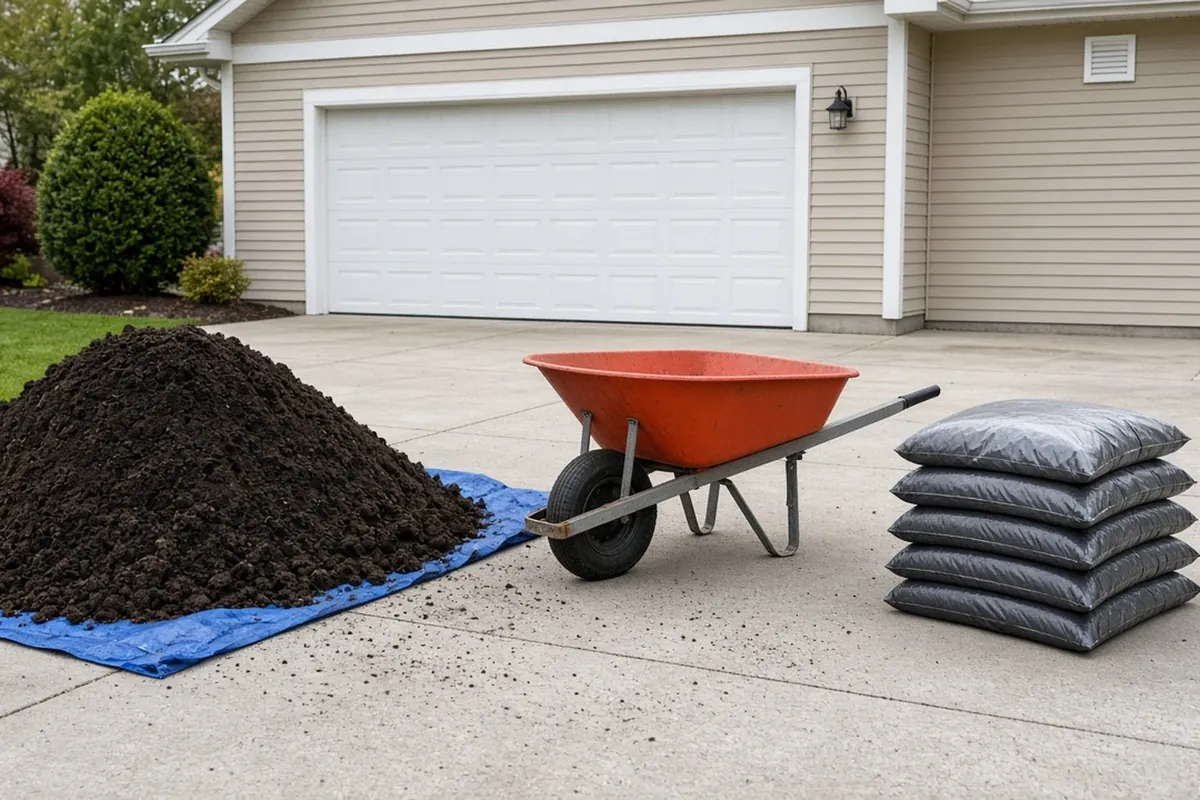 🧰 Problem solverBags or bulk: when a cubic yard delivery is cheaperHow to compare bagged soil, mulch or compost with a bulk cubic yard: price per cubic foot, the delivery fee, and the bag count where bulk wins.Read the guide
 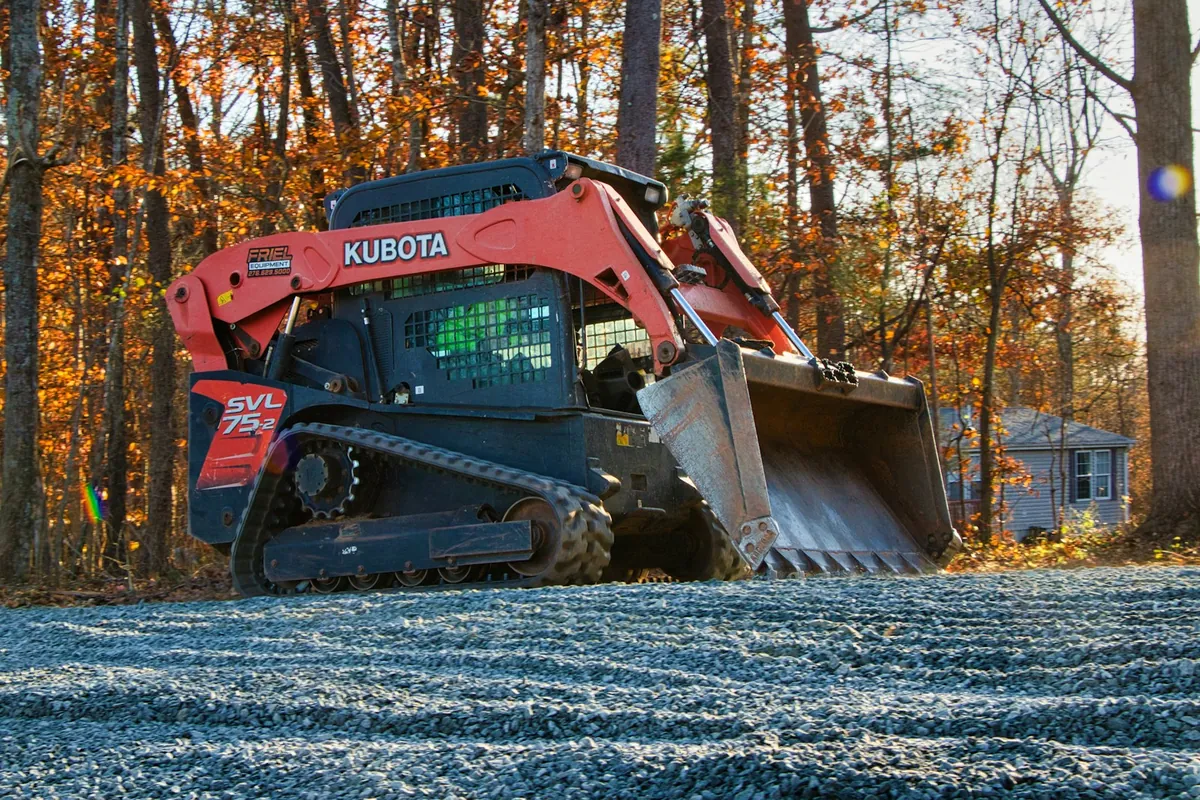 🧰 Problem solverGravel priced by the ton: how many cubic yards you're gettingThe calculator says cubic yards, the stone yard quotes tons. How to convert with the weight per yard of the exact material, and what to ask before you order.Read the guide
 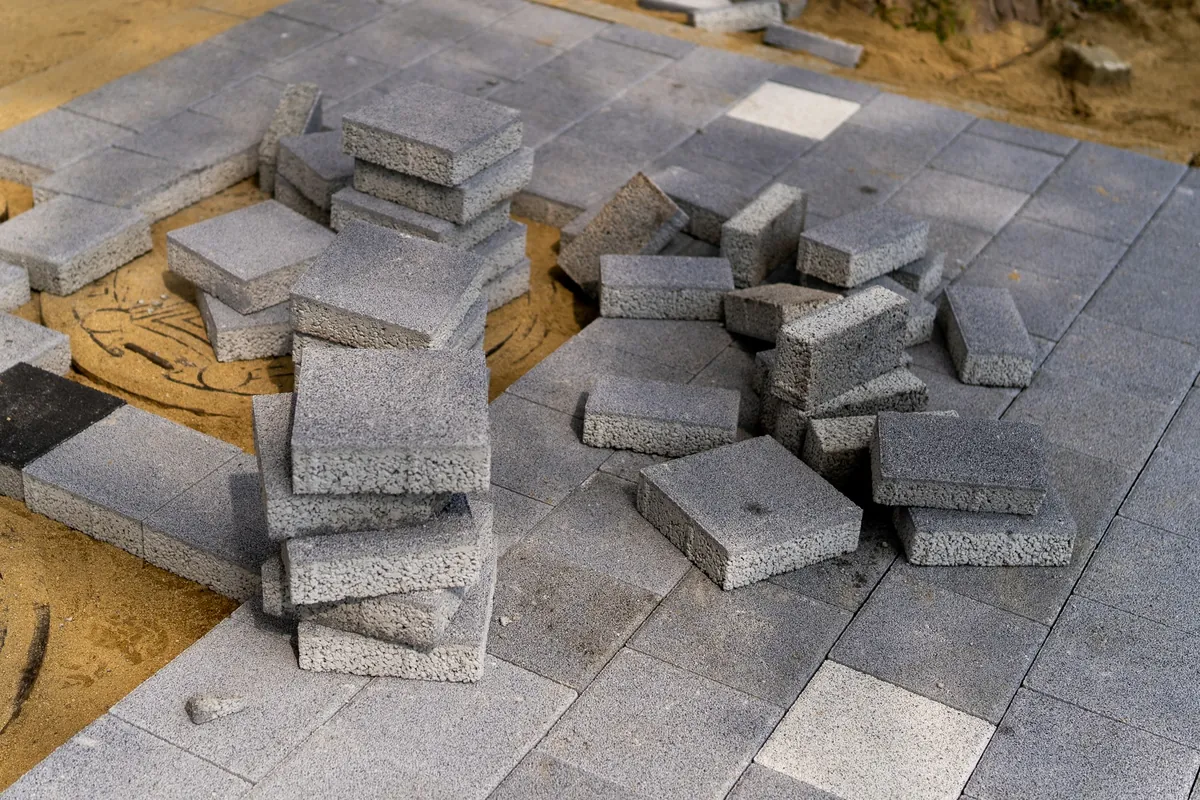 📘 Know-howHow deep to dig for a paver patio: paver, sand and gravel added upDig depth for a paver patio is the paver, the sand bed and the gravel base added up. Worked for a 10 x 12 patio with two makers' figures and the slope.Read the guide
 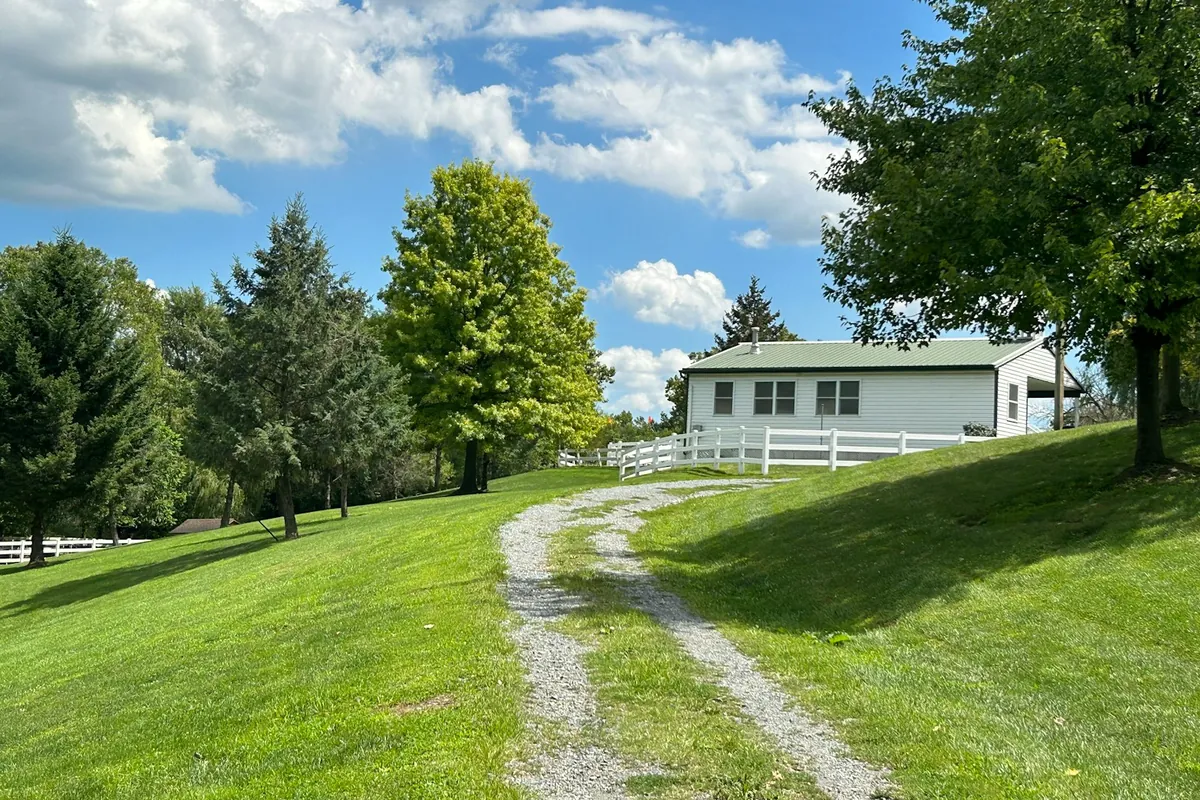 📘 Know-howA plain gravel garden path: how deep, how much edging, how many bagsA gravel path needs no sand or pavers. Here is the depth, the edging length and the bag or ton count, worked for a 3 x 30 ft path.Read the guide
Common questions
Questions
How many bags of gravel for a 10 x 10 patio?
On a 4 inch base, a 10 x 10 ft patio takes 33.33 cubic feet of gravel. That's 67 bags of 0.5 cu ft or 56 bags of the 60 lb size, which is about 0.6 cu ft.
Source: Sakrete All-Purpose Gravel data sheet, checked October 6, 2026.
How deep should a paver base be?
Quikrete's data sheet gives 2 to 4 inches of tamped gravel with 1 to 2 inches of sand on top, and a total dig of 4 to 7 inches including the paver. Sakrete suggests the same 2 to 4 inch gravel base for walks and slabs.
Source: Quikrete Patio Paver Sands data sheet, checked October 6, 2026; Sakrete All-Purpose Gravel data sheet, checked October 6, 2026.
How many square feet does a cubic yard of gravel cover?
A cubic yard is 27 cubic feet. At 4 inches it covers 27 ÷ (4 ÷ 12) = 81 sq ft. At 3 inches it covers 108 sq ft, and at 2 inches, 162 sq ft.
How much sand goes under pavers?
The Quikrete sheet gives a 1 to 2 inch sand bed over the tamped gravel. At 1 inch, 100 sq ft takes 8.33 cubic feet, or 14 bags of 60 lb sand at about 0.6 cu ft each.
Source: Quikrete Patio Paver Sands data sheet, checked October 6, 2026; Sakrete Multi-Purpose Sand data sheet, checked October 6, 2026.
More for the same garden
Related tools
- 🪴 CalculatorRaised bed soil calculatorHow much soil fills a raised bed: cubic feet, cubic yards and a bag count for 1.5 or 2 cu ft bags, from the bed's length, width and depth.Open the tool
- 🍂 CalculatorMulch calculatorHow much mulch a bed takes in cubic feet, cubic yards and 1.5 or 2 cu ft bags, at the depth you pick, with the 2 to 3 inch band worked out too.Open the tool
- 🪱 CalculatorCompost and topsoil calculatorHow much compost or topsoil to buy for a garden bed or lawn: cubic feet, cubic yards and bag counts, plus the mix you get when you dig it in.Open the tool
- 🪚 CalculatorRaised bed lumber calculatorHow many boards to buy for a wooden raised bed, and where to cut them: side lengths, a board-by-board cut plan, corner posts and the soil it will hold.Open the tool
- 🧺 SectionAll soil and mulch toolsRaised-bed soil, mulch, compost and topsoil calculators that give cubic feet, cubic yards and bag counts, using bag sizes printed by the makers.See the section
Sources
- QUIKRETE Patio Paver Sands: Base Sand No. 1150-49, Jointing Sand No. 1150-59 (data sheet), The Quikrete Companies. Checked October 6, 2026.
- Sakrete All-Purpose Gravel product data sheet (Rev. 06/16), Sakrete (Oldcastle APG). Checked October 6, 2026.
- Sakrete Multi-Purpose Sand product data sheet (Rev. 11/18), Sakrete (Oldcastle APG). Checked October 6, 2026.
See every source on the site on the sources page. Spotted an error? Tell us.