📘 Know-howSoil and mulch4 min read
Square feet vs cubic feet: how to turn a garden bed into a bag count
Quick answer
They are not the same. Square feet measures the bed's footprint (length x width). Cubic feet adds the depth: square feet x depth in inches / 12. A 4 x 8 ft bed is 32 square feet; filled 12 inches deep it holds 32 cubic feet, or 16 bags of 2 cu ft. Divide cubic feet by 27 for cubic yards, as Iowa State Extension does.
Source: Iowa State Extension, how to determine the amount of mulch for a bed, checked October 10, 2026.

The three units
Area, volume and the yard
A square foot is flat: one foot by one foot, with no depth. A cubic foot is a box 12 inches each way. Soil, mulch and compost are sold by the cubic foot in bags and by the cubic yard in bulk. One cubic yard is 27 cubic feet, a box 3 feet on every side.
Source: Iowa State Extension, how to determine the amount of mulch for a bed, checked October 10, 2026.
So a bag label that says 2 cu ft holds the same amount whether you spread it thin or pile it deep. What changes is how much ground it covers. Spread 1 inch deep, it covers 24 square feet; poured 12 inches deep into a bed, it covers 2.
Step by step
From bed size to bag count
Find the area
Multiply length by width in feet. A 4 x 8 ft bed is 32 square feet. Measure inside the boards for a raised bed.
Turn the depth into feet
Divide the depth in inches by 12. Iowa State's example uses 1.5 inches, which is 0.125 ft; 12 inches is 1 ft and 6 inches is 0.5 ft.
Source: Iowa State Extension, how to determine the amount of mulch for a bed, checked October 10, 2026.
Multiply
Area x depth in feet = cubic feet. The 4 x 8 bed at 12 inches is 32 x 1 = 32 cubic feet.
Divide by the bag
Divide cubic feet by the size printed on the bag, then round up. 32 / 2 = 16 bags of 2 cu ft; 32 / 1.5 = 21.3, so 22 bags of 1.5 cu ft.
Or divide by 27 for bulk
Bulk soil and mulch are sold by the cubic yard. 32 / 27 = 1.19 cubic yards.
Source: Iowa State Extension, how to determine the amount of mulch for a bed, checked October 10, 2026.
Inches to feet
The depth table to keep on hand
| Depth | In feet | Cu ft per 100 sq ft | Sq ft one 2 cu ft bag covers |
|---|---|---|---|
| 1 in | 0.083 | 8.33 | 24 |
| 2 in | 0.167 | 16.67 | 12 |
| 3 in | 0.25 | 25 | 8 |
| 6 in | 0.5 | 50 | 4 |
| 11 in | 0.917 | 91.67 | 2.18 |
| 12 in | 1 | 100 | 2 |
Depth in feet = inches / 12. Cubic feet = square feet x depth in feet. Rounded to two or three places.
- 27cubic feet in one cubic yardIowa State Extension, how to determine the amount of mulch for a bed, October 10, 2026
- 32 cu ftin a 4 x 8 bed filled 12 in deepArithmetic
- 16 bagsof 2 cu ft for that bedArithmetic
- 12 sq ftcovered by one 2 cu ft bag at 2 inArithmetic
Where it goes wrong
The three common slips
Bags are commonly 1.5, 2 or 3 cubic feet. Two bags that cost the same are not the same deal if one holds 1.5 and the other 2, so compare the price per cubic foot.
Source: Scotts Nature Scapes mulch product page, checked October 6, 2026; Iowa State Extension, how to determine the amount of mulch for a bed, checked October 10, 2026.
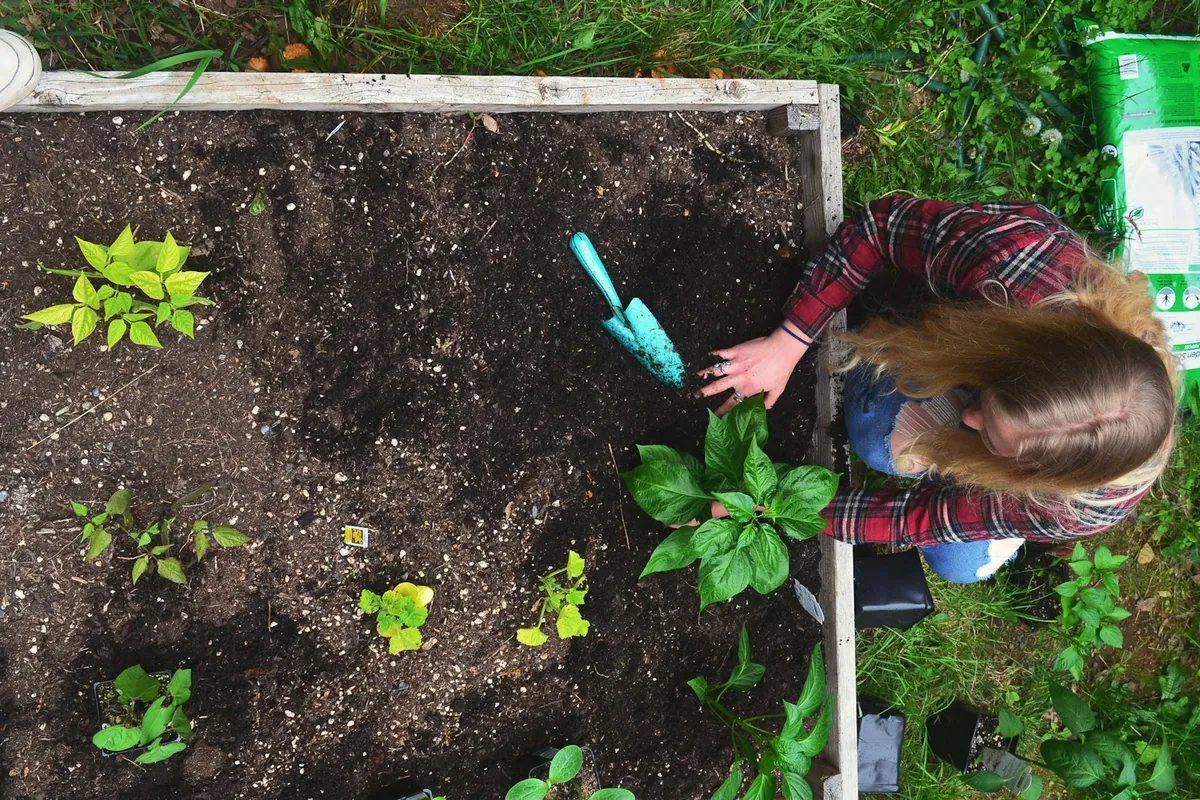
Print it, tick it off
Square feet to bags, on one card
Fill these in for each bed before you shop.
- Length and width in feet, measured inside
- Area in square feet (length x width)
- Depth in inches, then divided by 12
- Cubic feet (area x depth in feet)
- Bag size from the label, in cubic feet
- Bags (cubic feet / bag size, rounded up)
- Cubic yards for bulk (cubic feet / 27)
What people learn the second year
Tips and tricks
- Write the depth in feet first. Most mistakes happen when inches and feet get mixed. Turn the depth into feet before you multiply anything.
- Work it per bed. Beds of different sizes or depths each get their own line. Add the cubic feet at the end, then work out the bags once.
- Compare per cubic foot. Divide the bag price by its cubic feet. A bigger bag that costs a little more can still be cheaper per cubic foot.
- Know when bulk wins. A cubic yard is 27 cubic feet, or 13.5 bags of 2 cu ft. Once your count gets near that, price a delivery too. (Iowa State Extension, how to determine the amount of mulch for a bed)
Common questions
Questions
Is square feet the same as cubic feet?
No. Square feet is area: length x width. Cubic feet is volume: area x depth in feet. A 32 square foot bed holds 32 cubic feet only when it's filled exactly 12 inches deep.
How do I convert square feet to cubic feet for soil?
Multiply the square feet by the depth in inches, then divide by 12. 32 square feet at 6 inches is 32 x 6 / 12 = 16 cubic feet.
How many cubic feet are in a cubic yard?
27. Iowa State Extension divides by 27 to turn cubic feet into cubic yards for bulk mulch.
Source: Iowa State Extension, how to determine the amount of mulch for a bed, checked October 10, 2026.
How many square feet does a 2 cubic foot bag cover?
It depends on the depth: 24 square feet at 1 inch, 12 at 2 inches, 8 at 3 inches and 2 at 12 inches.
How many bags of soil for a 4 x 8 raised bed?
At 12 inches deep, 32 cubic feet: 16 bags of 2 cu ft or 22 of 1.5 cu ft. At 11 inches (two 2x6 boards), 29.33 cubic feet: 15 bags of 2 cu ft.
The arithmetic, done for you
Tools for this job
- 🪴 CalculatorRaised bed soil calculatorHow much soil fills a raised bed: cubic feet, cubic yards and a bag count for 1.5 or 2 cu ft bags, from the bed's length, width and depth.Open the tool
- 🍂 CalculatorMulch calculatorHow much mulch a bed takes in cubic feet, cubic yards and 1.5 or 2 cu ft bags, at the depth you pick, with the 2 to 3 inch band worked out too.Open the tool
- 🪱 CalculatorCompost and topsoil calculatorHow much compost or topsoil to buy for a garden bed or lawn: cubic feet, cubic yards and bag counts, plus the mix you get when you dig it in.Open the tool
Keep reading
More guides
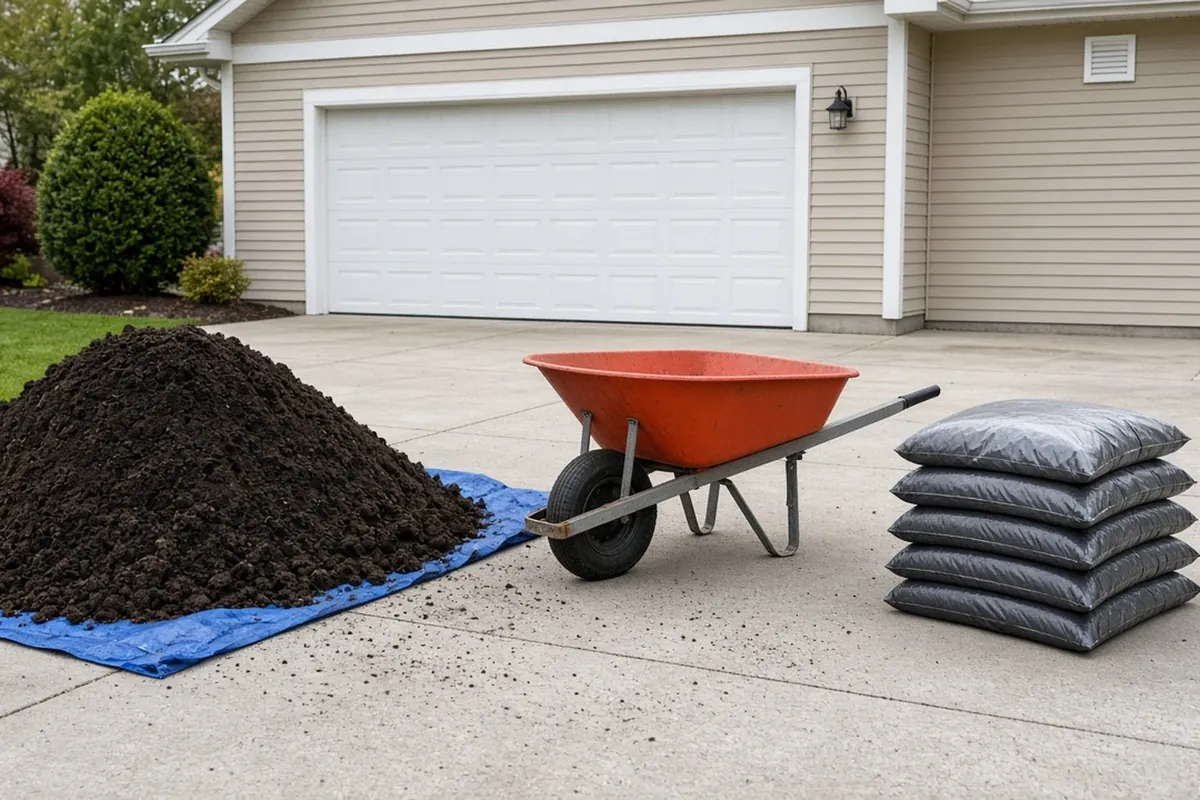 🧰 Problem solverBags or bulk: when a cubic yard delivery is cheaperHow to compare bagged soil, mulch or compost with a bulk cubic yard: price per cubic foot, the delivery fee, and the bag count where bulk wins.Read the guide
 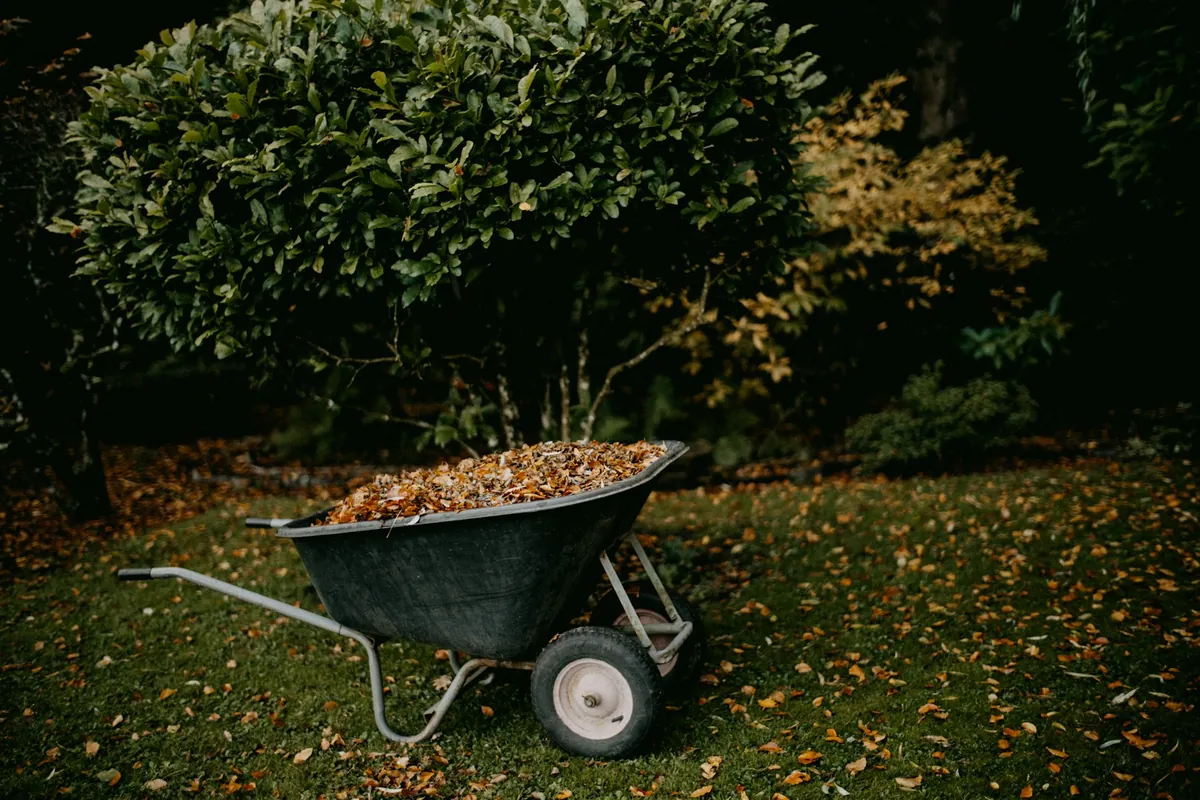 ✅ ChecklistFall compost bin reset: empty the finished compost, then rebuild with leavesPull out the finished compost, spread it on your beds, then rebuild the bin 3 ft each way with fall leaves and greens, damp as a wrung-out sponge.Read the guide
 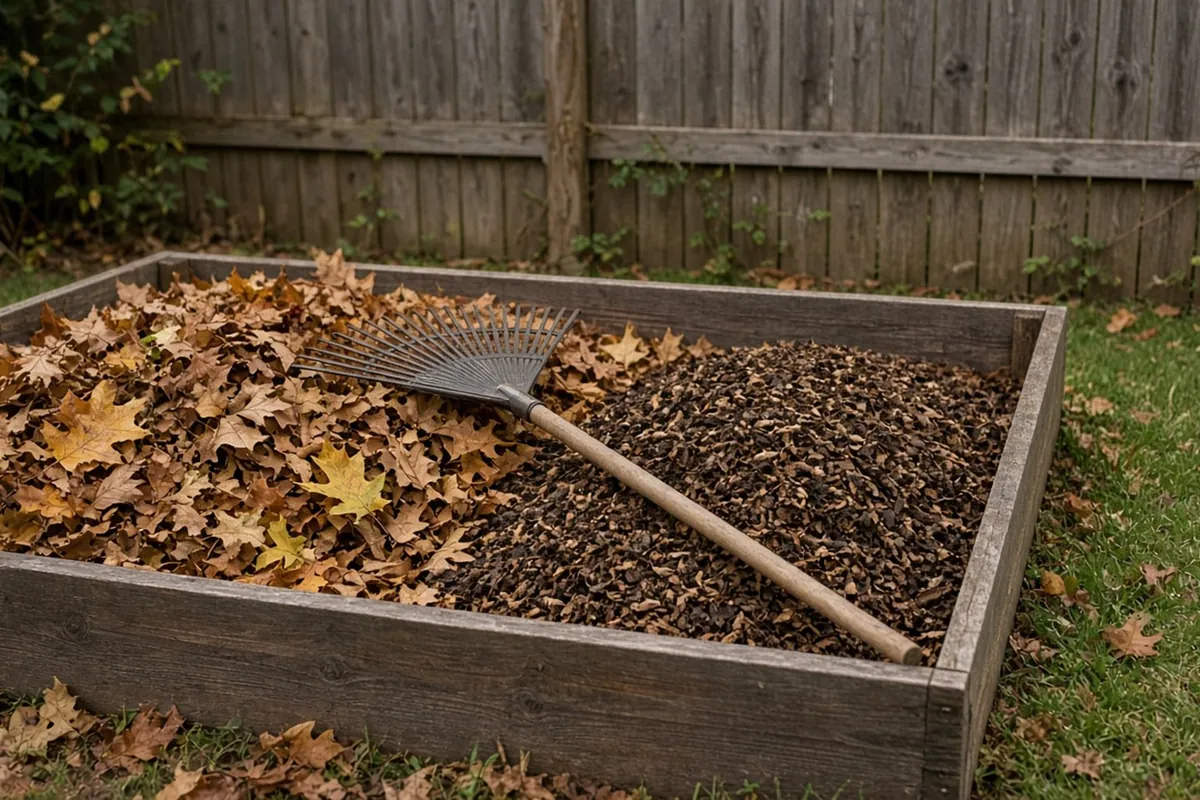 🧰 Problem solverWhat to do with fall leaves in the garden: shred them into mulchShred the leaves, then spread 2 to 3 inches on beds and 3 to 4 around shrubs. How to shred without a shredder, and how many bags a bed takes.Read the guide
 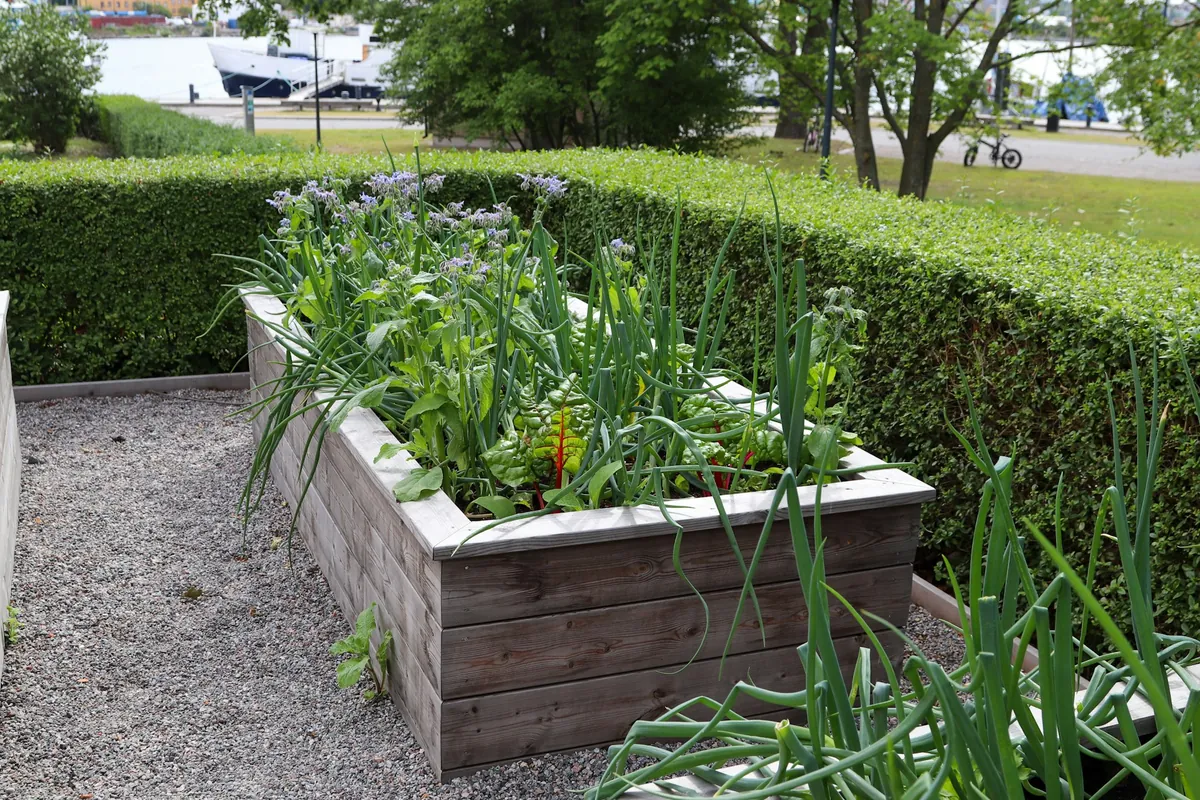 🧰 Problem solverHow to fill a tall raised bed without buying 2 yards of soilA 4 x 8 bed 24 inches tall holds 64 cu ft. Put logs, branches and leaves in the lower half and you buy 32 cu ft of soil instead. What goes in, what stays out.Read the guide
Sources
- How to Determine the Amount of Mulch Needed for a Garden Bed, Iowa State University Extension and Outreach, published July 1, 2026. Checked October 10, 2026.
- Scotts Nature Scapes Color Enhanced Mulch 2 cu. ft., ScottsMiracle-Gro. Checked October 6, 2026.
Planning guide, not a guarantee. See every source on the site on the sources page. Spotted an error? Tell us.