🧰 Problem solverSoil and mulch4 min read
Turning a patch of lawn into a garden bed this fall
Quick answer
Mow the patch, cover it with 3 to 4 sheets of soaked newspaper overlapped 3 to 4 inches, then stack green and brown layers no more than 3 inches each and end with brown. Oregon State Extension says a bed finished in fall is ready for spring planting and will likely sink by half in the first year. A 4 x 10 ft bed built 12 inches deep takes 40 cu ft of leaves and clippings.
Source: OSU Extension EM 9480, sheet mulch, checked October 11, 2026.

The problem
Digging out sod is the hard part
You want a new bed where the grass is now. Cutting and lifting sod by hand is slow, heavy work, and the strip you lift takes some soil with it. Fall gives you another way: build the bed on top of the grass and leave it to break down over winter.
Oregon State Extension calls this sheet mulch. Paper blocks the light, layers of yard waste go on top, and the pile breaks down in place. Its guide says a sheet mulch finished in fall will be ready for spring planting. Fall is also when leaves are free and plentiful.
Source: OSU Extension EM 9480, sheet mulch, checked October 11, 2026.
- 3 to 4sheets of newspaper, overlapped 3 to 4 inOSU Extension EM 9480, sheet mulch, October 11, 2026
- 3 inor less per green or brown layerOSU Extension EM 9480, sheet mulch, October 11, 2026
- Halfof the height gone in the first yearOSU Extension EM 9480, sheet mulch, October 11, 2026
- 40 cu ftof layers for a 4 x 10 bed, 12 in deepArithmetic
One fall afternoon
How to build it, step by step
Mark and mow
Mark the bed with stakes and string, then mow the grass as short as the mower goes. Write down the length and width in feet.
Lay soaked paper
Cover the whole patch with 3 to 4 sheets of black-and-white newspaper, edges overlapped 3 to 4 inches so no light gets through. Oregon State says the paper or cardboard must be soaked in water.
Source: OSU Extension EM 9480, sheet mulch, checked October 11, 2026.
Add a green layer
Spread fresh grass clippings or green garden trimmings, 3 inches deep or less, and water it.
Source: OSU Extension EM 9480, sheet mulch, checked October 11, 2026.
Add a brown layer
Spread dry leaves about as thick as the green layer below. Keep alternating to the height you want.
Source: OSU Extension EM 9480, sheet mulch, checked October 11, 2026.
Finish brown and let it sit
Oregon State says to always end with a brown layer. Measure the height, write it and the date down, and leave the bed alone until spring.
Source: OSU Extension EM 9480, sheet mulch, checked October 11, 2026.
Before you rake up the leaves
How much material a new bed takes
Use the same sum as for soil: square feet times inches, divided by 12. A 4 x 10 ft bed is 40 sq ft. Built 12 inches deep, it takes 40 cu ft of layers, about 1.48 cubic yards of leaves and clippings. Leaves pack down, so gather more than you think.
| Start | Depth | Cu ft for 40 sq ft | What you buy |
|---|---|---|---|
| Sheet mulch in fall | 12 in of layers | 40 | Nothing if you have the leaves |
| Seed layer in spring | 1 to 2 in screened compost | 3.33 to 6.67 | 3 to 5 bags of 1.5 cu ft |
| Dig it in instead | 2 in compost, worked 6 to 8 in | 6.67 | 5 bags of 1.5 cu ft, plus lifting the sod |
Depths from Oregon State EM 9480 and Virginia Cooperative Extension SPES-304. Cubic feet = 40 x inches / 12.
Source: OSU Extension EM 9480, sheet mulch, checked October 11, 2026; Virginia Cooperative Extension, Using Compost in Your Landscape, checked October 6, 2026; Kellogg Garden compost product page, checked October 6, 2026.
Next spring
Planting into it
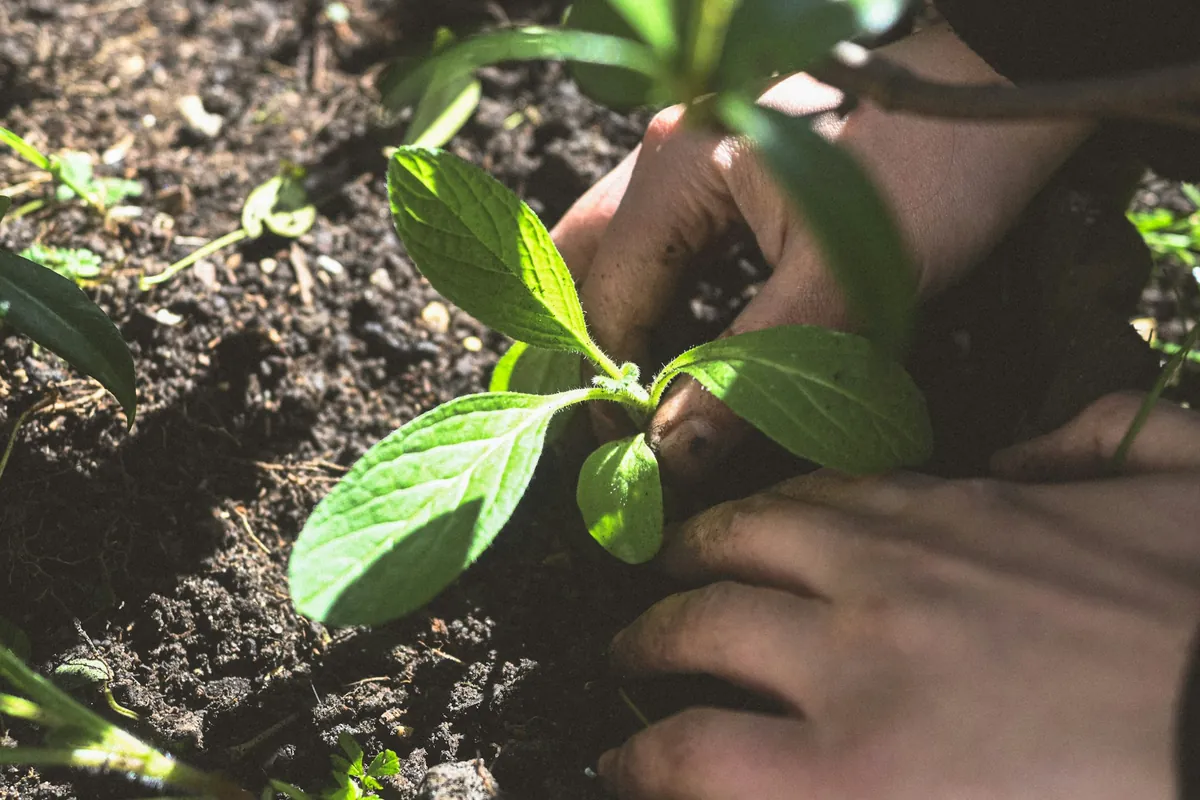
By spring the layers will have sunk. For seeds, Oregon State says to plant into a 1 to 2 inch layer of screened compost spread on top. For transplants, make a hole twice the size of the root ball and set the plant in it.
Source: OSU Extension EM 9480, sheet mulch, checked October 11, 2026.
Print it, tick it off
Fall lawn-to-bed checklist
Take this outside on build day.
- Bed marked with stakes and string, length and width in feet
- Grass mowed short
- Newspaper soaked, 3 to 4 sheets thick, edges overlapped 3 to 4 inches
- Green and brown layers, 3 inches or less each
- Top layer brown
- Gap of 2 to 3 inches left around any plant you're keeping
- Height and date written down
- Compost for the spring seed layer worked out
What people learn the second year
Tips and tricks
- Save the leaves from your own yard. Rake them onto a tarp next to the bed instead of bagging them for pickup. They make up the brown layers.
- Soak the paper in a wheelbarrow. Dunk a stack in a barrow of water, then lay it wet. Dry paper blows away and doesn't sit flat on the grass.
- Make the bed a size you can reach across. Keep it narrow enough to reach the middle from either side. Then you can plant and weed without stepping on it.
- Mark the edges for winter. Leave the stakes in. Once snow or leaves cover everything, they show where the bed ends and the mowing starts.
- Write down the height. Measure the bed the day you finish and again in spring. The difference tells you how much compost to add on top.
Common questions
Questions
Can I put a garden bed right on top of grass?
Yes. Oregon State's sheet-mulch method lays soaked newspaper over the area, then green and brown layers on top. Finish it in fall and it's ready for spring planting.
Source: OSU Extension EM 9480, sheet mulch, checked October 11, 2026.
How many layers of newspaper do I put over grass?
Oregon State says 3 to 4 sheets of black-and-white newspaper, with the edges overlapped 3 to 4 inches so no light gets through.
Source: OSU Extension EM 9480, sheet mulch, checked October 11, 2026.
How thick should each layer be?
3 inches or less each, per Oregon State, with the brown about as thick as the green. Always end with brown.
Source: OSU Extension EM 9480, sheet mulch, checked October 11, 2026.
How much will the bed sink?
About half its height over the first year, according to Oregon State. A 12 inch bed would be about 6 inches by next fall.
Source: OSU Extension EM 9480, sheet mulch, checked October 11, 2026.
How much material do I need for a 4 x 10 bed?
Built 12 inches deep, 40 sq ft x 12 / 12 = 40 cu ft of layers, about 1.48 cubic yards.
The arithmetic, done for you
Tools for this job
- 🪱 CalculatorCompost and topsoil calculatorHow much compost or topsoil to buy for a garden bed or lawn: cubic feet, cubic yards and bag counts, plus the mix you get when you dig it in.Open the tool
- 🍂 CalculatorMulch calculatorHow much mulch a bed takes in cubic feet, cubic yards and 1.5 or 2 cu ft bags, at the depth you pick, with the 2 to 3 inch band worked out too.Open the tool
Keep reading
More guides
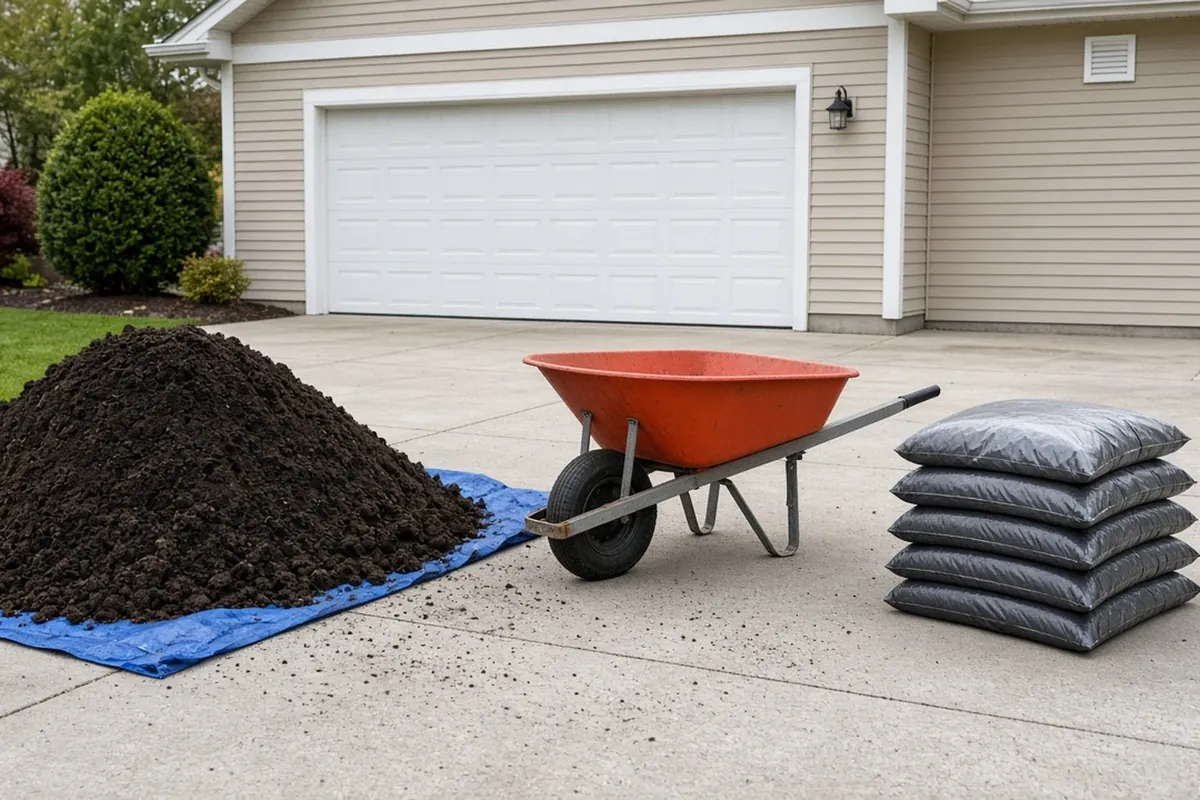 🧰 Problem solverBags or bulk: when a cubic yard delivery is cheaperHow to compare bagged soil, mulch or compost with a bulk cubic yard: price per cubic foot, the delivery fee, and the bag count where bulk wins.Read the guide
 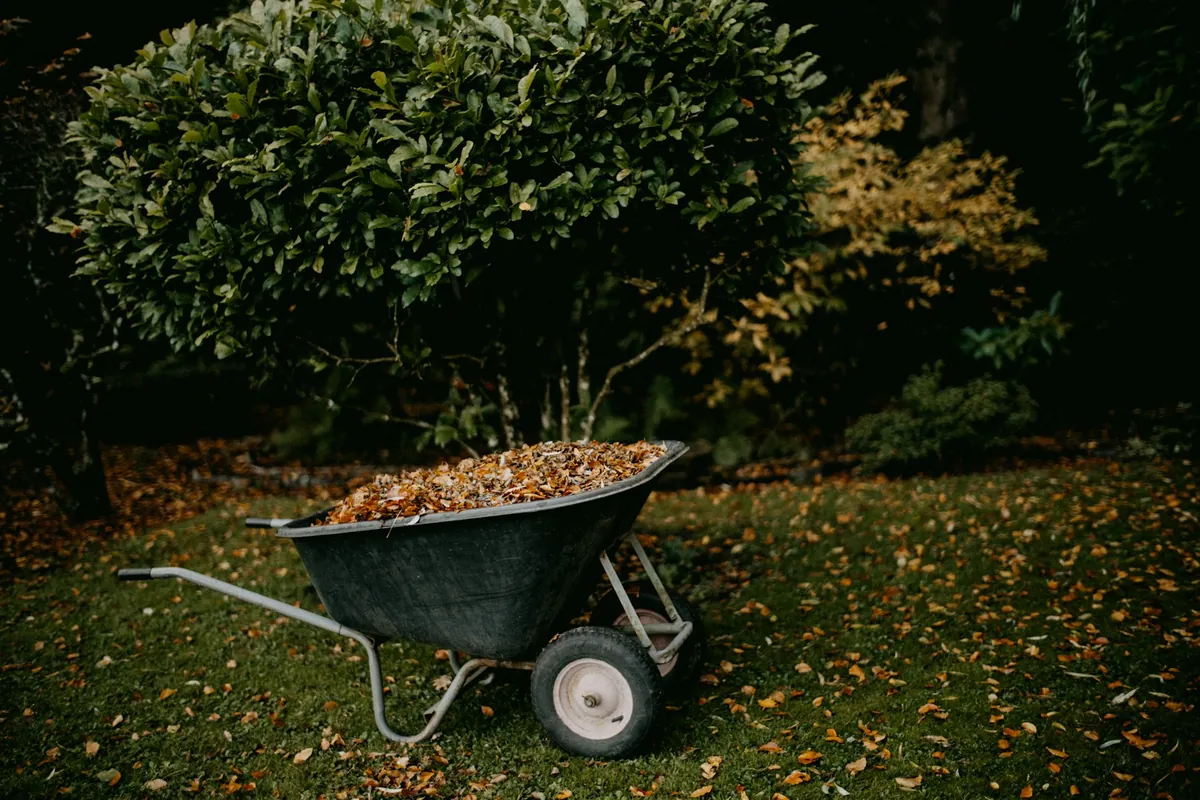 ✅ ChecklistFall compost bin reset: empty the finished compost, then rebuild with leavesPull out the finished compost, spread it on your beds, then rebuild the bin 3 ft each way with fall leaves and greens, damp as a wrung-out sponge.Read the guide
 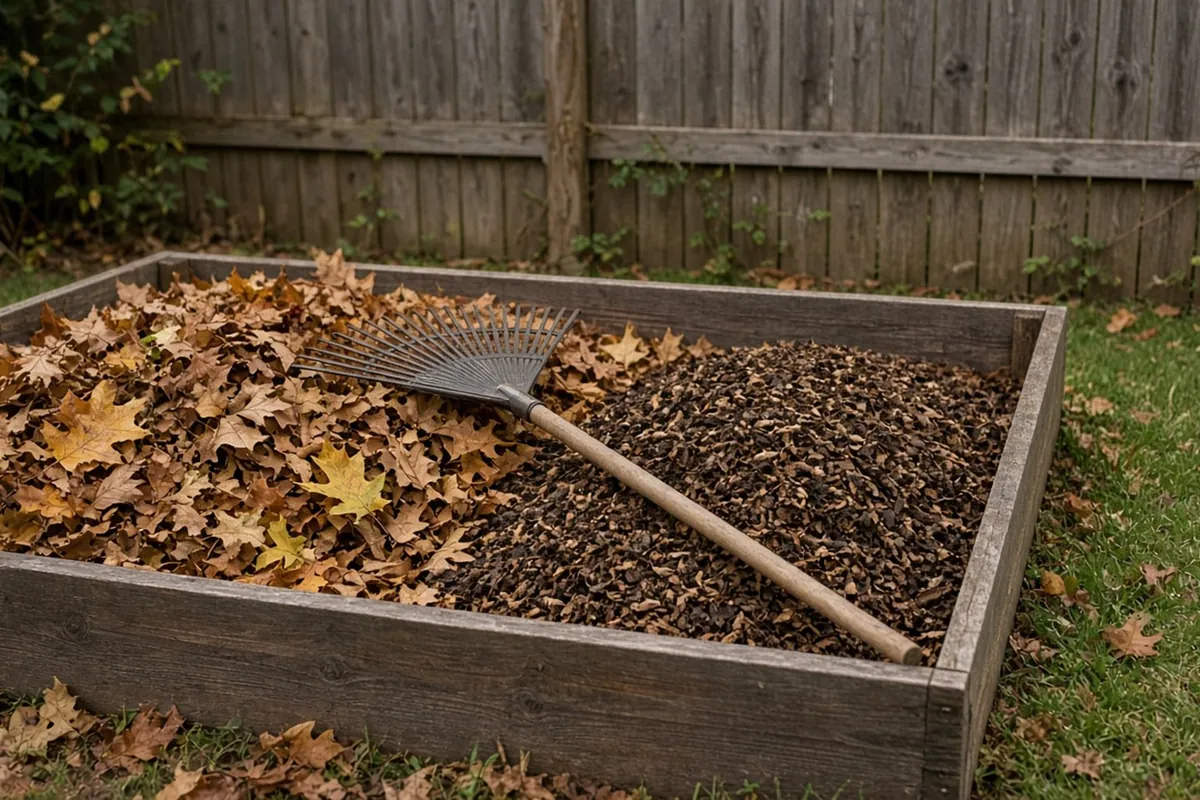 🧰 Problem solverWhat to do with fall leaves in the garden: shred them into mulchShred the leaves, then spread 2 to 3 inches on beds and 3 to 4 around shrubs. How to shred without a shredder, and how many bags a bed takes.Read the guide
 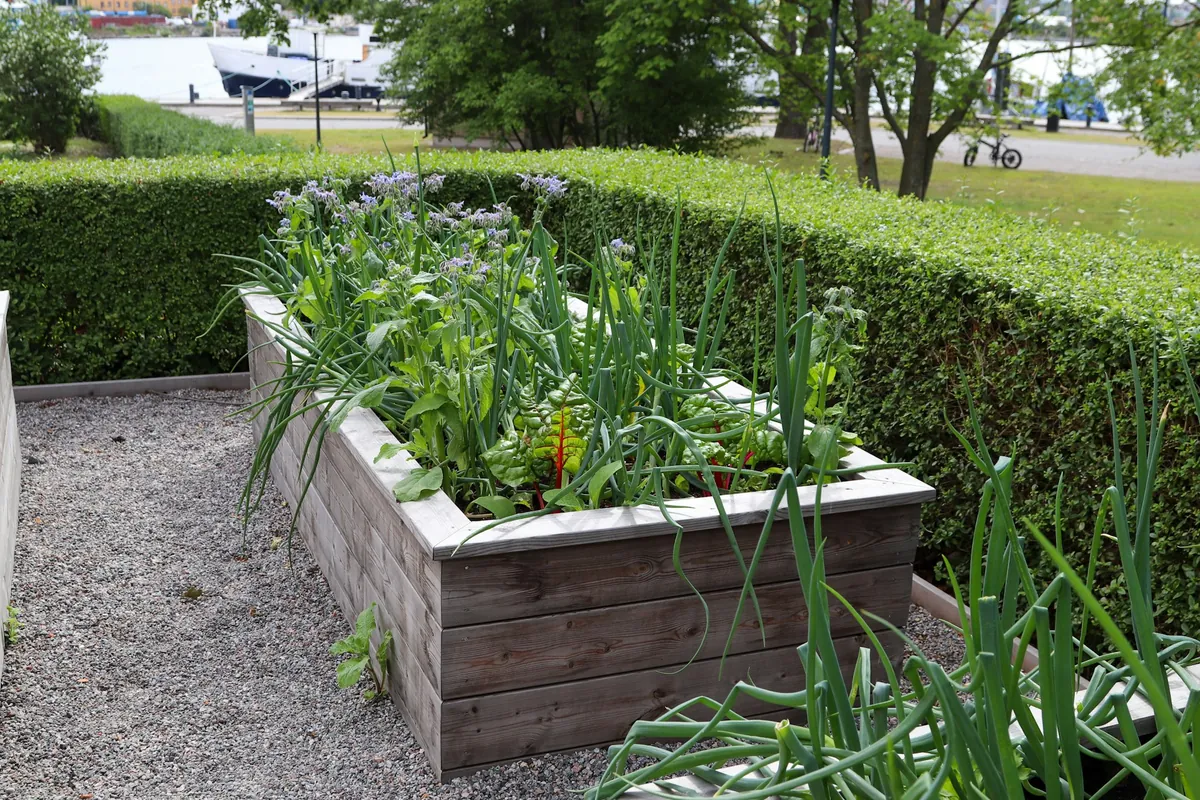 🧰 Problem solverHow to fill a tall raised bed without buying 2 yards of soilA 4 x 8 bed 24 inches tall holds 64 cu ft. Put logs, branches and leaves in the lower half and you buy 32 cu ft of soil instead. What goes in, what stays out.Read the guide
Sources
- Three methods for no-turn cold composting (EM 9480), Oregon State University Extension Service, published October 1, 2024. Checked October 11, 2026.
- Using Compost in Your Landscape (SPES-304), Virginia Cooperative Extension, Virginia Tech. Checked October 6, 2026.
- Gardner & Bloome Organics Purely Compost, Kellogg Garden Products. Checked October 6, 2026.
Planning guide, not a guarantee. See every source on the site on the sources page. Spotted an error? Tell us.