🧭 Garden systemZones7 stepsFree working copy
Keep a plant hardiness log: what you planted, and what came back
Quick answer
Give each perennial, shrub or bulb one line: the zone range on its tag, your own zone with its a or b half, the spot, and the date it went in. Work out the gap. Each full zone is 10°F and each half zone is 5°F, and Wisconsin Extension advises caution even at half a zone. Then check every plant in spring and write down what came back: all of it, roots only, no flowers, or nothing.
Source: Wisconsin Extension, hardiness zone maps (Jull), checked October 11, 2026.

Decide first
Keep a log, skip it, or ask for help?
Do it yourself
Keep the log yourself
Keep one if you plant perennials, shrubs or bulbs that stay outside all winter, and most of all if any of them sit at the edge of your zone. It takes a minute a plant at planting time and a walk around the yard each spring.
Skip it
Skip it for one-season plants
Summer vegetables and annual flowers die in fall anyway, so a hardiness log tells you nothing about them. USDA calls its zone maps general guides for growing perennial plants. For annuals, keep frost dates instead.
Source: USDA ARS, how to use the zone maps, checked October 6, 2026.
Get help
Ask your county extension office
Before you spend real money on a tree, a hedge or several plants rated near your zone's edge, ask your county extension office or a local nursery how they do nearby. Wisconsin Extension suggests buying from a local source you trust, because labels often overstate cold hardiness.
Source: Wisconsin Extension, hardiness zone maps (Jull), checked October 11, 2026.
- 10°Fbetween one full zone and the nextWisconsin Extension, hardiness zone maps (Jull), October 11, 2026
- 5°Fbetween the a and b halves of a zoneWisconsin Extension, hardiness zone maps (Jull), October 11, 2026
- ½ to 1 zoneless hardy, for flower buds on some trees and shrubsWisconsin Extension, hardiness zone maps (Jull), October 11, 2026
- 2 zonescolder to plan for when the plant winters in a potIllinois Extension, overwintering potted plants, October 6, 2026
A minute a plant, then one walk each spring
The steps, in order
Write your zone, with its half
Zip code 15213, in Pittsburgh, Pennsylvania, is zone 6b in the 2023 listing, with a band of -5 to 0°F. Write the zone at the top of the log. If you can't tell whether you're in the a or b half, Wisconsin Extension says to plan for the colder a.
Have ready: Your zip code and the working copy.
Source: PRISM 2023 USDA hardiness zone GIS datasets and zip-code listing, checked October 6, 2026; Wisconsin Extension, hardiness zone maps (Jull), checked October 11, 2026.
Copy the tag onto a line
For each plant, write the name as it appears on the tag, the zone range and the sun label. Take a phone photo of the front and back of the tag too, since tags fade and get lost.
Have ready: The plant tag, or the nursery's listing.
Work out the gap
If your zone sits inside the tag's range, there's no gap. If the tag's coldest zone is half a zone warmer than yours, you're 5°F short on an average winter; a full zone warmer is 10°F short. Write none, half or full.
Have ready: The tag range and your zone.
Source: Wisconsin Extension, hardiness zone maps (Jull), checked October 11, 2026.
Pick the spot by the gap
Plants with no gap can go anywhere the sun suits them. For a half zone gap, Wisconsin Extension points to sheltered spots: beds against a building, under trees, in a closed-in courtyard or near water. Keep them out of frost pockets.
Have ready: Your yard sketch, if you have one.
Source: Wisconsin Extension, hardiness zone maps (Jull), checked October 11, 2026.
Mark pots separately
A plant that spends winter outdoors in a pot gets a P on its line. Roots in a pot get much colder than roots in the ground, so Illinois Extension says to pick plants that survive two zones colder than where the pot stays.
Have ready: A list of pots that stay outside.
Source: Illinois Extension, overwintering potted plants, checked October 6, 2026.
Note the winter
Through winter, jot down anything unusual: a very cold snap, little snow cover, a warm spell followed by a hard freeze, or a dry fall. Wisconsin Extension names each of these as a cause of winter injury.
Have ready: An outdoor thermometer, if you have one.
Source: Wisconsin Extension, hardiness zone maps (Jull), checked October 11, 2026.
Check every plant in spring
Once growth starts, walk the yard with the log. Mark each plant all back, roots only, no flower buds or lost. Wisconsin Extension notes that flower buds on some trees and shrubs can be half a zone to a full zone less hardy than the rest of the plant.
Have ready: The log and a pencil.
Source: Wisconsin Extension, hardiness zone maps (Jull), checked October 11, 2026.
Free, one page, black and white
Print the working copy
Hardiness log: the steps above as a checklist with a date box for each, on one US Letter page.
If a step gets skipped
What goes wrong
⚠️
Trusting the tag alone
Wisconsin Extension warns that plant labels often overstate cold hardiness, especially on plants shipped in from big out of state growers. The log shows what holds up in your own yard.
Source: Wisconsin Extension, hardiness zone maps (Jull), checked October 11, 2026.
⚠️
Calling it after one mild winter
Zones rest on the average coldest night over 30 years, not the coldest night ever. One easy winter says little about the next hard one, so keep a borderline plant's line going for several years.
Source: Wisconsin Extension, hardiness zone maps (Jull), checked October 11, 2026.
⚠️
Planting ten of something untested
Wisconsin Extension's advice for new or borderline plants is to try a few in small numbers. Log one or two, and buy more once they've come back.
Source: Wisconsin Extension, hardiness zone maps (Jull), checked October 11, 2026.
⚠️
Logging a pot as if it were in the ground
The tag's range is for plants in the ground. A pot left outside needs a plant hardy two zones colder, so a pot that dies isn't evidence about the same plant in a bed.
Source: Illinois Extension, overwintering potted plants, checked October 6, 2026.
⚠️
Writing off a plant too early
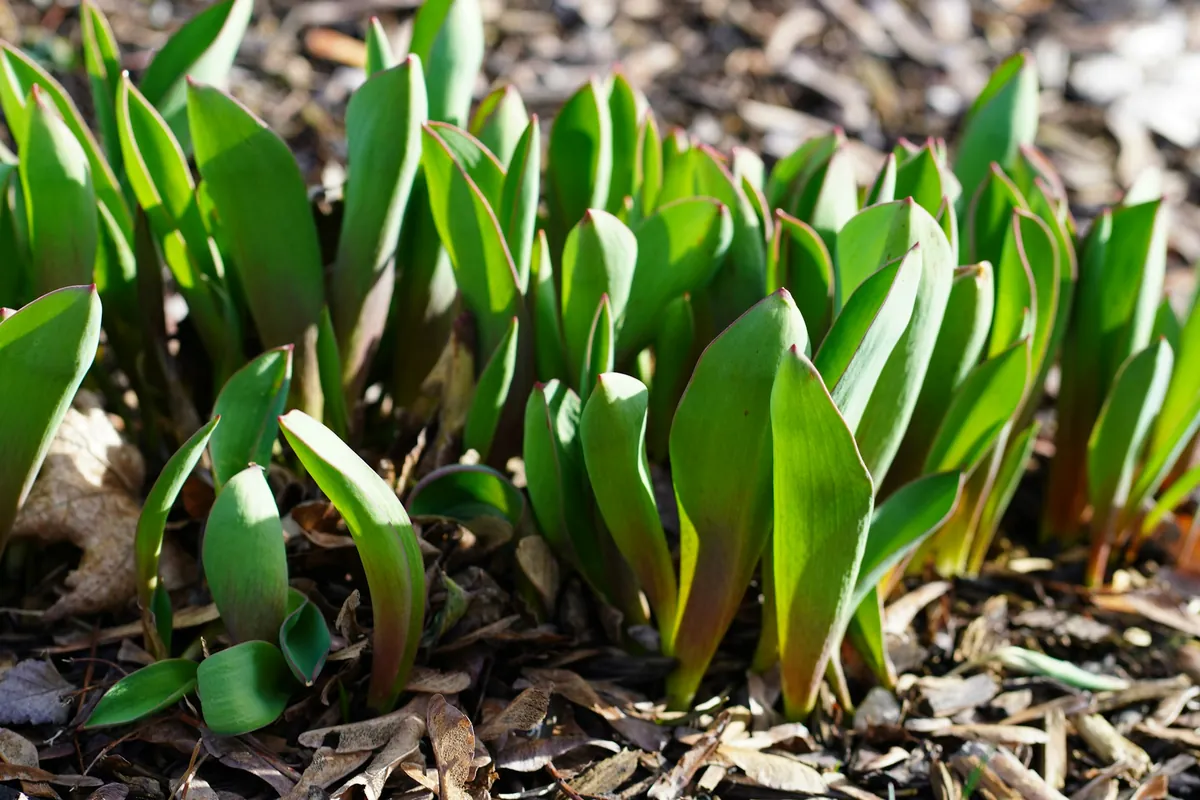
A plant with no green on top in early spring may still come back from the roots. Check again a few weeks later before you dig it out, and write both dates on the line.
When the steps change
Variants
🪴
A yard near a zone line
Zone lines come from averages. Iowa State Extension's rule for a yard near the boundary between two zones is to choose plants hardy for the colder one, and to log the warmer rated ones as borderline.
Source: Iowa State Extension, plant hardiness zone maps (1996), checked October 11, 2026.
🏙️
Pots that stay out all winter
Give pots their own section of the log and compare each tag with a zone two colder than yours. In zone 6b that means a plant rated to zone 4b or colder.
Source: Illinois Extension, overwintering potted plants, checked October 6, 2026.
❄️
Flowering trees and shrubs
Add a column for flowers. A shrub can come through winter fine and still lose its flower buds, which Wisconsin Extension says can be half a zone to a full zone less hardy. Iowa State Extension puts it plainly: surviving isn't the same as doing well.
Source: Wisconsin Extension, hardiness zone maps (Jull), checked October 11, 2026; Iowa State Extension, plant hardiness zone maps (1996), checked October 11, 2026.
☀️
A yard with warm and cold spots
If you've mapped your yard, write the spot number from the microclimate sheet on each line. After a few winters, the log shows which spots really are warmer.
Source: USDA ARS, how to use the zone maps, checked October 6, 2026.
What people learn the second year
Tips and tricks
- Log at the hole, not later. Fill in the line while the tag is still in your hand. A week later you won't remember which pot it came out of.
- Use the botanical name. Common names get shared between different plants. The italic name on the tag is the one you can still look up years from now.
- Mark the spot in the ground too. A short stake or a label beside each borderline plant helps in spring, when the bed is bare and everything looks the same.
- Add a column each spring. Write the year at the top of a new column and check every plant. After three or four springs, the columns tell you more than the tag did.
- Keep it with your zone card. Store the log with your zone card and frost date card, so the next plant you buy gets checked against all three.
The one we checked the steps against
Primary source
Hardiness Zone Maps, University of Wisconsin-Madison Division of Extension. Checked October 11, 2026.
University of Wisconsin-Madison Extension's hardiness zone article (revised November 2024) backs nearly every column of the log: 10°F zones and 5°F halves, choosing the colder a half when unsure, caution at half a zone warmer, trying new plants in small numbers, sheltered spots, causes of winter injury, flower buds being less hardy, and labels that overstate hardiness. Iowa State Extension adds the zone boundary rule and Illinois Extension the two zones for pots.
The arithmetic and the background reading
Tools and guides in this system
- 🌡️ LookupUSDA zone finder by zip codeFind your 2023 USDA plant hardiness zone by zip code, see its winter low band in °F and °C, and check a plant tag's zone range against it.Open the tool
- 🗺️ SectionAll zones toolsFind your 2023 USDA hardiness zone and your NOAA frost dates by zip code, with a printable hardiness log and a frost date card.See the section
 📘 Know-howHow to read a plant tag: zones, sun hours, size and spacingWhat the zone range, sun icon, height, spread and spacing on a plant tag mean, and how to check each one against your own yard before you buy.Read the guide
  🧰 Problem solverThe tag says zone 7 and you're in zone 6: what you can doFell for a plant rated half a zone or a full zone warmer than your yard? How big the gap is, where it might make it, and how to log the result each winter.Read the guide
Common questions
Questions
What should a plant hardiness log include?
One line per plant: the name as on the tag, the tag's zone range, your zone with its a or b half, the gap between them, the spot, the planting date, and a spring check for each year.
How much colder is one zone?
Each full zone covers 10°F of average coldest winter temperature, and each a or b half covers 5°F, according to Wisconsin Extension.
Source: Wisconsin Extension, hardiness zone maps (Jull), checked October 11, 2026.
Can I grow a plant rated half a zone warmer than my yard?
Maybe, in a sheltered spot. Wisconsin Extension advises caution even at half a zone and suggests trying a few plants in small numbers first. Log them and check them each spring.
Source: Wisconsin Extension, hardiness zone maps (Jull), checked October 11, 2026.
My shrub survived but didn't flower. Was it the cold?
It may have been. Wisconsin Extension notes that flower buds on some trees and shrubs can be half a zone to a full zone less hardy than the rest of the plant. Mark it no buds on the log and watch the next winter.
Source: Wisconsin Extension, hardiness zone maps (Jull), checked October 11, 2026.
How many winters before I know a plant is hardy in my yard?
There's no set number. Zones come from a 30 year average, so a mild winter or two can flatter a plant. Keep its line going and give more weight to the years with a hard cold snap.
Source: Wisconsin Extension, hardiness zone maps (Jull), checked October 11, 2026.
The next job on the shelf
More garden systems
 7 steps🧭 SystemRefresh border mulch: measure each bed, then buy only the gapMeasure the old layer in every bed before you order. One example yard needs 23 bags of 2 cu ft, not 45. The steps, the 3 inch limit and a free mulch record.Open the system
  7 steps🧭 SystemTurn fall leaves into bed cover and mulch, and keep a tally of the bagsWhat to do with fall leaves: mow a thin layer into the lawn, shred the rest and spread 2 to 3 inches on beds. Free leaf haul tally to print.Open the system
  6 steps🧭 SystemFall raised bed reset: clear, top up and cover for winterPut a raised bed to bed in fall: clear finished plants, measure how far the soil sank, top it up with compost and cover it with leaves. Free checklist.Open the system
Sources
- Hardiness Zone Maps, University of Wisconsin-Madison Division of Extension. Checked October 11, 2026.
- How to Use the Maps, USDA Plant Hardiness Zone Map, USDA Agricultural Research Service. Checked October 6, 2026.
- 2023 USDA Plant Hardiness Zone GIS Datasets, PRISM Group, Oregon State University (for USDA). Checked October 6, 2026.
- Overwintering potted plants, University of Illinois Extension, published November 27, 2024. Checked October 6, 2026.
- Plant Hardiness Zone Maps, Iowa State University Extension and Outreach, published February 9, 1996. Checked October 11, 2026.
Planning guide, not a guarantee. See every source on the site on the sources page. Spotted an error? Tell us.