🌡️ ZonesFree toolPrintable record
USDA hardiness zone finder by zip code
Quick answer
Type a five-digit zip code and the tool gives its zone from the 2023 USDA Plant Hardiness Zone Map zip-code listing. Zones are based on the average annual extreme minimum winter temperature: 10°F per zone, split into 5°F half zones (a and b). Zip code 43215 is zone 6b, with an average coldest night of -5°F to 0°F.
Source: USDA Plant Hardiness Zone Map (2023), checked October 6, 2026; PRISM 2023 USDA hardiness zone GIS datasets and zip-code listing, checked October 6, 2026.

USDA zone finder by zip code
Change any number and the answer updates as you type.
Zip code 43215, 2023 USDA map6b Zone 6b
- Average coldest winter night
- -5°F (-20.6°C) to 0°F (-17.8°C)
- Whole zone (for plant tags)
- Zone 6
- Half zone
- b, the warmer half
Plant tag check Zone 6 is inside the tag's range of zones 4 to 8.
No garden math needed
How to use this, in plain words
Type the five-digit zip code where the garden is. That's the zip on your mail, not where you bought the plant.
Read the zone and the band under it. The band is the average coldest winter night for that zip, from 1991 to 2020.
Find the zone range on the plant tag, such as zones 4 to 8, and type the two numbers into the tag check.
Print the hardiness log and note what you planted, where and how it came through each winter.
Source: USDA ARS, how the 2023 map was made, checked October 6, 2026.
What the store won't tell you
Before you start
- Zones are averages. USDA says the maps use the average lowest temperatures, not the lowest ever, so any winter can be colder.
- Your zone may have changed since 2012. USDA says about half of the country moved to the next warmer half zone on the 2023 map.
- The zone is about winter cold only. It says nothing about summer heat or frost dates, which are separate questions.
- Plant tags list whole zones. Drop the a or b from your zone before you compare.
Source: USDA ARS, how to use the zone maps, checked October 6, 2026; USDA ARS news release, November 15, 2023, checked October 6, 2026.
Go deeper: What your USDA zone does and doesn't tell you · Zone vs frost date: two different numbers for one garden · The two-zones-colder rule for plants that winter in pots · Microclimates in one yard: find the warm and cold spots · One corner of the yard frosts first: find and fix a frost pocket · How to read a plant tag: zones, sun hours, size and spacing · The tag says zone 7 and you're in zone 6: what you can do
The formula, in words
How it works
- The tool takes the first five digits of your zip code and looks them up in the 2023 zip-code listing that Oregon State University's PRISM group publishes for the USDA map.
- Each whole zone covers 10°F of average coldest winter night, and each half zone, a or b, covers 5°F.
- Zone 1a starts at -60°F, so zone n starts at -60 + (n - 1) × 10°F. The b half starts 5 degrees higher than the a half.
- Plant tag check: tags list whole zones, such as 4 to 8. The tool says whether your zone number falls inside that range, below it (colder) or above it (warmer).
Source: PRISM 2023 USDA hardiness zone GIS datasets and zip-code listing, checked October 6, 2026; USDA Plant Hardiness Zone Map (2023), checked October 6, 2026.
Printable sheet
What to record
A zone number is a starting point. Over a few winters, a log shows which plants actually came through in your yard. The printable plant hardiness log has one row per plant:
- Plant and variety
- Zone range on the tag
- Your zone (2023 map)
- Where it's planted (sun, shelter, wall)
- Date planted
- How it came through winter
- Notes for next year
Checked by hand
Worked example
Zip code 43215, checked against a plant tag that says zones 4 to 8.
- Zip code 43215 starts with 43, so the tool opens the 43 list and finds 215 in it: zone 6b.
- Zone 6 covers a 10 degree band. Zone 1a starts at -60°F, so zone 6 starts at -60 + (6 - 1) × 10 = -10°F.
- Half zone b is the upper 5 degrees: -5°F to 0°F, which is -20.6°C to -17.8°C.
- A tag that says zones 4 to 8 includes zone 6.
Why it may not match the bag or the store
If the answer surprises you
❓
A neighbor's map shows another zone
Older maps and some seed catalogs still use the 2012 zones. USDA says the 2023 map runs about a quarter zone warmer across much of the country, so check which map a source uses.
Source: USDA ARS, how the 2023 map was made, checked October 6, 2026.
❓
A plant died inside its zone
USDA lists wind, soil moisture, snow, humidity and winter sunshine as things that affect survival, and notes that many plants handle short cold snaps but not long ones.
Source: USDA ARS, how to use the zone maps, checked October 6, 2026.
❓
Your yard runs warmer or colder
USDA says there can be microclimates too small to show on the map. A south wall or a low spot where cold air settles can differ from your zip code's listing.
Source: USDA ARS, how to use the zone maps, checked October 6, 2026.
Other cases
Variants
🟫
Alaska, Hawaii and Puerto Rico
PRISM publishes separate zip-code listings for Alaska, Hawaii and Puerto Rico. The tool includes all three along with the lower 48 states.
Source: PRISM 2023 USDA hardiness zone GIS datasets and zip-code listing, checked October 6, 2026.
⭕
Your yard and your zip code
One zip code covers a lot of ground. A south-facing wall, a hilltop or a low spot where cold air settles can run warmer or colder than the listing says, and the hardiness log records how your plants actually did.
🔁
Zones and frost dates are different
The zone tells you how cold winter gets, not when the last spring frost comes. Frost dates are a separate lookup with their own data.
Where each figure comes from
Numbers this tool uses
- Average annual extreme minimum winter temperatureWhat the map is based on (USDA)USDA Plant Hardiness Zone Map (2023), October 6, 2026
- 10°F per zone, 5°F per half zoneZone width (USDA)USDA Plant Hardiness Zone Map (2023), October 6, 2026
- 1991 to 2020Years averaged (PRISM)PRISM 2023 USDA hardiness zone GIS datasets and zip-code listing, October 6, 2026
- -60°F to -55°FColdest half zone, 1a (PRISM listing)PRISM 2023 USDA hardiness zone GIS datasets and zip-code listing, October 6, 2026
- 40,502, including Alaska, Hawaii and Puerto RicoZip codes in the 2023 listing (PRISM)PRISM 2023 USDA hardiness zone GIS datasets and zip-code listing, October 6, 2026
- Zone 6b, -5°F to 0°FExample: zip code 43215 (PRISM listing)PRISM 2023 USDA hardiness zone GIS datasets and zip-code listing, October 6, 2026
Limitations
- Planning guide, not a guarantee; zone data are averages of the coldest winter night from 1991 to 2020, and any winter can be colder than average.
- This lookup is not the official USDA Plant Hardiness Zone Map. It repeats the published zip-code listing without changes. The official map is at planthardiness.ars.usda.gov.
- Hardiness is about winter cold only. Summer heat, rainfall, soil and wind matter too, and the zone says nothing about them.
- If a zip code isn't in the listing, the tool says so instead of guessing from a neighbor.
What people learn the second year
Tips and tricks
- Look up the garden's zip code. If you garden somewhere other than home, a community plot or a second lot, look up that zip code. The listing gives one zone per zip code, so the garden's own matters.
- Keep the temperature range too. Copy the coldest-night range the tool shows next to the zone. Some plant pages give a low temperature in degrees instead of a zone, and the range lets you compare directly.
- Check which map a catalog uses. A catalog that still prints 2012 zones can be half a zone off from the 2023 map. Check the map year before you compare. (USDA ARS news release, November 15, 2023)
- Use the zone for what survives, the frost date for when. The zone answers whether a perennial can live through winter. Planting dates come from the frost date lookup.
- Note what made it through. Write down which plants came back each spring on the hardiness log. After a few winters you'll know whether your yard runs warmer or colder than its zip code.
Read before the store run
Guides that go deeper
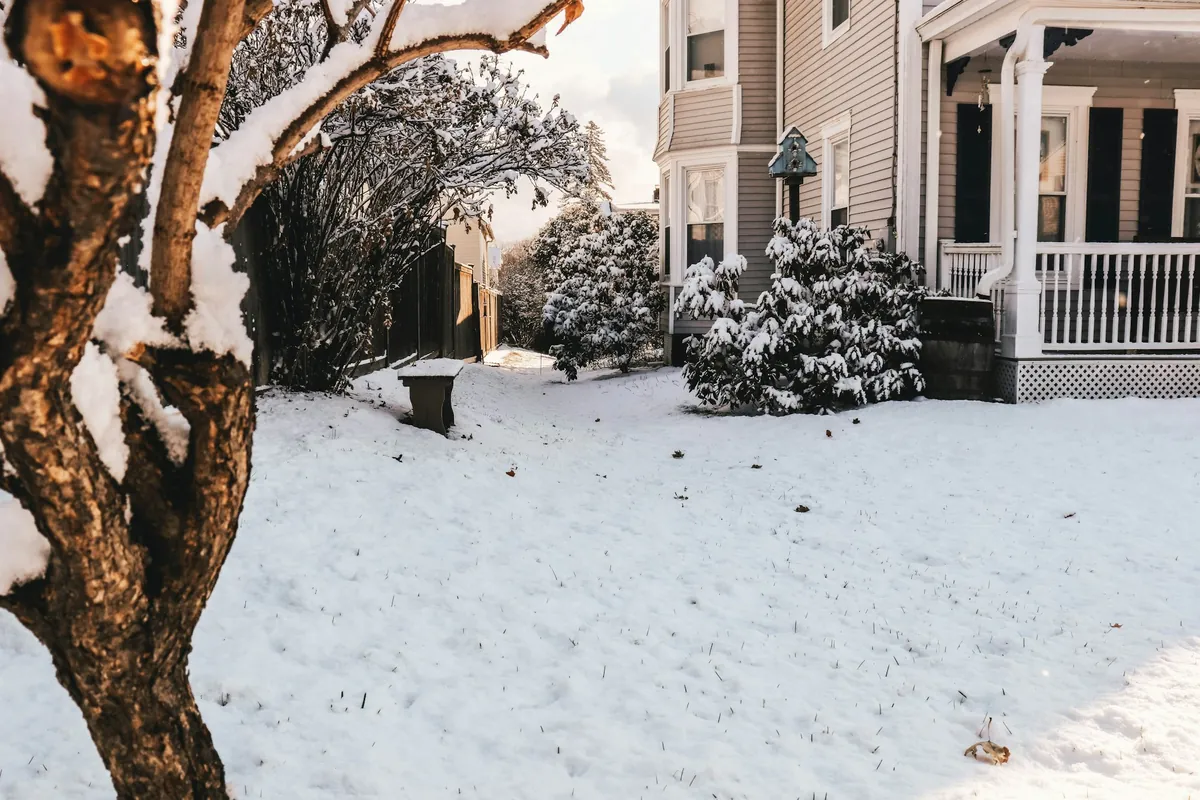 📘 Know-howWhat your USDA zone does and doesn't tell youYour hardiness zone is one number: the average coldest winter night. What it covers, what it leaves out, and why many zones moved in 2023.Read the guide
 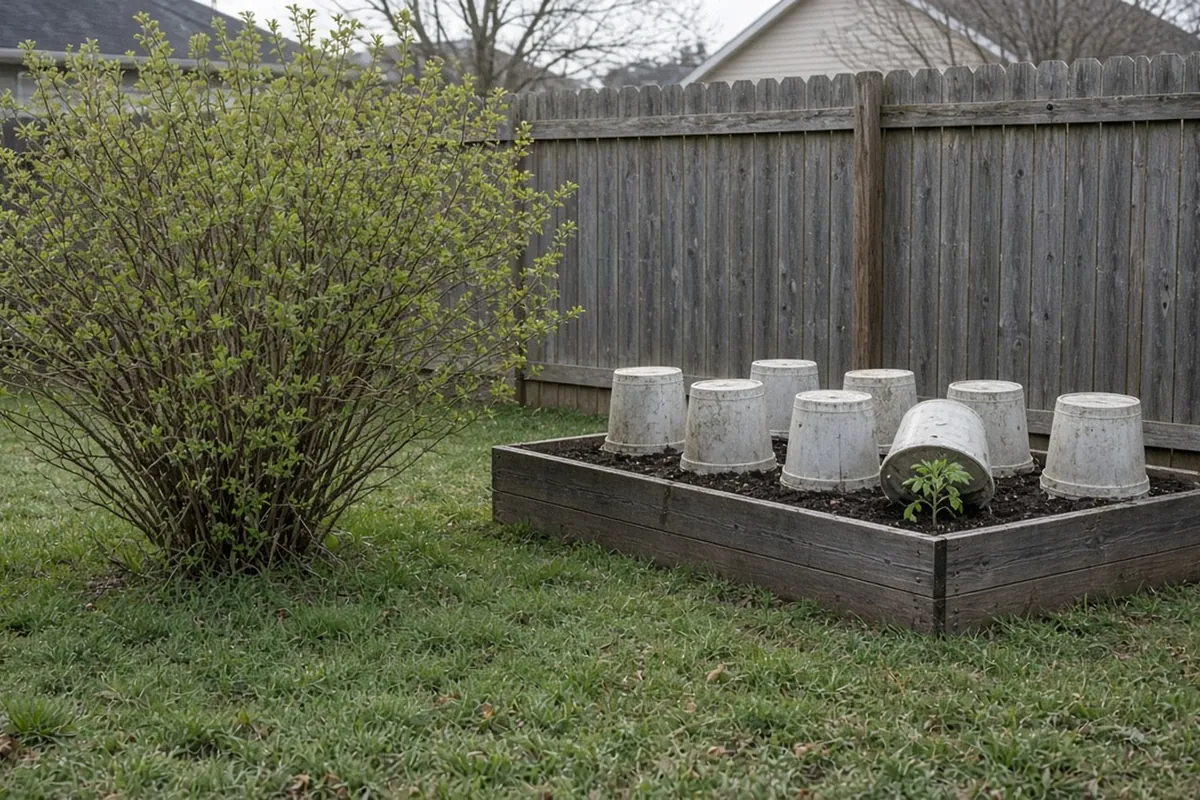 📘 Know-howZone vs frost date: two different numbers for one gardenYour USDA zone and your frost dates answer different questions. See why two towns in the same zone can be 50 days apart, and which number to use when.Read the guide
 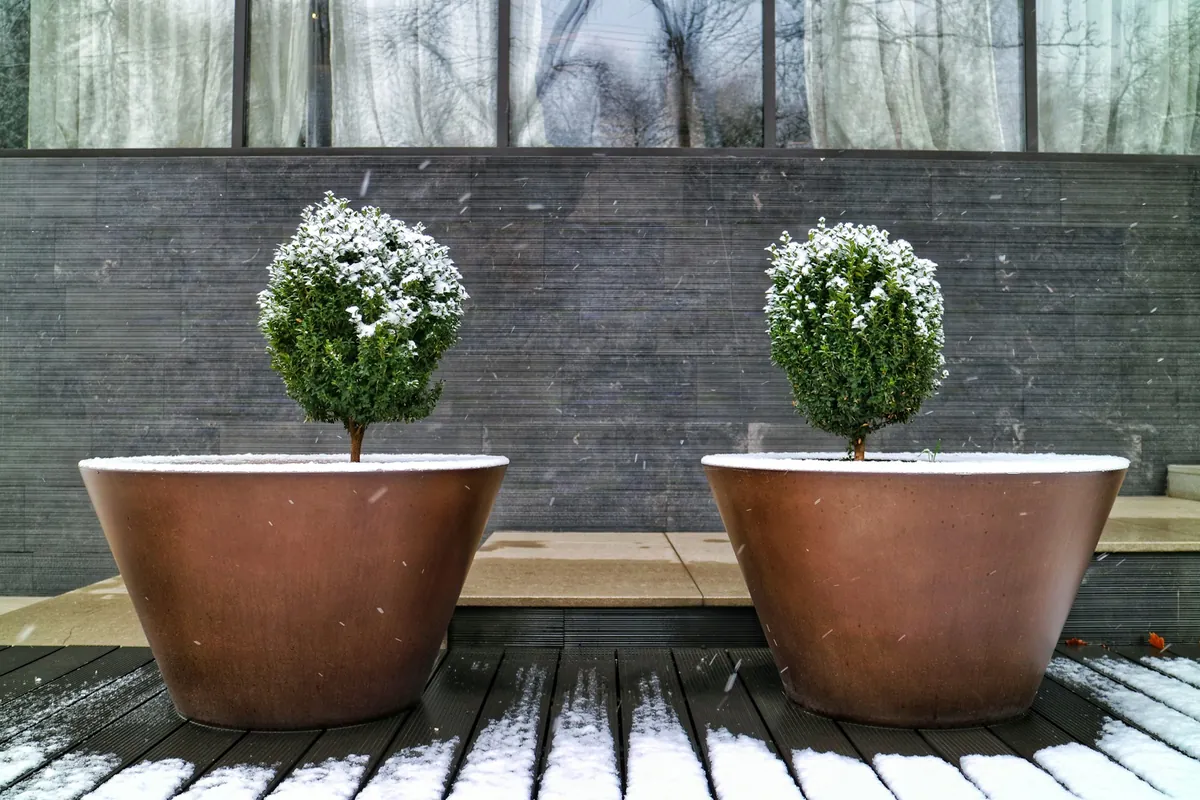 📘 Know-howThe two-zones-colder rule for plants that winter in potsWhy a perennial that winters outside in a pot needs a tag rated two zones colder than your yard, with a zone-by-zone table and a tag check.Read the guide
 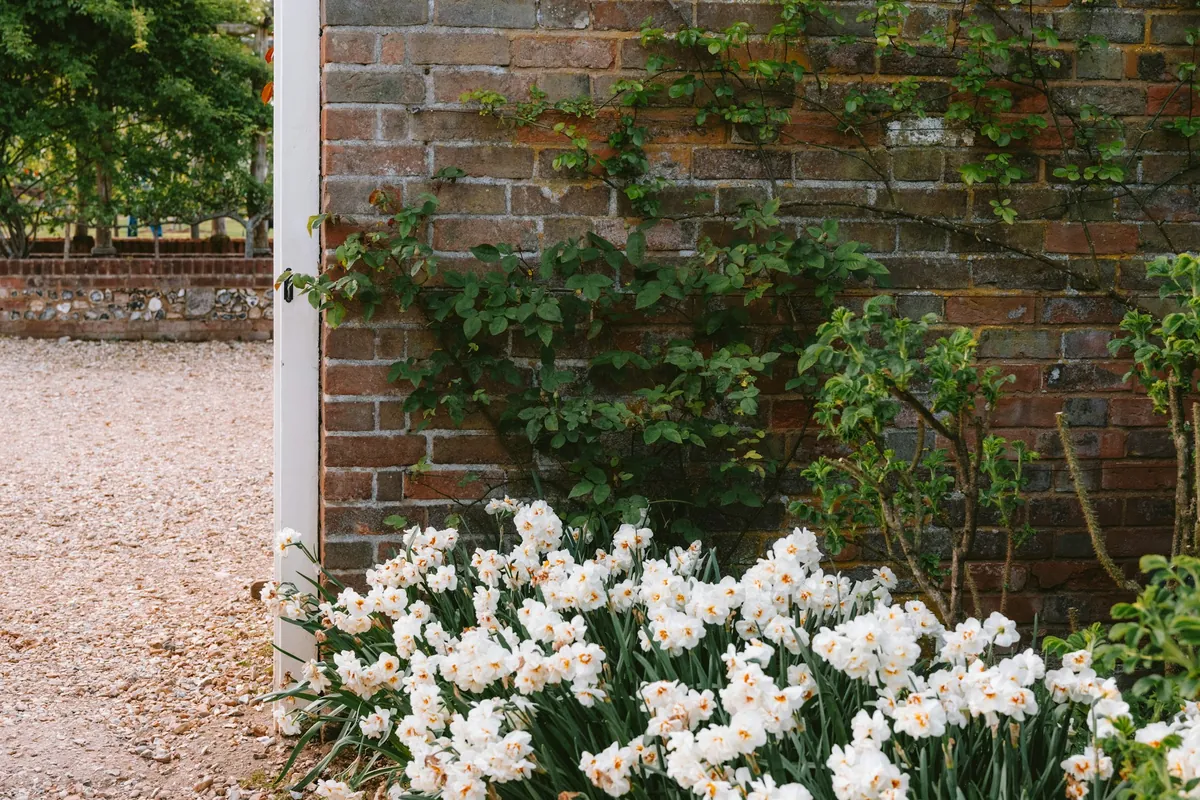 📘 Know-howMicroclimates in one yard: find the warm and cold spotsOne zone covers your whole street. Find the warm walls, cold corners and shady strips in your own yard, and log what each spot does.Read the guide
 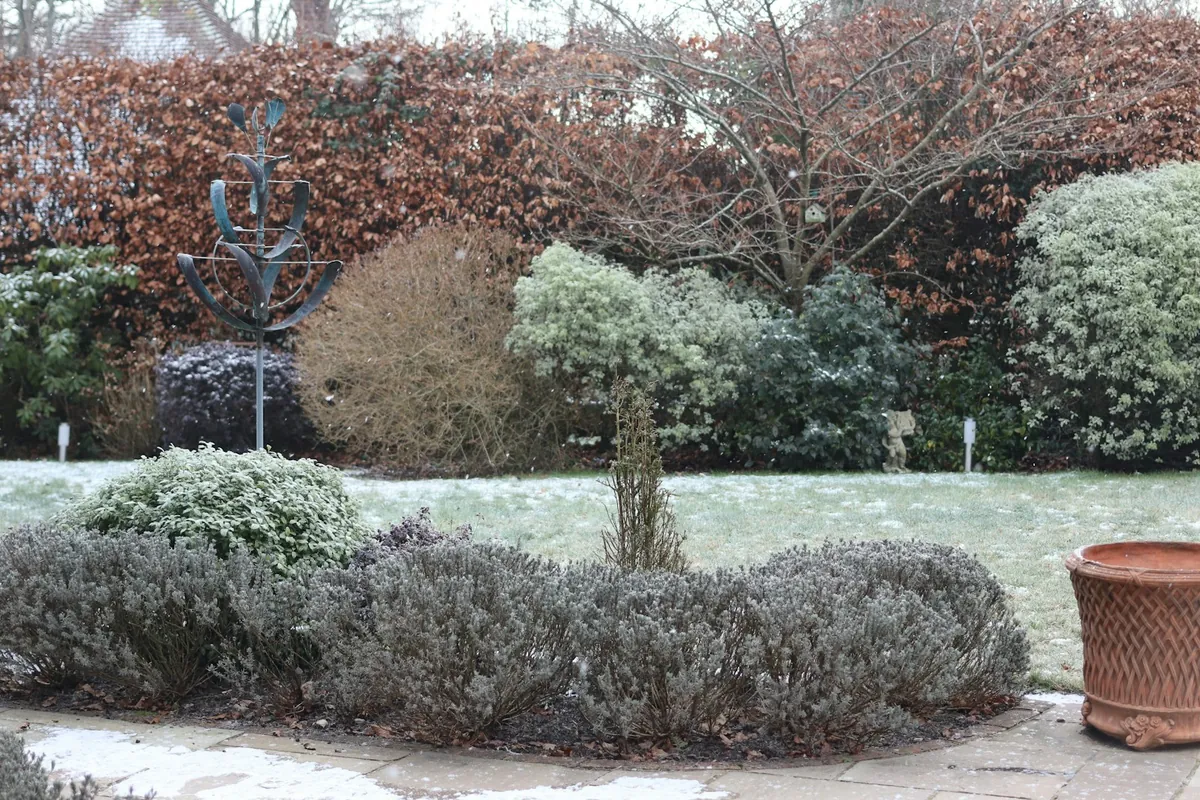 🧰 Problem solverOne corner of the yard frosts first: find and fix a frost pocketFrost in the low corner but not by the house? Cold air drains downhill on still nights. How to find a frost pocket, open it up and plant around it.Read the guide
 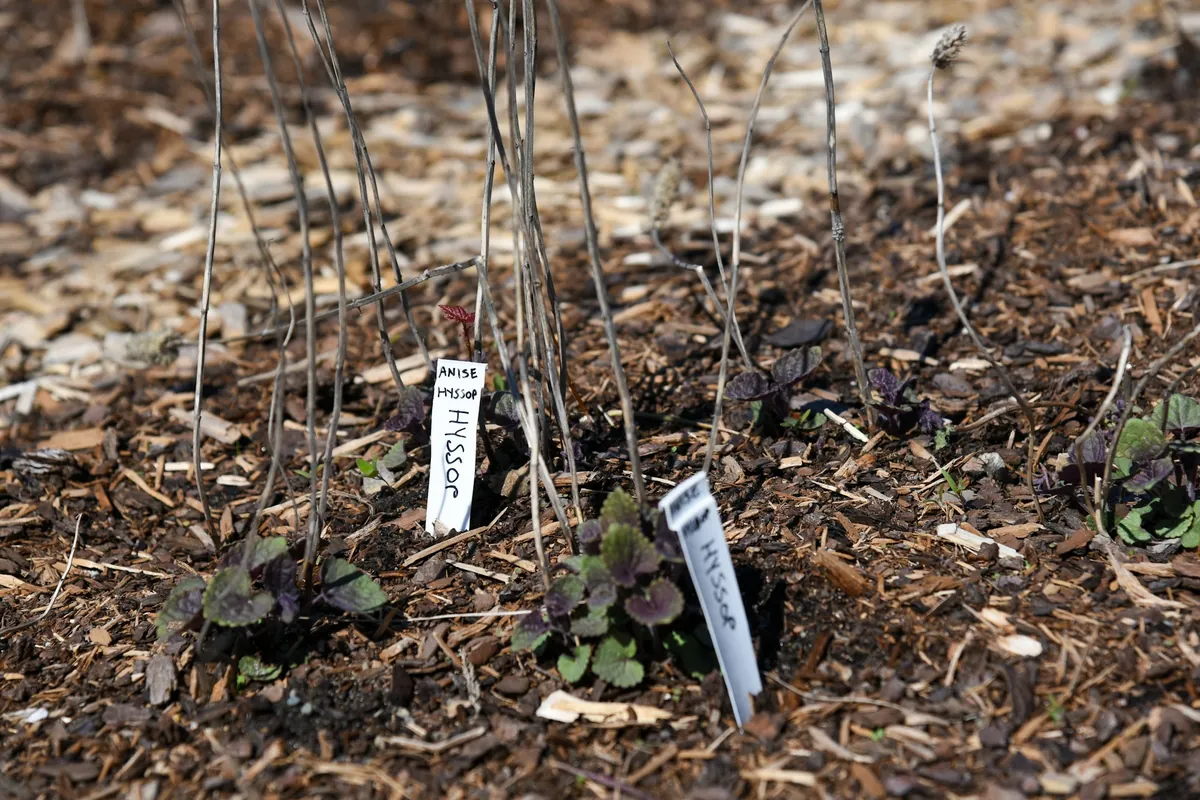 📘 Know-howHow to read a plant tag: zones, sun hours, size and spacingWhat the zone range, sun icon, height, spread and spacing on a plant tag mean, and how to check each one against your own yard before you buy.Read the guide
  🧰 Problem solverThe tag says zone 7 and you're in zone 6: what you can doFell for a plant rated half a zone or a full zone warmer than your yard? How big the gap is, where it might make it, and how to log the result each winter.Read the guide
Common questions
Questions
What USDA zone am I in?
Type your five-digit zip code into the tool above. It reads the 2023 USDA zip-code listing and shows your half zone, such as 6b, with its winter low band.
Source: PRISM 2023 USDA hardiness zone GIS datasets and zip-code listing, checked October 6, 2026.
What do the a and b after the zone number mean?
Each zone is 10°F wide and split into two 5°F halves. The a half is the colder one, b the warmer one.
Source: USDA Plant Hardiness Zone Map (2023), checked October 6, 2026.
Which number do I compare with a plant tag?
Tags list whole zones, so use the number and drop the letter. Zone 6b counts as zone 6 on a tag that says zones 4 to 8.
Is my zone the same thing as my frost date?
No. The zone describes how cold the coldest winter night gets on average. Frost dates describe when freezing nights stop in spring and start again in fall, and they come from different data.
More for the same garden
Related tools
- 🪴 CalculatorRaised bed soil calculatorHow much soil fills a raised bed: cubic feet, cubic yards and a bag count for 1.5 or 2 cu ft bags, from the bed's length, width and depth.Open the tool
- 🍂 CalculatorMulch calculatorHow much mulch a bed takes in cubic feet, cubic yards and 1.5 or 2 cu ft bags, at the depth you pick, with the 2 to 3 inch band worked out too.Open the tool
- 🏺 CalculatorContainer soil calculatorHow much potting mix to buy for round pots, square planters and window boxes: quarts, cubic feet and bag counts, filled an inch below the rim.Open the tool
- ❄️ LookupFrost date lookup by zip codeFind the typical last spring and first fall frost for your zip code from NOAA 1991 to 2020 station normals, with the 1 in 10 year dates and a printable card.Open the tool
- 🧄 CalculatorGarlic and bulb planting calculatorHow many garlic cloves or spring bulbs fit a bed or a row, how many heads to buy, and how deep to plant them, from extension spacing figures.Open the tool
- 🗺️ SectionAll zones toolsFind your 2023 USDA hardiness zone and your NOAA frost dates by zip code, with a printable hardiness log and a frost date card.See the section
Sources
- 2023 USDA Plant Hardiness Zone Map, USDA Agricultural Research Service. Checked October 6, 2026.
- 2023 USDA Plant Hardiness Zone GIS Datasets, PRISM Group, Oregon State University (for USDA). Checked October 6, 2026.
- Map Creation, USDA Plant Hardiness Zone Map, USDA Agricultural Research Service. Checked October 6, 2026.
- How to Use the Maps, USDA Plant Hardiness Zone Map, USDA Agricultural Research Service. Checked October 6, 2026.
- USDA Unveils Updated Plant Hardiness Zone Map, USDA Agricultural Research Service. Checked October 6, 2026.
See every source on the site on the sources page. Spotted an error? Tell us.