🧭 Garden systemZones7 stepsFree working copy
Frost date worksheet: set your last and first frost once, plan the year from it
Quick answer
Type your zip code into the frost date lookup and pick the NOAA station most like your yard. Write down four dates: the typical last spring frost and the later 1 in 10 one, then the earlier 1 in 10 first fall frost and the typical one. For zip code 43215 in Columbus, Ohio, that's April 20 and May 7, then October 13 and October 24. Count seed-packet weeks from those dates, and each year write down the frosts you actually get.
Source: NOAA 1991-2020 U.S. Climate Normals, annual/seasonal, checked October 7, 2026; NOAA 1991-2020 annual/seasonal normals documentation, checked October 7, 2026.

Decide first
Do you need a frost date card?
Do it yourself
Make one yourself
If you start seeds, set out transplants or bring pots in for winter, it takes about ten minutes and a zip code. Do it before you buy seed in winter, so the packet weeks have a date to count from.
Skip it
Skip it in a no-frost spot
In parts of Florida, southern California, Hawaii and Puerto Rico, NOAA lists no 32°F date for many stations because it has too few freezes to compute one. If all three nearby stations show no date, a frost card has little to say for you.
Source: NOAA 1991-2020 annual/seasonal normals documentation, checked October 7, 2026.
Get help
Ask your county extension office
For a yard in a mountain valley, on a hilltop far from any station, or anywhere the three stations disagree by weeks, ask your county Cooperative Extension office or a local nursery what dates gardeners near you go by. Then write those beside the NOAA dates.
- 32°Fthe station reading NOAA's frost dates are built onNOAA 1991-2020 annual/seasonal normals documentation, October 7, 2026
- 1 in 10springs still freeze after the cautious dateNOAA 1991-2020 annual/seasonal normals documentation, October 7, 2026
- 17 daysbetween the typical and cautious spring dates in ColumbusNOAA 1991-2020 U.S. Climate Normals, annual/seasonal, October 7, 2026
- 33,791zip code areas the lookup coversCensus 2023 Gazetteer, ZIP Code Tabulation Areas, October 7, 2026
Ten minutes in winter, a line a year after that
The steps, in order
Look up your zip code
Type the zip code where the garden is into the frost date lookup. It finds the three nearest NOAA stations within 100 miles that have 1991 to 2020 freeze dates. For zip code 43215, the nearest is Columbus WCMH, 4.1 miles away at 740 ft.
Have ready: Your zip code.
Source: NOAA 1991-2020 U.S. Climate Normals, annual/seasonal, checked October 7, 2026.
Pick the station that's most like your yard
Compare height and setting, not only distance. In Baltimore (21201), the harbor station at 20 ft has a typical last spring frost of March 24, and the airport station at 156 ft, 9.4 miles away, has April 10. A yard in a low spot or out in the open runs closer to the later date.
Have ready: A rough idea of whether your yard sits high, low, in town or in open country.
Source: NOAA 1991-2020 U.S. Climate Normals, annual/seasonal, checked October 7, 2026.
Write four dates on the card
From the station you picked, copy the typical (50%) last spring frost and the 1 in 10 later one, then the 1 in 10 earlier first fall frost and the typical one. Columbus WCMH: April 20 and May 7; October 13 and October 24. At the typical date, a freeze still comes later in about half of springs.
Have ready: The printed working copy and a pen.
Source: NOAA 1991-2020 U.S. Climate Normals, annual/seasonal, checked October 7, 2026; NOAA 1991-2020 annual/seasonal normals documentation, checked October 7, 2026.
Turn seed-packet weeks into dates
A packet that says "start indoors 6 weeks before the last frost" means 42 days before your date. From April 20, that's March 9. Hardy seedlings can go by the typical date; tender transplants are worth holding to May 7.
Have ready: The seed packets for this year.
Set your fall deadline from the early date
Count fall jobs back from the 1 in 10 first frost, not the typical one, because only about 1 fall in 10 freezes before it. Two weeks before October 13 is September 29: a good date to plan moving pots for winter and the last harvest.
Have ready: A list of pots and crops that can't take a freeze.
Source: NOAA 1991-2020 annual/seasonal normals documentation, checked October 7, 2026.
Let the forecast pick the day
The card sets the window. Inside it, check the local forecast the week before planting out or bringing pots in. NOAA's dates are 30-year statistics for a 32°F reading at the station, not a forecast for this year.
Have ready: A weather app or the National Weather Service forecast for your area.
Source: NOAA 1991-2020 annual/seasonal normals documentation, checked October 7, 2026.
Write down the frosts you actually get
Each spring and fall, note the date of the last and first frost you see in your own yard on the frost date card or the log below. After three or four years you'll know whether your yard runs ahead of the station or behind it.
Have ready: The card, kept by the back door or in the seed box.
Free, one page, black and white
Print the working copy
Frost date card: the steps above as a checklist with a date box for each, on one US Letter page.
If a step gets skipped
What goes wrong
⚠️
Planting on the typical date and calling it safe
The typical date is the 50% one. In about half of springs a 32°F night still comes after it, so frost a week later doesn't mean the data was wrong.
Source: NOAA 1991-2020 annual/seasonal normals documentation, checked October 7, 2026.
⚠️
Taking the date from a zone chart
Charts that give one frost date per USDA zone flatten real differences. Boston and Spokane are both zone 7a, yet their nearest stations put the typical last spring frost 22 days apart.
Source: PRISM 2023 USDA hardiness zone GIS datasets and zip-code listing, checked October 6, 2026; NOAA 1991-2020 U.S. Climate Normals, annual/seasonal, checked October 7, 2026.
⚠️
Trusting the nearest station without looking
The closest station can be a downtown rooftop or a harbor site that runs warm. Check its height in the table and compare it with the other two before you copy its dates.
Source: NOAA 1991-2020 U.S. Climate Normals, annual/seasonal, checked October 7, 2026.
⚠️
Counting fall jobs from the typical date
By the typical first fall frost, about half of years have already had one. A fall deadline counted from it is late one year in two.
Source: NOAA 1991-2020 annual/seasonal normals documentation, checked October 7, 2026.
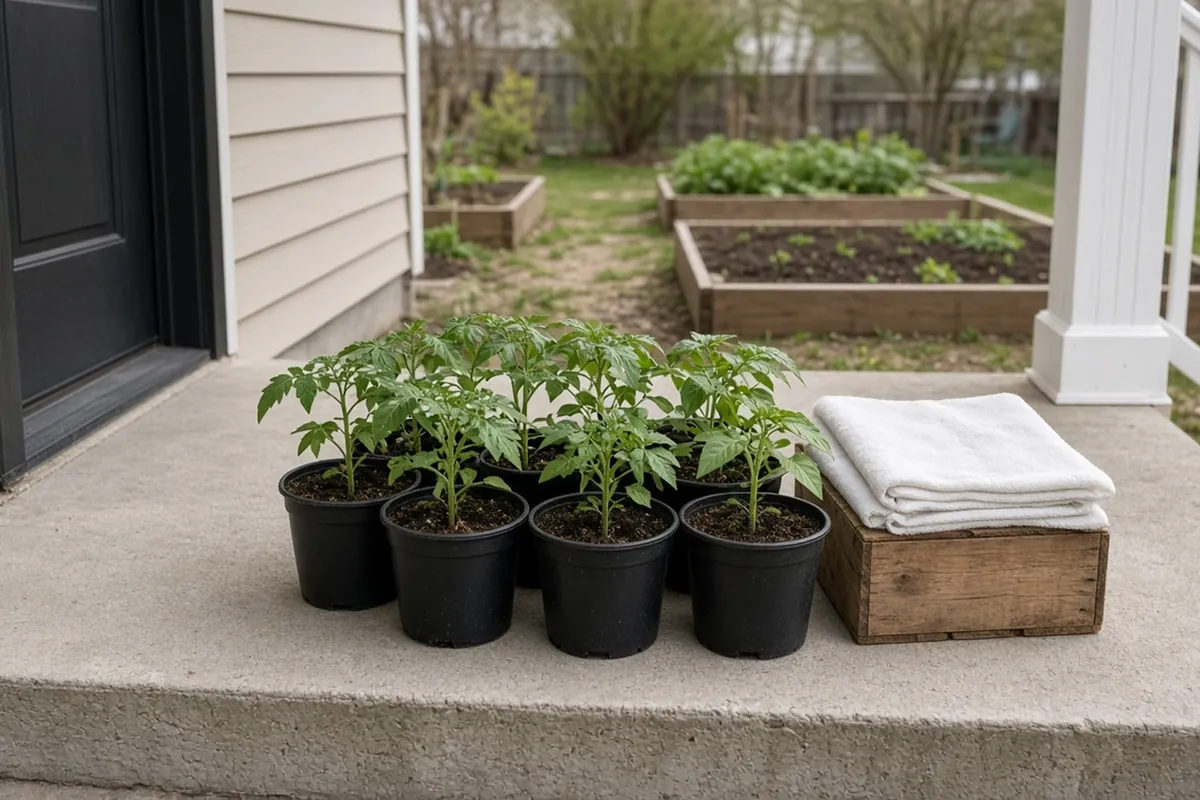
When the steps change
Variants
🪴
Short seasons (northern and mountain yards)
Plan around the season between the two 1 in 10 dates, not the typical one. In Columbus that's 159 days instead of 187, and the gap gets more important the shorter the season.
Source: NOAA 1991-2020 U.S. Climate Normals, annual/seasonal, checked October 7, 2026.
🏙️
Mild winters where fall frost lands in January
In warm places the typical first freeze can come after New Year's, and the last spring one can come in December. Write the year next to each date so the card reads the right way round.
Source: NOAA 1991-2020 U.S. Climate Normals, annual/seasonal, checked October 7, 2026.
❄️
No 32°F date at the nearest station
NOAA leaves the date empty when it has too few freezes to compute one and flags a few cold stations as a year-round frost risk. Use the next station in the table that has dates, or write "no date" and skip the frost lines.
Source: NOAA 1991-2020 annual/seasonal normals documentation, checked October 7, 2026.
What people learn the second year
Tips and tricks
- Write both spring dates. The typical and the 1 in 10 date together tell you how risky each week is. In Columbus they're 17 days apart, which is room for hardy seedlings first and tender ones later. (NOAA 1991-2020 U.S. Climate Normals, annual/seasonal)
- Put the card in the seed box. That's where you'll be when a packet says "6 weeks before the last frost." A card on the fridge gets forgotten by March.
- Note the station name on the card. Next year you'll want to compare with the same station. Writing it down saves guessing which of the three you used.
- Note where you saw each frost. Frost on the car roof, frost on the lawn and frost only in the low bed tell you different things. A word about where helps you read your notes later.
- Give fall jobs some slack. Counting back from the 1 in 10 fall date instead of the typical one buys extra days. In Columbus the two are 11 days apart. (NOAA 1991-2020 U.S. Climate Normals, annual/seasonal)
The one we checked the steps against
Primary source
1991-2020 U.S. Climate Normals documentation: Annual/Seasonal Normals, NOAA National Centers for Environmental Information (NCEI). Checked October 7, 2026.
NOAA's own documentation for the 1991 to 2020 annual and seasonal climate normals. It defines the last spring and first fall 32°F dates at probabilities from 10% to 90%, and the flags for stations with too few freezes or a year-round frost risk. Every date on the card comes from those columns.
The arithmetic and the background reading
Tools and guides in this system
- ❄️ LookupFrost date lookup by zip codeFind the typical last spring and first fall frost for your zip code from NOAA 1991 to 2020 station normals, with the 1 in 10 year dates and a printable card.Open the tool
- 🌡️ LookupUSDA zone finder by zip codeFind your 2023 USDA plant hardiness zone by zip code, see its winter low band in °F and °C, and check a plant tag's zone range against it.Open the tool
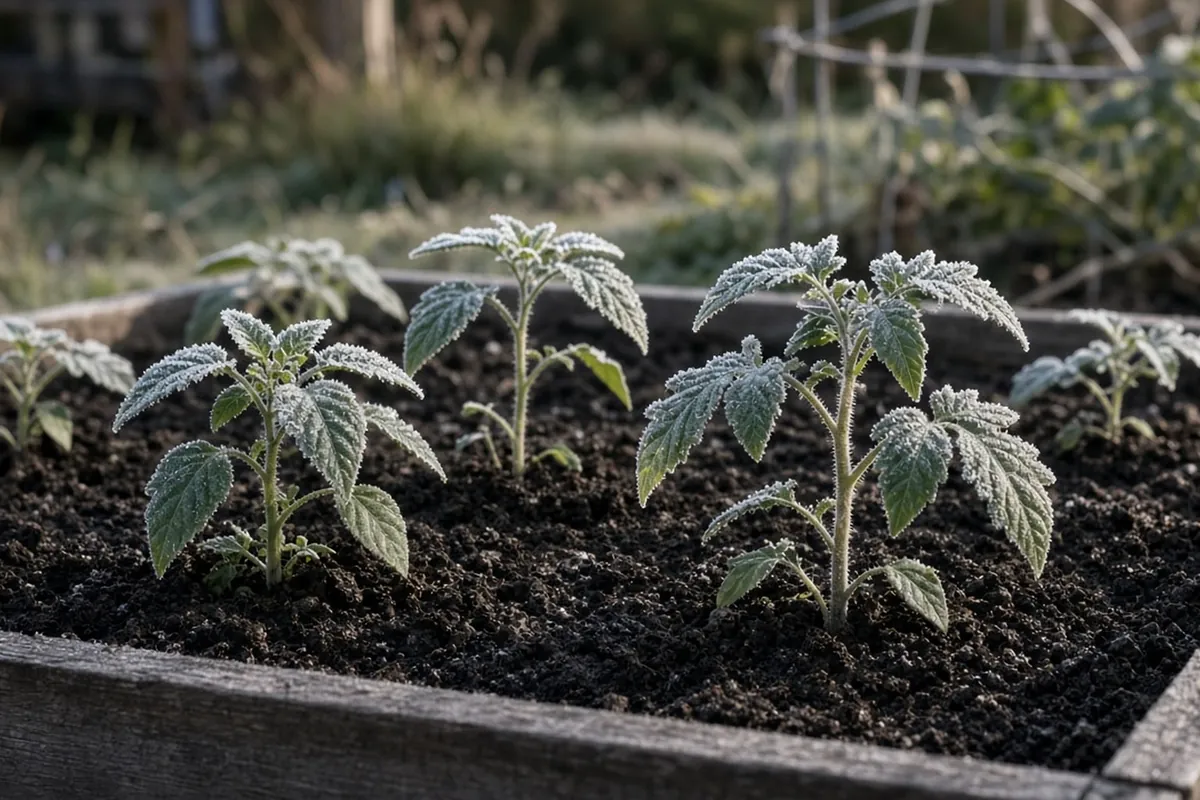 🧰 Problem solverIt froze after the last frost date: how to read the oddsA last frost date is a coin flip, not a promise. How NOAA's 50% and 1 in 10 dates work, how to pick the right station, and which date to plan around.Read the guide
 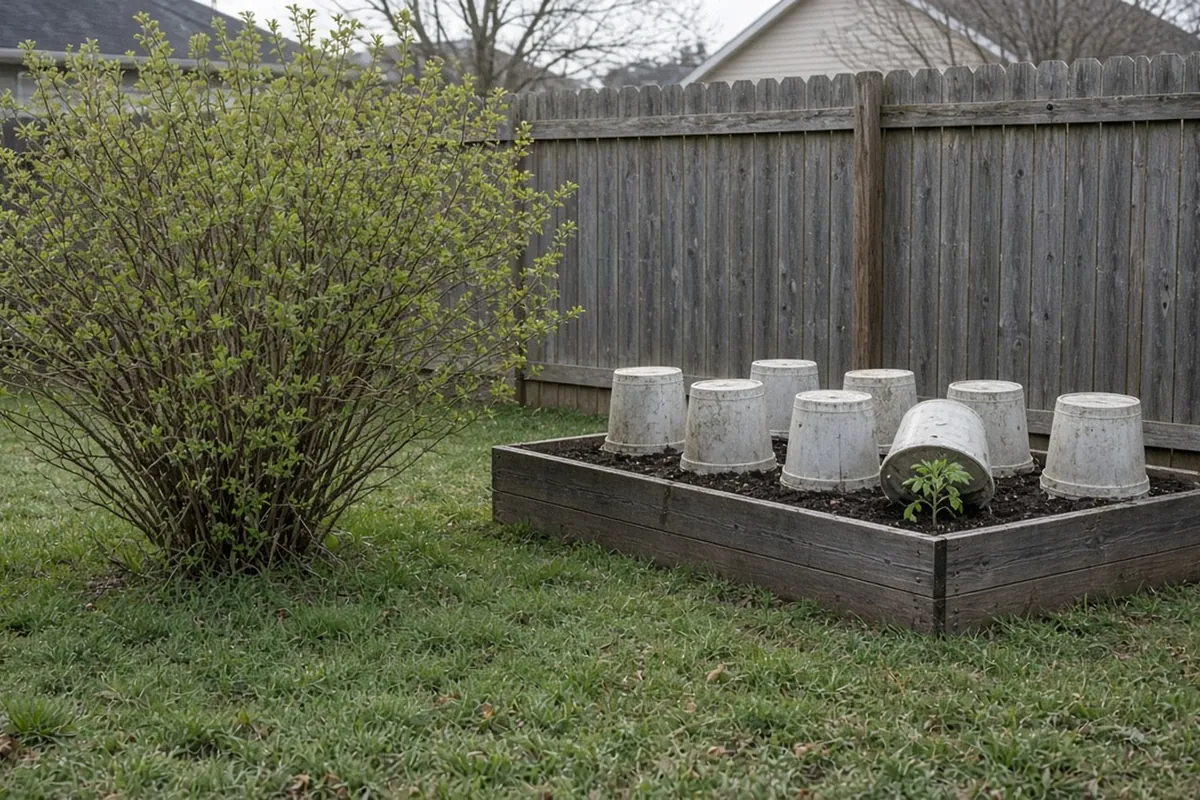 📘 Know-howZone vs frost date: two different numbers for one gardenYour USDA zone and your frost dates answer different questions. See why two towns in the same zone can be 50 days apart, and which number to use when.Read the guide
Common questions
Questions
What is my first frost date by zip code?
Type your zip code into the frost date lookup. It shows the typical first fall frost and the earlier 1 in 10 date at the three nearest NOAA stations. For zip code 43215 those are October 24 and October 13.
Source: NOAA 1991-2020 U.S. Climate Normals, annual/seasonal, checked October 7, 2026.
Which last frost date should I plant by?
Hardy seedlings can go by the typical date. Tender transplants are safer held to the 1 in 10 date, since a freeze still comes after the typical date in about half of springs. Either way, check the forecast that week.
Source: NOAA 1991-2020 annual/seasonal normals documentation, checked October 7, 2026.
How do I count "6 weeks before the last frost"?
Count 42 days back from your last spring frost date. From April 20 that's March 9. If you plan by the later 1 in 10 date, May 7, it's March 26.
Why does my frost date differ from my neighbor's chart?
Charts often use one station for a whole area, older 1981 to 2010 normals, or one date per zone. The lookup uses the 1991 to 2020 normals at the three stations nearest your zip code.
Source: NOAA 1991-2020 U.S. Climate Normals, annual/seasonal, checked October 7, 2026.
How often should I redo the card?
The NOAA dates change only when NOAA publishes new 30-year normals. What changes each year is your own log line, which over time shows how your yard compares with the station.
Source: NOAA 1991-2020 annual/seasonal normals documentation, checked October 7, 2026.
The next job on the shelf
More garden systems
 7 steps🧭 SystemRefresh border mulch: measure each bed, then buy only the gapMeasure the old layer in every bed before you order. One example yard needs 23 bags of 2 cu ft, not 45. The steps, the 3 inch limit and a free mulch record.Open the system
  7 steps🧭 SystemTurn fall leaves into bed cover and mulch, and keep a tally of the bagsWhat to do with fall leaves: mow a thin layer into the lawn, shred the rest and spread 2 to 3 inches on beds. Free leaf haul tally to print.Open the system
  6 steps🧭 SystemFall raised bed reset: clear, top up and cover for winterPut a raised bed to bed in fall: clear finished plants, measure how far the soil sank, top it up with compost and cover it with leaves. Free checklist.Open the system
Sources
- U.S. Climate Normals (1991-2020), annual/seasonal normals by station, NOAA National Centers for Environmental Information (NCEI). Checked October 7, 2026.
- 1991-2020 U.S. Climate Normals documentation: Annual/Seasonal Normals, NOAA National Centers for Environmental Information (NCEI). Checked October 7, 2026.
- 2023 USDA Plant Hardiness Zone GIS Datasets, PRISM Group, Oregon State University (for USDA). Checked October 6, 2026.
- Gazetteer Files: 2023 ZIP Code Tabulation Areas, U.S. Census Bureau. Checked October 7, 2026.
Planning guide, not a guarantee. See every source on the site on the sources page. Spotted an error? Tell us.