❄️ ZonesFree toolPrintable record
Frost date lookup by zip code
Quick answer
Type a zip code and the tool finds the nearest NOAA weather stations and reads their 1991 to 2020 freeze dates: the last 32°F night in spring and the first one in fall. For zip code 43215 (Columbus, Ohio), the nearest station's typical last spring frost is April 20 and its typical first fall frost is October 24. In 1 year out of 10, spring frost comes after May 7 and fall frost before October 13.
Source: NOAA 1991-2020 U.S. Climate Normals, annual/seasonal, checked October 7, 2026; NOAA 1991-2020 annual/seasonal normals documentation, checked October 7, 2026.

Frost date lookup by zip code
Change any number and the answer updates as you type.
Zip code 43215, nearest NOAA stationCOLUMBUS WCMH, OH4.1 mi away, 740 ft above sea level, 10 years of NOAA record
- Last spring frost, typical
- April 20
- Later than this 1 year in 10
- May 7
- First fall frost, typical
- October 24
- Earlier than this 1 year in 10
- October 13
- Days between the typical dates
- 187
Past both 1 in 10 datesBetween the typical and 1 in 10 dates
| Station | Distance | Height | Last spring | First fall |
|---|---|---|---|---|
| COLUMBUS WCMH, OH | 4.1 mi | 740 ft | Apr 20 | Oct 24 |
| COLUMBUS-VALLEY CROSSING, OH | 6.5 mi | 760 ft | Apr 23 | Oct 19 |
| COLUMBUS PORT COLUMBUS INTL AP, OH | 7.2 mi | 810 ft | Apr 18 | Oct 27 |
"Typical" is NOAA's 50% date for a 32°F night, 1991 to 2020. If the stations disagree, use the one closest to your height and setting.
No garden math needed
How to use this, in plain words
Type the five-digit zip code where the garden is.
Look at the station the tool picked: how far away it is and how high it sits. If one of the other two is closer to your height or setting, read that one instead.
Note two dates for each season: the typical one and the 1 in 10 one. The 1 in 10 date is the cautious choice for tender plants.
Print the frost date card, copy the NOAA dates onto it, and add the frosts you actually see each year.
Source: NOAA 1991-2020 annual/seasonal normals documentation, checked October 7, 2026.
What the store won't tell you
Before you start
- The dates are for a 32°F night at the station, not a forecast. Check the weather forecast before planting out, whatever the calendar says.
- The typical date is a coin flip. In about half of springs, a freezing night still comes after it.
- Cold air settles in low ground, so a yard in a dip, near a creek or out in the open can frost before the station reads freezing.
- Seed packets and plant tags often say "after the last frost." That means your local date, not one printed for the whole country.
Source: NOAA 1991-2020 annual/seasonal normals documentation, checked October 7, 2026.
Go deeper: It froze after the last frost date: how to read the odds · Zone vs frost date: two different numbers for one garden · What your USDA zone does and doesn't tell you · When to plant garlic in zones 6 to 7, read from your frost date · When to plant garlic in zones 3 to 5: one to two weeks after the first frost · Do garlic cloves need pre-chilling in zones 8 to 10? · When to plant tulip bulbs in zones 6 to 7 · When to plant tulip bulbs in zones 3 to 5 · Pre-chilling tulip bulbs for a warm winter · When to plant tulip bulbs in zones 8 to 10 · One corner of the yard frosts first: find and fix a frost pocket · Microclimates in one yard: find the warm and cold spots
The formula, in words
How it works
- The tool places your zip code at the center point the Census Bureau lists for that zip code area.
- It measures the distance to every NOAA climate normals station in the US and Puerto Rico and keeps the three nearest within 100 miles. Distance uses the great-circle formula with an Earth radius of 6,371 km.
- For each station it shows NOAA's dates for a 32°F night: the 50% date, which is the typical one, and the 10% dates, which mark the late spring and early fall edges.
- Days between the typical dates = first fall date minus last spring date, counted on a 365-day calendar.
Source: Census 2023 Gazetteer, ZIP Code Tabulation Areas, checked October 7, 2026; NASA, Solar System Sizes, checked October 7, 2026; NOAA 1991-2020 U.S. Climate Normals, annual/seasonal, checked October 7, 2026; NOAA 1991-2020 annual/seasonal normals documentation, checked October 7, 2026.
Printable sheet
What to record
NOAA's dates are a starting point. The printable frost date card puts them at the top, with one row per year below for the frosts you actually see in your yard:
- Year
- Last spring frost you saw
- First fall frost you saw
- Low you read, and where (bed, porch, low spot)
- What you covered or brought in
- Notes for next year
Checked by hand
Worked example
Zip code 43215, downtown Columbus, Ohio.
- Zip code 43215 starts with 43, so the tool opens the 43 file and finds the three NOAA stations nearest the zip code's center. The closest is COLUMBUS WCMH, OH, 4.1 miles away at 740 feet.
- NOAA's 50% date for the last 32°F night in spring there is April 20. In 1 year out of 10, a freezing night still comes after May 7.
- NOAA's 50% date for the first 32°F night in fall is October 24. In 1 year out of 10, it comes before October 13.
- From April 20 to October 24 is 187 days: the typical frost-free season.
Why it may not match the bag or the store
If the answer surprises you
❓
The dates differ from a seed catalog chart
Some charts were made from the older 1981 to 2010 normals, or from one airport for a whole region. This tool uses the 1991 to 2020 normals at the stations nearest your zip code.
Source: NOAA 1991-2020 U.S. Climate Normals, annual/seasonal, checked October 7, 2026.
❓
The nearest station says no date
NOAA leaves the date empty when it has too few values to compute one. Look at the other two stations in the table.
Source: NOAA 1991-2020 annual/seasonal normals documentation, checked October 7, 2026.
❓
Frost came after the date anyway
That's expected about half the time for the typical date and about 1 year in 10 for the cautious one. Write it on the card: a few years of notes show how your yard runs.
Source: NOAA 1991-2020 annual/seasonal normals documentation, checked October 7, 2026.
Other cases
Variants
🟫
Warm places with no 32°F date
In parts of Florida, southern California, Hawaii and Puerto Rico, NOAA lists no 32°F date for many stations and flags them as "insufficient values to perform computation." The tool says so and shows the next nearest stations, which may still have dates.
Source: NOAA 1991-2020 annual/seasonal normals documentation, checked October 7, 2026.
⭕
Mountain and far-north stations
Some high or far-north stations carry NOAA's flag for a year-round risk of frost, so they have no frost-free season to show. Alaska stations with dates are included like any others.
Source: NOAA 1991-2020 annual/seasonal normals documentation, checked October 7, 2026.
🔁
When the first fall frost lands in January
In warm places the typical first freeze can come after New Year's, and the last spring one can come in December. The tool marks those dates "the next year" or "the year before."
Source: NOAA 1991-2020 U.S. Climate Normals, annual/seasonal, checked October 7, 2026.
Where each figure comes from
Numbers this tool uses
- 1991 to 2020Years averaged (NOAA)NOAA 1991-2020 U.S. Climate Normals, annual/seasonal, October 7, 2026
- 32°F night-time lowTemperature usedNOAA 1991-2020 annual/seasonal normals documentation, October 7, 2026
- 10% to 90%, in steps of 10Probabilities NOAA publishes for each dateNOAA 1991-2020 annual/seasonal normals documentation, October 7, 2026
- About 6,900Stations with 32°F frost dates (NOAA, US and Puerto Rico)NOAA 1991-2020 U.S. Climate Normals, annual/seasonal, October 7, 2026
- 33,791Zip code areas covered (Census 2023)Census 2023 Gazetteer, ZIP Code Tabulation Areas, October 7, 2026
- April 20, October 24Example: zip code 43215, nearest station, typical last spring and first fall frost (NOAA)NOAA 1991-2020 U.S. Climate Normals, annual/seasonal, October 7, 2026
Limitations
- Planning guide, not a guarantee; frost dates are 1991 to 2020 station averages, and any spring or fall can run earlier or later.
- A station a few miles away can sit higher, lower, nearer water or in a city. Your yard can differ from it, so compare the three stations and keep your own record.
- A 32°F reading at a weather station is not the same as frost on your plants. Low spots and open lawns can frost while the station stays above freezing.
- If a zip code isn't in the Census zip code area list, the tool says so instead of guessing from a neighbor.
What people learn the second year
Tips and tricks
- Check the station height. The table lists each station's height. If your yard sits a few hundred feet above or below the nearest one, read the station that matches it better.
- Use the later spring date for tender plants. The 1 in 10 spring date costs you a week or two of season and saves the plants you spent weeks raising. (NOAA 1991-2020 annual/seasonal normals documentation)
- Count fall plans back from the early date. For bringing pots in or finishing a harvest, count back from the 1 in 10 fall date, not the typical one. (NOAA 1991-2020 annual/seasonal normals documentation)
- Keep the card by the door. Copy the dates onto the printable card and add each year's real frosts. After a few seasons, your notes show how your yard compares with the station.
Read before the store run
Guides that go deeper
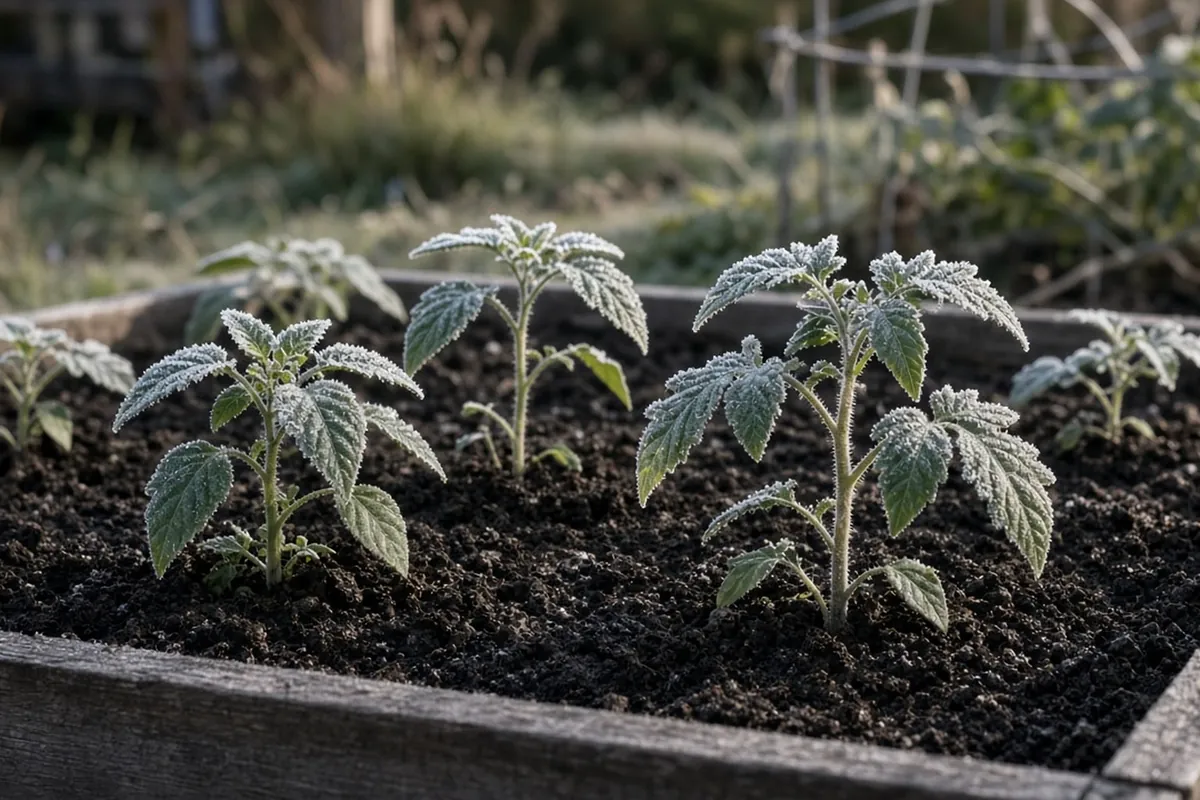 🧰 Problem solverIt froze after the last frost date: how to read the oddsA last frost date is a coin flip, not a promise. How NOAA's 50% and 1 in 10 dates work, how to pick the right station, and which date to plan around.Read the guide
 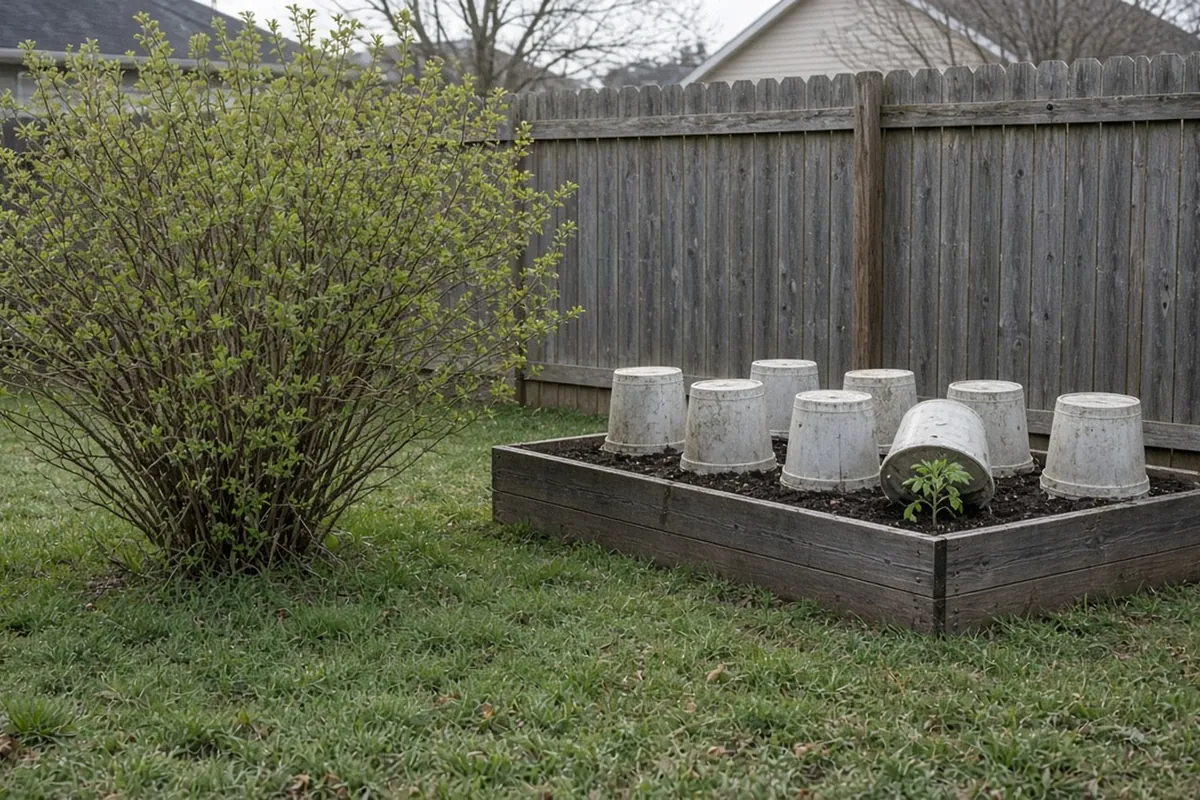 📘 Know-howZone vs frost date: two different numbers for one gardenYour USDA zone and your frost dates answer different questions. See why two towns in the same zone can be 50 days apart, and which number to use when.Read the guide
 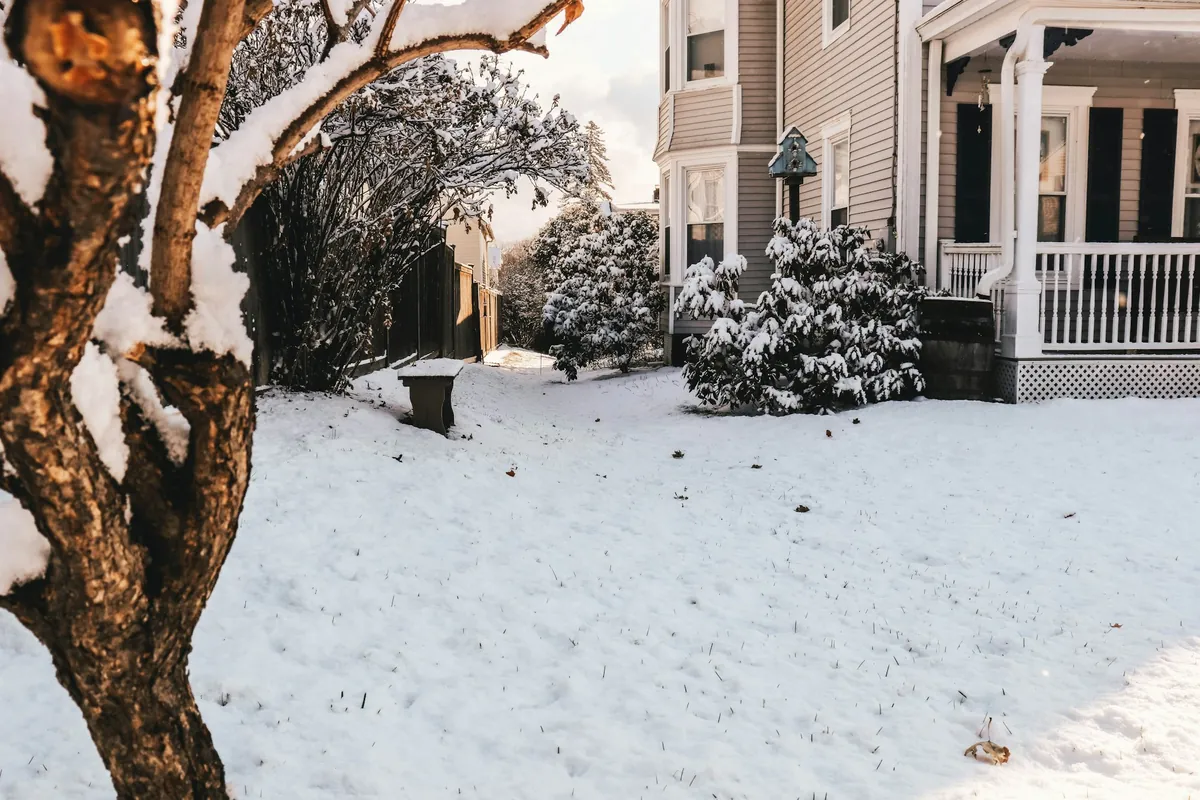 📘 Know-howWhat your USDA zone does and doesn't tell youYour hardiness zone is one number: the average coldest winter night. What it covers, what it leaves out, and why many zones moved in 2023.Read the guide
 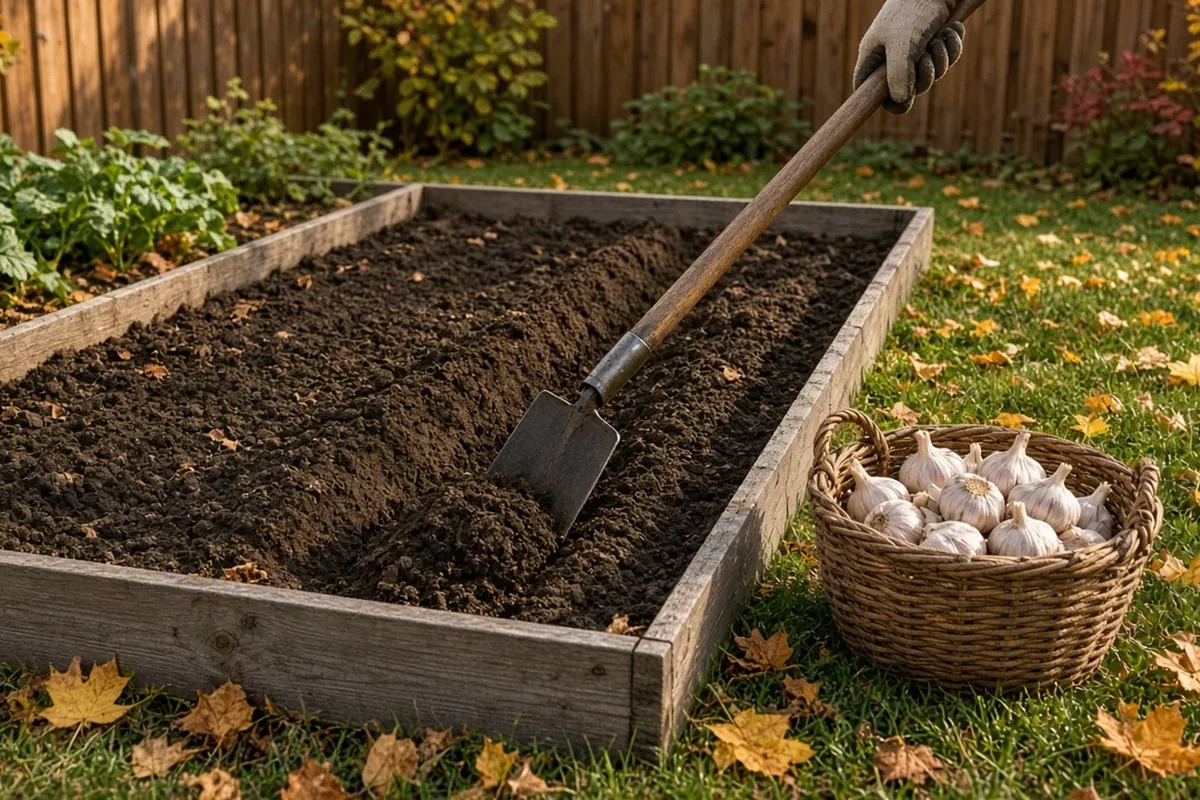 🧰 Problem solverWhen to plant garlic in zones 6 to 7, read from your frost dateExtension pages for zones 6 to 7 say October, mostly mid-October. See how that lines up with your first fall frost and when to go earlier or later.Read the guide
 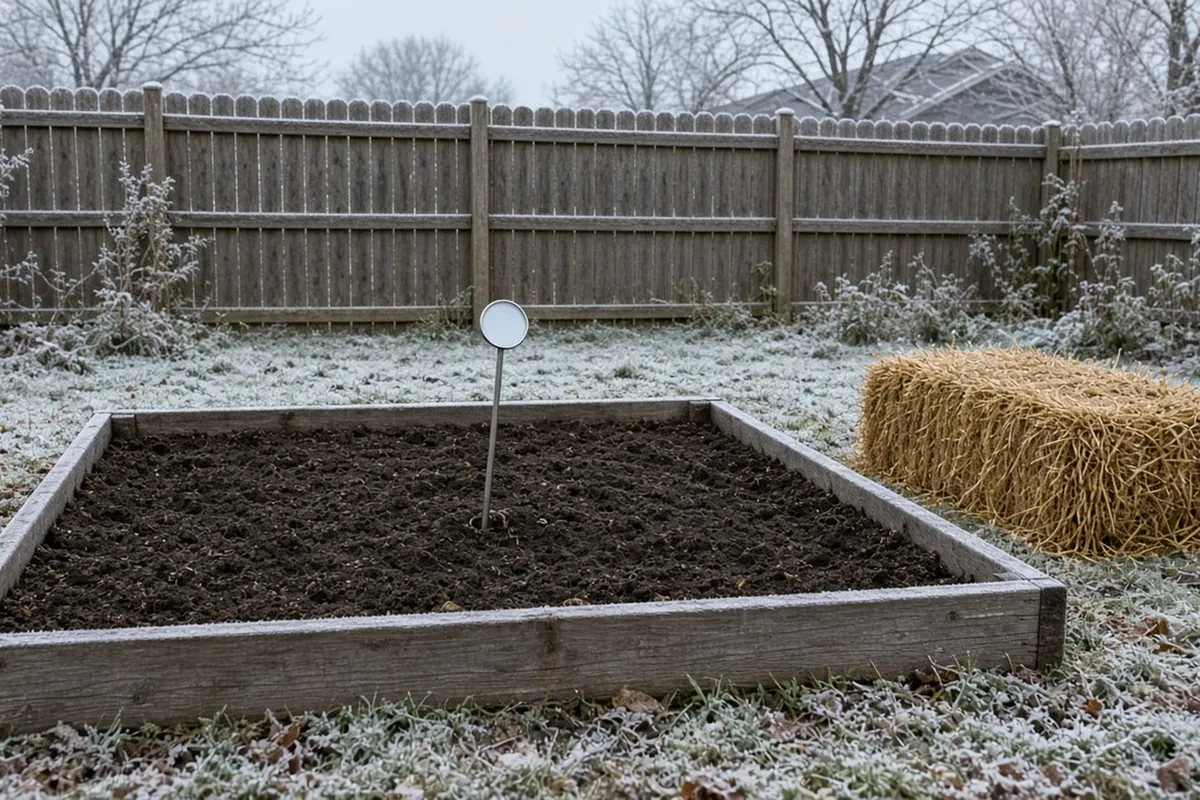 🧰 Problem solverWhen to plant garlic in zones 3 to 5: one to two weeks after the first frostMinnesota and Wisconsin Extension say to plant garlic a week or two after the first killing frost. Find your frost date and turn it into a planting week.Read the guide
 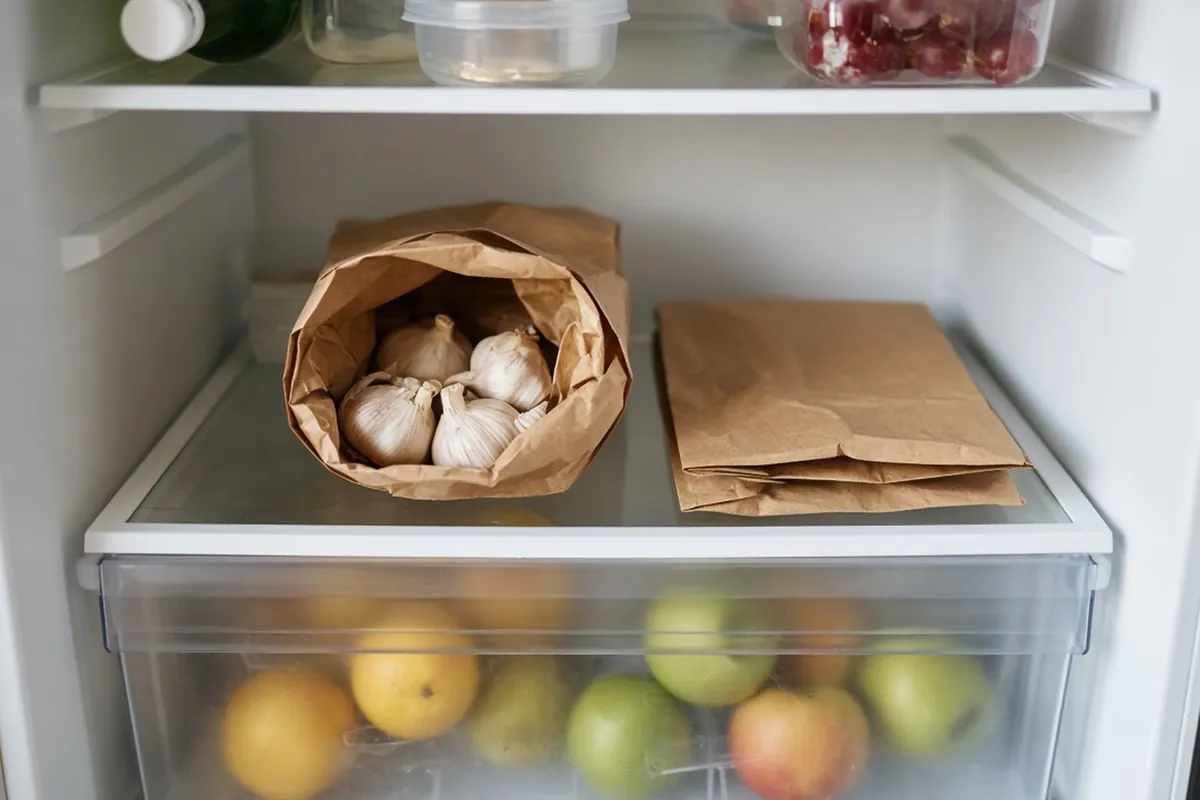 📘 Know-howDo garlic cloves need pre-chilling in zones 8 to 10?Garlic needs 6 to 8 weeks below 40°F before it bulbs. Here is what Texas, Georgia and Arizona extension pages say, and when a fridge chill is worth a test.Read the guide
 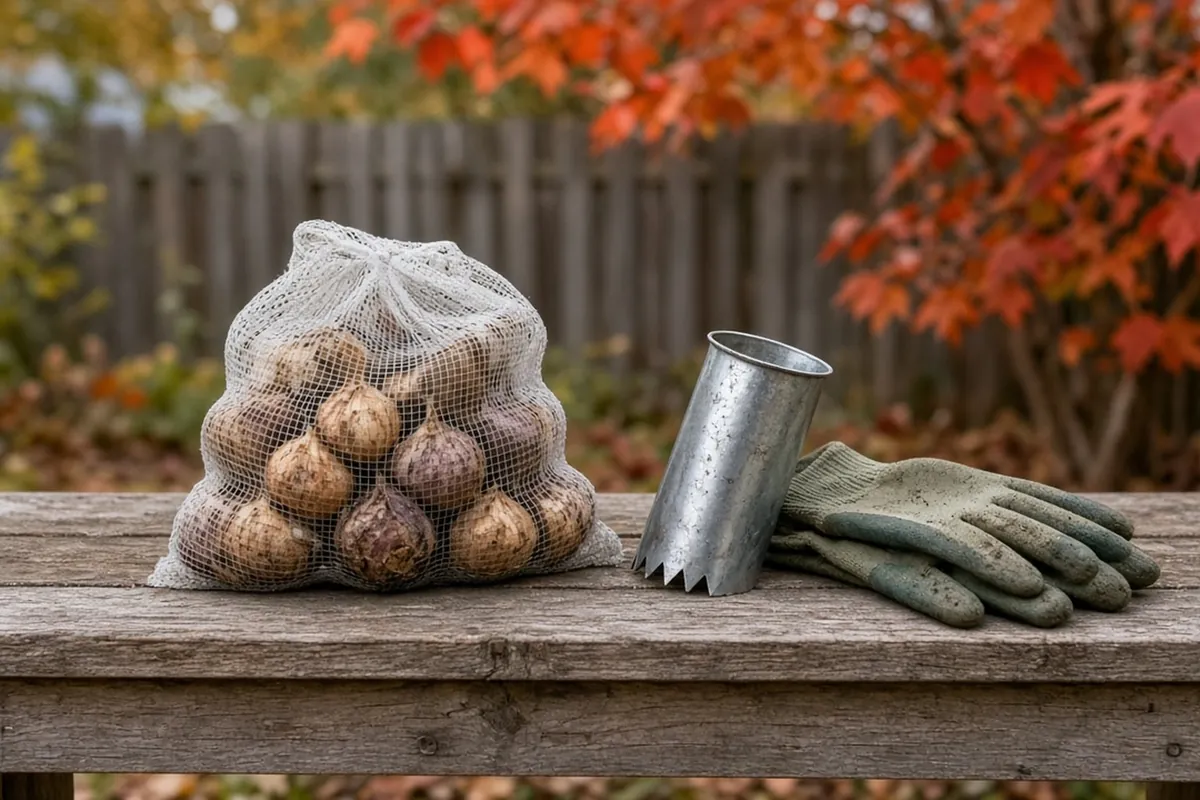 🧰 Problem solverWhen to plant tulip bulbs in zones 6 to 7Extension pages for zones 6 to 7 put tulips and daffodils in from late September to Thanksgiving. Match the week to your first fall frost and the cold.Read the guide
 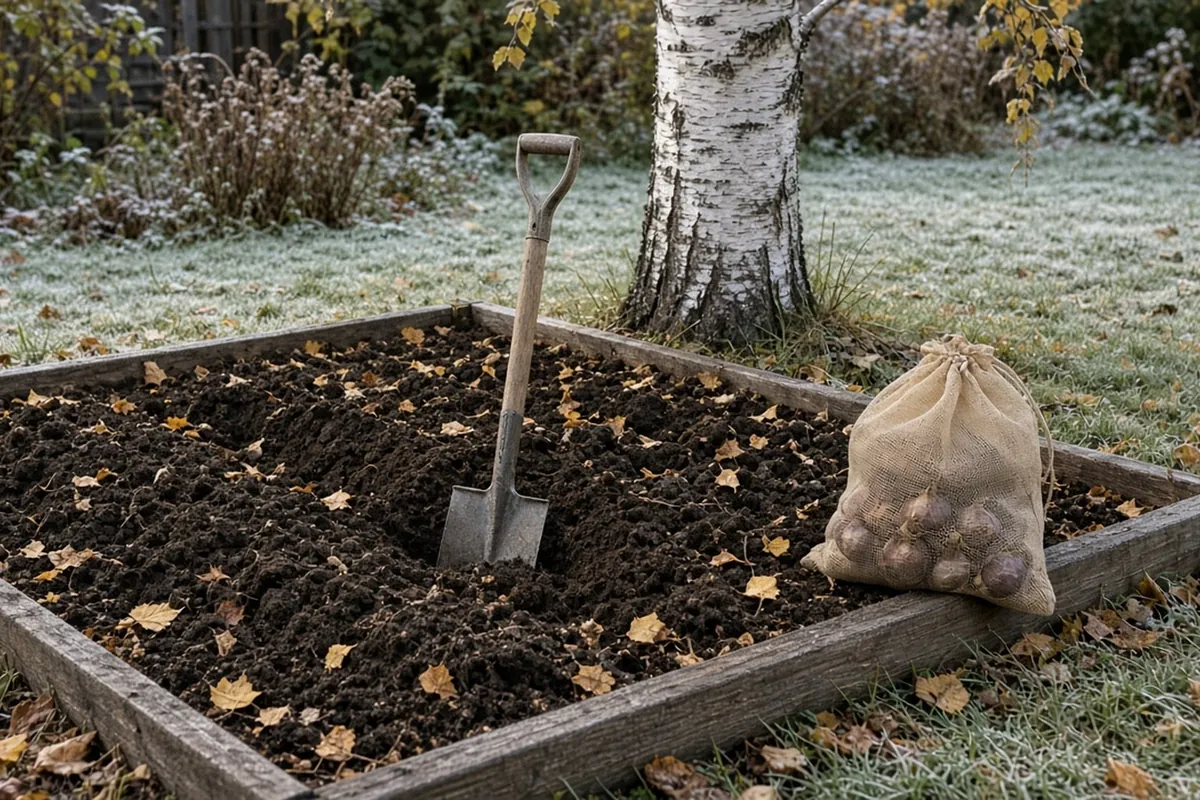 🧰 Problem solverWhen to plant tulip bulbs in zones 3 to 5Minnesota Extension says mid-September to mid-October, near your first frost. Tulips can go in later, as long as you can still dig.Read the guide
  📘 Know-howPre-chilling tulip bulbs for a warm winterWarm-zone extension pages chill tulip bulbs in the fridge for 6 to 10 weeks or longer. Count back from your planting day and keep fruit out of that fridge.Read the guide
  🧰 Problem solverWhen to plant tulip bulbs in zones 8 to 10Warm-zone extension pages plant chilled tulips from Halloween to early January. See the window for your area and why planting later beats planting early.Read the guide
  🧰 Problem solverOne corner of the yard frosts first: find and fix a frost pocketFrost in the low corner but not by the house? Cold air drains downhill on still nights. How to find a frost pocket, open it up and plant around it.Read the guide
  📘 Know-howMicroclimates in one yard: find the warm and cold spotsOne zone covers your whole street. Find the warm walls, cold corners and shady strips in your own yard, and log what each spot does.Read the guide
Common questions
Questions
When is the last frost in my area?
Type your zip code into the tool above. It shows the typical last 32°F night in spring for the nearest NOAA stations, plus the later date that 1 spring in 10 still reaches.
Source: NOAA 1991-2020 annual/seasonal normals documentation, checked October 7, 2026.
What does "1 year in 10" mean here?
NOAA publishes each frost date at several probabilities. At the 10% spring date, a freezing night still comes later in about 1 year out of 10. At the 10% fall date, the first one has already come in about 1 year out of 10.
Source: NOAA 1991-2020 annual/seasonal normals documentation, checked October 7, 2026.
Why do the three stations give different dates?
Each station sits at its own height and setting: a hilltop, a valley, a lakeshore or a city center. For zip code 43215, the three nearest stations put the typical first fall frost anywhere from October 19 to October 27, so pick the station most like your yard.
Source: NOAA 1991-2020 U.S. Climate Normals, annual/seasonal, checked October 7, 2026.
Is my frost date the same as my USDA zone?
No. The zone comes from the coldest winter night on average. Frost dates mark when freezing nights stop in spring and start in fall. Two places in the same zone can have different frost dates.
Source: USDA Plant Hardiness Zone Map (2023), checked October 6, 2026.
More for the same garden
Related tools
- 🌡️ LookupUSDA zone finder by zip codeFind your 2023 USDA plant hardiness zone by zip code, see its winter low band in °F and °C, and check a plant tag's zone range against it.Open the tool
- 🏺 CalculatorContainer soil calculatorHow much potting mix to buy for round pots, square planters and window boxes: quarts, cubic feet and bag counts, filled an inch below the rim.Open the tool
- 🪴 CalculatorRaised bed soil calculatorHow much soil fills a raised bed: cubic feet, cubic yards and a bag count for 1.5 or 2 cu ft bags, from the bed's length, width and depth.Open the tool
- 🧄 CalculatorGarlic and bulb planting calculatorHow many garlic cloves or spring bulbs fit a bed or a row, how many heads to buy, and how deep to plant them, from extension spacing figures.Open the tool
- 🗺️ SectionAll zones toolsFind your 2023 USDA hardiness zone and your NOAA frost dates by zip code, with a printable hardiness log and a frost date card.See the section
Sources
- U.S. Climate Normals (1991-2020), annual/seasonal normals by station, NOAA National Centers for Environmental Information (NCEI). Checked October 7, 2026.
- 1991-2020 U.S. Climate Normals documentation: Annual/Seasonal Normals, NOAA National Centers for Environmental Information (NCEI). Checked October 7, 2026.
- Gazetteer Files: 2023 ZIP Code Tabulation Areas, U.S. Census Bureau. Checked October 7, 2026.
- Solar System Sizes, NASA Science. Checked October 7, 2026.
- 2023 USDA Plant Hardiness Zone Map, USDA Agricultural Research Service. Checked October 6, 2026.
See every source on the site on the sources page. Spotted an error? Tell us.