✅ ChecklistZones5 min read
First fall frost: a job list counted back from your frost date
Quick answer
Look up two dates: the typical first fall frost and the early one, which comes this soon only 1 year in 10. Count crops back from the typical date: days to harvest plus Nebraska Extension's 14-day fall factor. Bring houseplants in when nights dip to about 50°F. Have covers ready by the early date.
Source: NOAA 1991-2020 U.S. Climate Normals, annual/seasonal, checked October 7, 2026; Nebraska Extension G1343, Fall Vegetable Gardening, checked October 17, 2026; Iowa State Extension, bringing houseplants back indoors, checked October 17, 2026.

Two dates
Look up two dates
The frost lookup reads NOAA's 1991 to 2020 station normals for the stations near your zip code. For the first fall frost it gives a typical date, when half of past years had frozen by then, and an early date, which only 1 year in 10 beat. Planting counts use the typical date. Jobs that protect plants go by the early date.
Source: NOAA 1991-2020 U.S. Climate Normals, annual/seasonal, checked October 7, 2026; NOAA 1991-2020 annual/seasonal normals documentation, checked October 7, 2026.
| Zip code | Nearest station | Early (1 in 10) | Typical |
|---|---|---|---|
| 55108, St. Paul, MN | U of MN St. Paul, 0.6 mi | September 25 | October 8 |
| 43215, Columbus, OH | Columbus WCMH, 4.1 mi | October 13 | October 24 |
| 27530, Goldsboro, NC | Goldsboro Ag 1 N, 4.6 mi | November 1 | November 12 |
First fall 32°F dates from the frost lookup. Your own zip code may use a different station.
Source: NOAA 1991-2020 U.S. Climate Normals, annual/seasonal, checked October 7, 2026.
Count back
The last day to plant a fall crop
Nebraska Extension's fall gardening guide counts back from the first expected fall frost. Add the days from seeding or setting out to harvest, the days to grow your own transplants if you start them, the length of the harvest, and a fall factor of about 14 days for slower growth in cool, short days. Frost-tender crops like corn, beans, cucumbers, tomatoes and squash get another 14 days, because they need to mature two weeks before frost.
Source: Nebraska Extension G1343, Fall Vegetable Gardening, checked October 17, 2026.
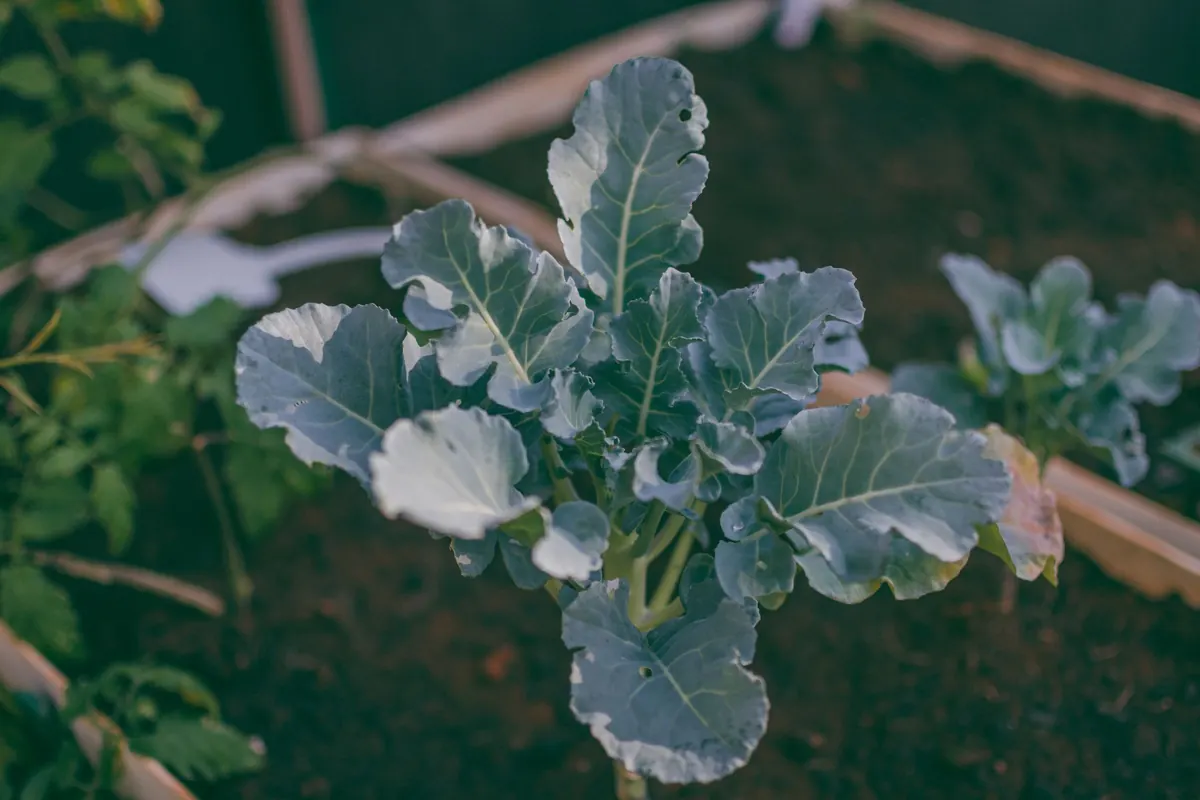
Take broccoli rated 50 days from transplanting, like the De Cicco example in South Dakota State's variety guide. Add the fall factor: 64 days. Counted back from the typical date, that puts the last day to set out transplants at August 5 in St. Paul, August 21 in Columbus and September 9 in Goldsboro. Nebraska lists broccoli as hardy, so it needs no frost-tender days.
Source: SDSU Extension, Choosing Vegetable Varieties for Your Area, checked October 17, 2026; Nebraska Extension G1343, Fall Vegetable Gardening, checked October 17, 2026; NOAA 1991-2020 U.S. Climate Normals, annual/seasonal, checked October 7, 2026.
- 14 daysNebraska's fall factor, added to days to harvestNebraska Extension G1343, Fall Vegetable Gardening, October 17, 2026
- about 50°Fnights when houseplants come back inIowa State Extension, bringing houseplants back indoors, October 17, 2026
- up to 10°Fof frost protection from a floating row coverCSU Extension, Frost Protection and Extending the Growing Season, October 17, 2026
- 1 in 10years the frost comes by the early dateNOAA 1991-2020 annual/seasonal normals documentation, October 7, 2026
The list
The jobs, in the order they come due
Write down both dates
Look up your zip code and note the early and typical first frost. Write them on the calendar and on this checklist.
Source: NOAA 1991-2020 U.S. Climate Normals, annual/seasonal, checked October 7, 2026.
Set the last planting day
For each fall crop: days to harvest + 14, plus 14 more if it's frost tender, counted back from the typical date.
Source: Nebraska Extension G1343, Fall Vegetable Gardening, checked October 17, 2026.
Bring houseplants in
Iowa State says to bring them in when nights dip to about 50°F. Minnesota Extension says damage can start below 45 to 50°F, depending on the plant. Watch the forecast, not the calendar.
Source: Iowa State Extension, bringing houseplants back indoors, checked October 17, 2026; UMN Extension, when to bring houseplants inside, checked October 17, 2026.
Gather covers
Have sheets, blankets or frost cloth, plus stakes and bricks, in one place before the early date. Old blankets work as well as anything you'd buy.
Source: UGA Extension, frost preparedness, checked October 17, 2026; UF/IFAS EDIS ENH1/MG025, Cold Protection of Landscape Plants, checked October 17, 2026.
Group the pots that stay out
Push outdoor pots together before a freeze so the sides shelter each other, and mulch around them.
Source: UF/IFAS EDIS ENH1/MG025, Cold Protection of Landscape Plants, checked October 17, 2026.
Log the real frost
Write down the night it actually froze in your yard. After a few years you'll know how your yard compares with the station.
Frost night
How to cover plants on a frost night
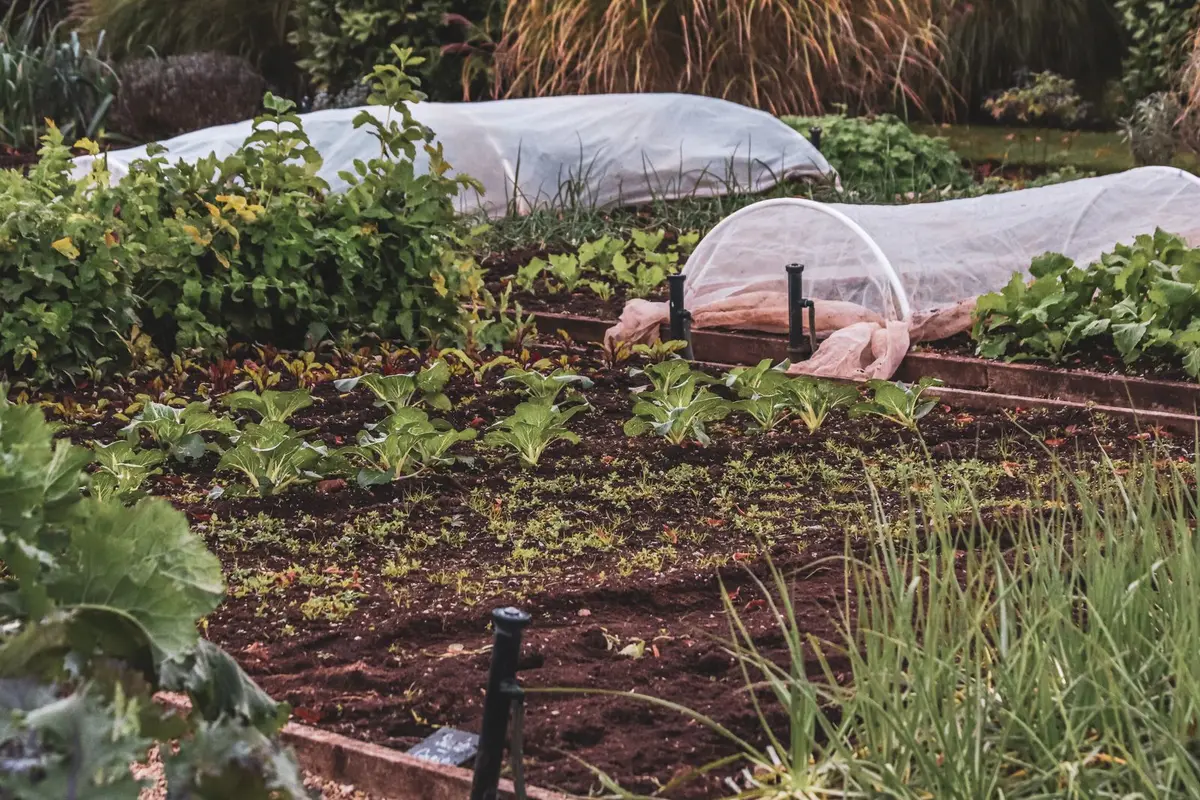
First frosts tend to come on clear, still nights, when the ground loses heat fast. Nebraska Extension says a cover keeps the ground's heat around the plants. UGA Extension says to put covers on before sunset to keep in the heat stored in the soil, and take them off in the morning.
Source: Nebraska Extension G1343, Fall Vegetable Gardening, checked October 17, 2026; UGA Extension, frost preparedness, checked October 17, 2026; CSU Extension, Frost Protection and Extending the Growing Season, checked October 17, 2026.
UF/IFAS says the cover should not rest on the leaves and must reach the ground to trap that heat, weighted with rocks or bricks if it's windy. Colorado State says to hold covers up off the plants, since plants can freeze where they touch it, and to keep sheets and blankets dry.
Source: UF/IFAS EDIS ENH1/MG025, Cold Protection of Landscape Plants, checked October 17, 2026; CSU Extension, Frost Protection and Extending the Growing Season, checked October 17, 2026.
Print it, tick it off
First frost job list
Fill in the dates from the frost lookup first, then tick each job off as it's done.
- Zip code, station, and the early and typical first frost dates
- Each fall crop: days to harvest + 14 (+ 14 if frost tender), and the last planting date
- Houseplants and tender pots in when nights dip to about 50°F
- Covers, stakes and bricks in one place before the early date
- Outdoor pots pushed together and mulched
- Frost night: covers on before sunset, edges to the ground
- Morning: covers off, and the date of the first real frost logged
What people learn the second year
Tips and tricks
- Keep covers dry. Colorado State says wet fabric can cool the plants beneath it. Store sheets indoors and put them on dry. (CSU Extension, Frost Protection and Extending the Growing Season)
- Ease houseplants back in. Minnesota Extension suggests a sunny window first, then a gradual move to their winter spot. (UMN Extension, when to bring houseplants inside)
- Check two stations. The lookup lists more than one station. If they differ by a week, plan to the earlier one.
- Mark low spots. Cold air settles in the low corners of a yard. Cover those plants first.
Common questions
Questions
When should I bring potted plants inside for winter?
Iowa State Extension says houseplants should come in when nighttime temperatures dip consistently to around 50°F. Minnesota Extension notes that damage can start below 45 to 50°F, depending on the plant.
Source: Iowa State Extension, bringing houseplants back indoors, checked October 17, 2026; UMN Extension, when to bring houseplants inside, checked October 17, 2026.
How do I work out the last planting date before the first frost?
Nebraska Extension adds the days to harvest, a fall factor of about 14 days, and 14 more for frost-tender crops, then counts that many days back from the first expected fall frost.
Source: Nebraska Extension G1343, Fall Vegetable Gardening, checked October 17, 2026.
Should I use plastic to cover plants from frost?
Not plastic sheeting laid on the plants. UGA Extension warns it traps too much heat once the sun is up. Use sheets, blankets or frost cloth held off the leaves, and take plastic covers off or vent them in the day.
Source: UGA Extension, frost preparedness, checked October 17, 2026; UF/IFAS EDIS ENH1/MG025, Cold Protection of Landscape Plants, checked October 17, 2026.
When do I take frost covers off?
In the morning. UGA says to remove them in the morning, and Colorado State says sheets and blankets must come off in the daytime so the soil can warm up again.
Source: UGA Extension, frost preparedness, checked October 17, 2026; CSU Extension, Frost Protection and Extending the Growing Season, checked October 17, 2026.
The arithmetic, done for you
Tools for this job
- ❄️ LookupFrost date lookup by zip codeFind the typical last spring and first fall frost for your zip code from NOAA 1991 to 2020 station normals, with the 1 in 10 year dates and a printable card.Open the tool
- 🗺️ SectionAll zones toolsFind your 2023 USDA hardiness zone and your NOAA frost dates by zip code, with a printable hardiness log and a frost date card.See the section
Keep reading
More guides
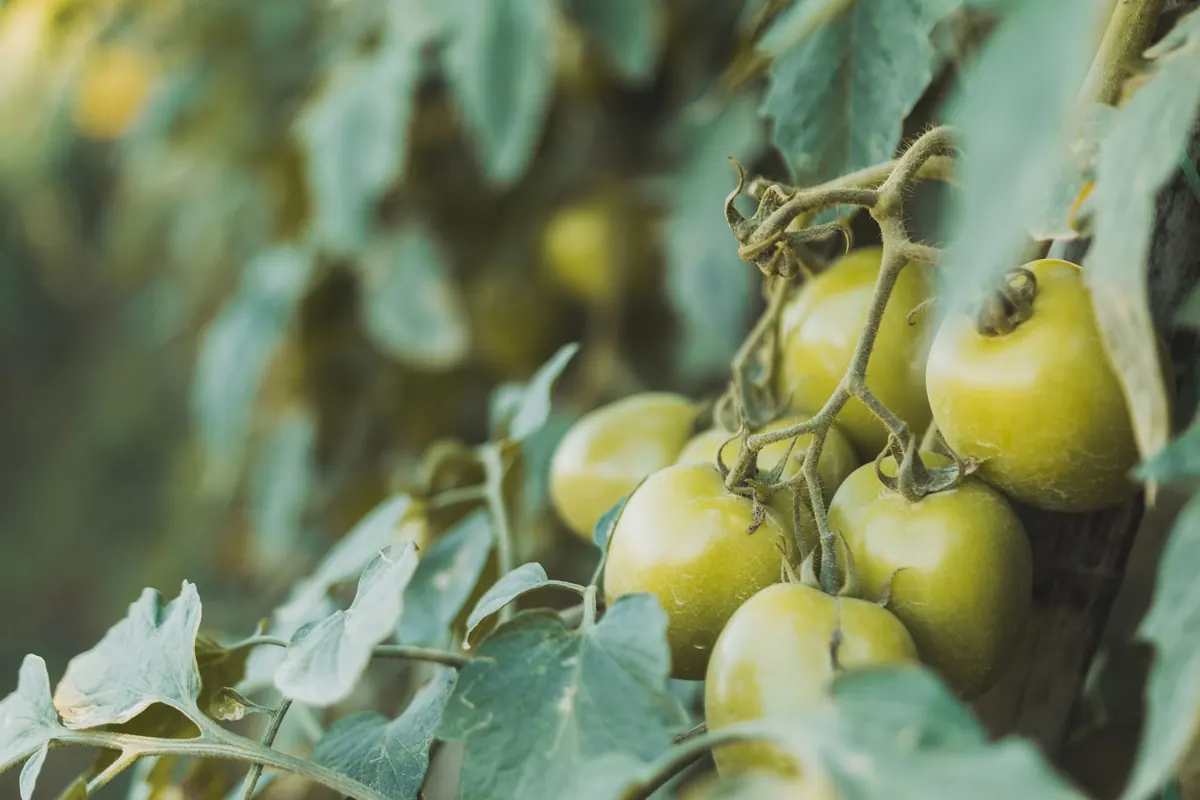 🧰 Problem solverWill it ripen before fall frost? Count the days to maturityCount from your planting-out day to the early fall frost date, then check the days to maturity against it. Worked example at two Montana stations.Read the guide
 🧰 Problem solverWhen to start seeds for a fall garden in zones 8 to 10Fall tomatoes planted too late meet the first frost before the first pick. Count back for the sow day and forward for the harvest, with Florida examples.Read the guide
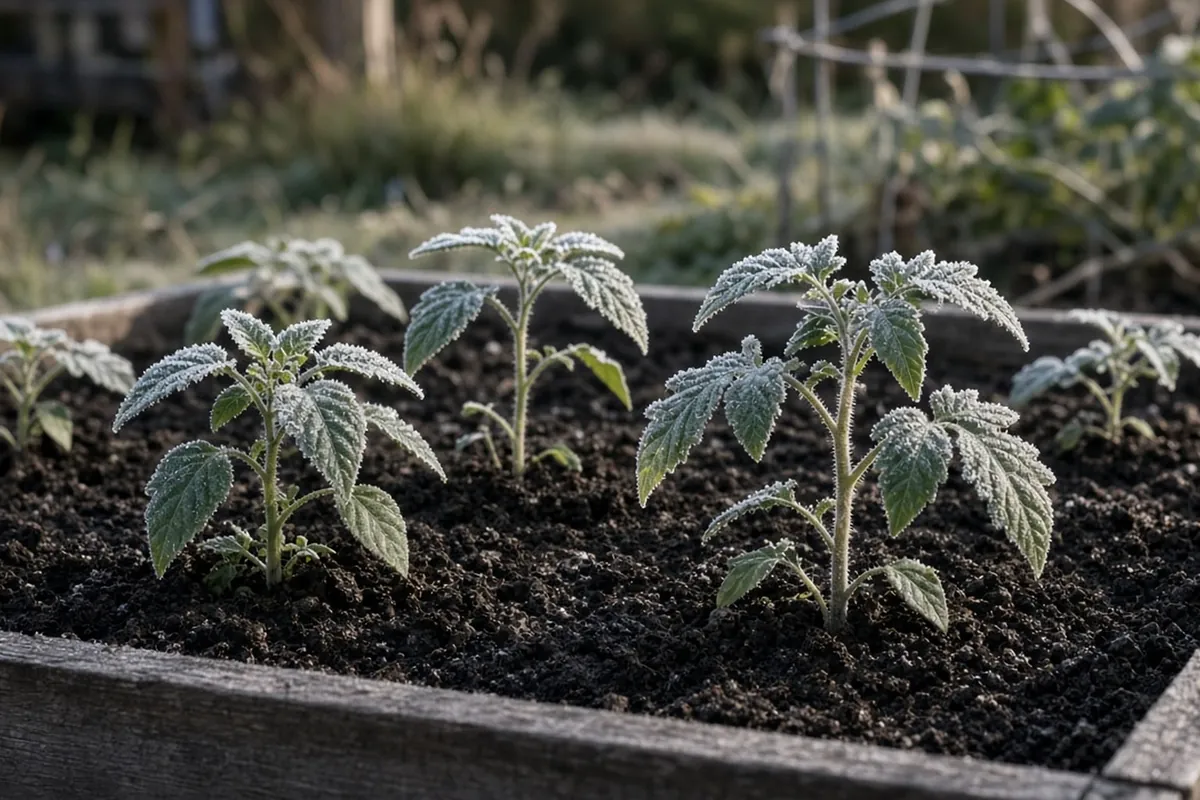 🧰 Problem solverIt froze after the last frost date: how to read the oddsA last frost date is a coin flip, not a promise. How NOAA's 50% and 1 in 10 dates work, how to pick the right station, and which date to plan around.Read the guide
Sources
- U.S. Climate Normals (1991-2020), annual/seasonal normals by station, NOAA National Centers for Environmental Information (NCEI). Checked October 7, 2026.
- Fall Vegetable Gardening (G1343), University of Nebraska-Lincoln Extension. Checked October 17, 2026.
- How and when do I bring my houseplants back indoors before winter?, Iowa State University Extension and Outreach, Yard and Garden, published October 1, 2026. Checked October 17, 2026.
- 1991-2020 U.S. Climate Normals documentation: Annual/Seasonal Normals, NOAA National Centers for Environmental Information (NCEI). Checked October 7, 2026.
- Choosing Vegetable Varieties for Your Area, South Dakota State University Extension, published December 4, 2018. Checked October 17, 2026.
- Frost Protection and Extending the Growing Season, Colorado State University Extension (CMG Garden Notes). Checked October 17, 2026.
- When to bring houseplants inside for the winter, University of Minnesota Extension. Checked October 17, 2026.
- Frost preparedness (UGA CAES Newswire), University of Georgia College of Agricultural and Environmental Sciences (UGA Extension news), published October 18, 2012. Checked October 17, 2026.
- Cold Protection of Landscape Plants (ENH1/MG025), University of Florida IFAS Extension (EDIS). Checked October 17, 2026.
Planning guide, not a guarantee. See every source on the site on the sources page. Spotted an error? Tell us.