🧰 Problem solverZones5 min read
When to start seeds for a fall garden in zones 8 to 10
Quick answer
Count two ways from the planting-out day: back for the sow day and forward to the first harvest, which has to land before the first fall frost. At zip 32301 (Tallahassee, zone 9a), tomatoes set out on August 1 need seeds sown June 1 to June 21. UF/IFAS gives 70 to 90 days from transplant to first harvest, so the first pick lands October 10 to October 30, ahead of NOAA's early frost date of November 3.
Source: UMaine Extension Bulletin #2751, Starting Seeds at Home, checked October 17, 2026; UF/IFAS SP 103 (VH021), Florida Vegetable Gardening Guide, checked October 18, 2026; NOAA 1991-2020 U.S. Climate Normals, annual/seasonal, checked October 7, 2026.

The problem
The plants went out in time, but the frost came first
In zones 8 to 10 there's a second tomato season in the fall. UF/IFAS lists tomatoes for August in North Florida and for August to September in Central Florida. Both windows end in the cold months, and UF/IFAS says tomatoes and peppers are damaged or killed by frost. A plant set out late in the window may not reach its first harvest before the first frost.
Source: UF/IFAS SP 103 (VH021), Florida Vegetable Gardening Guide, checked October 18, 2026.
So a fall plan needs two counts from the same planting-out day. Count back to find the sow day, as in spring. Then count forward with the days from transplant to first harvest, and check that the result lands before your early first frost.
The fix
Plan the fall garden in six steps
Find the fall planting months
Use your state's extension table. UF/IFAS splits Florida into North, Central and South at State Roads 40 and 70, and lists each crop's months for each part.
Source: UF/IFAS SP 103 (VH021), Florida Vegetable Gardening Guide, checked October 18, 2026.
Look up your first fall frost
Type your zip code into the frost date lookup. Write down the early (1 in 10) first frost and the 50% date for your station.
Source: NOAA 1991-2020 U.S. Climate Normals, annual/seasonal, checked October 7, 2026.
Count forward from the out day
Add the days from transplant to first harvest. UF/IFAS gives 70 to 90 days for tomatoes and 65 to 75 for peppers. The slow end should land before the early frost date.
Source: UF/IFAS SP 103 (VH021), Florida Vegetable Gardening Guide, checked October 18, 2026.
Count back for the sow day
Tomato: 6 to 12 days to sprout, then 5 to 7 weeks of growing. Pepper: 9 to 14 days, then 6 to 8 weeks. Take both numbers off the out day.
Source: UMaine Extension Bulletin #2751, Starting Seeds at Home, checked October 17, 2026.
Give cool crops their own count
UF/IFAS Duval County grows broccoli and other cool crops under lights for 4 to 6 weeks, then hardens them off for a week or two. Their beds are usually ready by October.
Source: UF/IFAS Extension Duval County, Garden Chores For Fall, checked October 18, 2026.
Write it all on one sheet
Sow day, out day, first harvest and frost date go on one line per crop. If the harvest lands past the frost line, move the out day earlier.
- 70 to 90 dtomato, transplant to first harvest (UF/IFAS)UF/IFAS SP 103 (VH021), Florida Vegetable Gardening Guide, October 18, 2026
- 65 to 75 dpepper, transplant to first harvest (UF/IFAS)UF/IFAS SP 103 (VH021), Florida Vegetable Gardening Guide, October 18, 2026
- 4 to 6 wkcool crops under lights before hardening off (UF/IFAS Duval)UF/IFAS Extension Duval County, Garden Chores For Fall, October 18, 2026
- Nov 31 in 10 early first frost at the Tallahassee station (NOAA)NOAA 1991-2020 U.S. Climate Normals, annual/seasonal, October 7, 2026
Worked example
Three fall crops in three Florida yards
Each row uses the nearest NOAA station with data and the UF/IFAS months for that part of Florida. Tallahassee and Jacksonville sit in North Florida and Tampa in Central Florida. The dates are for 2027.
Source: NOAA 1991-2020 U.S. Climate Normals, annual/seasonal, checked October 7, 2026; UF/IFAS SP 103 (VH021), Florida Vegetable Gardening Guide, checked October 18, 2026.
| Crop and yard | Sow | Out | First harvest | Early first frost |
|---|---|---|---|---|
| Tomato, 32301 Tallahassee (9a) | June 1 to June 21 | August 1 | October 10 to October 30 | November 3 |
| Tomato, 32301 Tallahassee (9a) | July 1 to July 21 | August 31 | November 9 to November 29 | November 3 |
| Tomato, 33602 Tampa (10a) | July 16 to August 5 | September 15 | November 24 to December 14 | December 23 |
| Broccoli, 32202 Jacksonville (9b) | August 6 to August 27 | October 1 | n/a (frost check is for warm crops) | December 3 |
Tomato sow = out day minus (5 to 7 weeks + 6 to 12 days). First harvest = out day plus 70 to 90 days. Broccoli sow = out day minus (4 to 6 weeks under lights + 1 to 2 weeks hardening off).
Source: UMaine Extension Bulletin #2751, Starting Seeds at Home, checked October 17, 2026; UF/IFAS SP 103 (VH021), Florida Vegetable Gardening Guide, checked October 18, 2026; UF/IFAS Extension Duval County, Garden Chores For Fall, checked October 18, 2026; NOAA 1991-2020 U.S. Climate Normals, annual/seasonal, checked October 7, 2026.
The August 31 tomato in Tallahassee is still inside the UF/IFAS month, yet even its fastest first pick comes six days after the early frost date. The August 1 planting clears it, with 4 days to spare at the slow end. In Tampa, a mid-September planting still clears the December 23 early date by 9 days.
Print it, tick it off
Fall seed plan
One line per crop. Count back for the sow day, forward for the harvest.
- Zip code, station, early (1 in 10) and 50% first fall frost
- Extension fall planting months for this crop
- Planting-out day
- First harvest: out day plus days from transplant (short and long)
- Does the long count land before the early frost? Yes / no
- Sow window: out day minus seed weeks and sprouting days
- Hardening-off start, a week or two before planting out
- Date the plants actually went out, and the first pick
What people learn the second year
Tips and tricks
- Use the early frost date, not the average. In Tallahassee the 50% first frost is November 21 and the 1 in 10 early date is November 3. Plan the first pick before the early one. (NOAA 1991-2020 U.S. Climate Normals, annual/seasonal)
- Earlier in the window is safer. The fall months in the table are when planting out is possible, not a promise of a harvest. Planting out early in the month leaves more room before the frost.
- Use the slow number. UF/IFAS gives a range for each crop. Check the slow end of it against the frost date, since a cool fall slows plants down. (UF/IFAS SP 103 (VH021), Florida Vegetable Gardening Guide)
- Move trays out on a cloudy day. UF/IFAS Duval County sets hardened seedlings out on a day when clouds are forecast. Note the forecast next to the out day. (UF/IFAS Extension Duval County, Garden Chores For Fall)
Common questions
Questions
When do I start tomato seeds for a fall garden in North Florida?
UF/IFAS lists tomatoes outdoors in August in North Florida. For an August 1 planting at zip 32301 (Tallahassee), the UMaine seed numbers put the sow window at June 1 to June 21.
Source: UF/IFAS SP 103 (VH021), Florida Vegetable Gardening Guide, checked October 18, 2026; UMaine Extension Bulletin #2751, Starting Seeds at Home, checked October 17, 2026; NOAA 1991-2020 U.S. Climate Normals, annual/seasonal, checked October 7, 2026.
Is it too late to plant fall tomatoes in late August?
It depends on the yard. At zip 32301 (Tallahassee), an August 31 planting gives a first pick of November 9 to 29 with UF/IFAS's 70 to 90 days, after NOAA's early frost date of November 3. At 33602 (Tampa), the early date is December 23, so there's more room.
Source: UF/IFAS SP 103 (VH021), Florida Vegetable Gardening Guide, checked October 18, 2026; NOAA 1991-2020 U.S. Climate Normals, annual/seasonal, checked October 7, 2026.
How long do fall broccoli seedlings stay indoors?
UF/IFAS Duval County grows cool-season crops under fluorescent or LED tube lights for 4 to 6 weeks, then hardens them off for a week or two. For an October 1 planting, that means sowing between August 6 and August 27.
Source: UF/IFAS Extension Duval County, Garden Chores For Fall, checked October 18, 2026.
Do days to harvest count from seed or from transplant?
The UF/IFAS table gives both. Tomatoes are 90 to 110 days from seeding and 70 to 90 from transplant. Use the transplant number when you count forward from the planting-out day.
Source: UF/IFAS SP 103 (VH021), Florida Vegetable Gardening Guide, checked October 18, 2026.
What if my zip has no frost date?
Some stations in the warmest parts of Florida don't have a 32°F date, because a freeze is so rare there. UF/IFAS says frosts and freezes come rarely in South Florida, where it lists tomatoes from August to February.
Source: NOAA 1991-2020 U.S. Climate Normals, annual/seasonal, checked October 7, 2026; UF/IFAS SP 103 (VH021), Florida Vegetable Gardening Guide, checked October 18, 2026.
The arithmetic, done for you
Tools for this job
- ❄️ LookupFrost date lookup by zip codeFind the typical last spring and first fall frost for your zip code from NOAA 1991 to 2020 station normals, with the 1 in 10 year dates and a printable card.Open the tool
- 🌱 CalculatorSeed quantity calculatorHow many seeds your rows take, how many to keep on hand once germination is allowed for, and how many packets or ounces to order.Open the tool
Keep reading
More guides
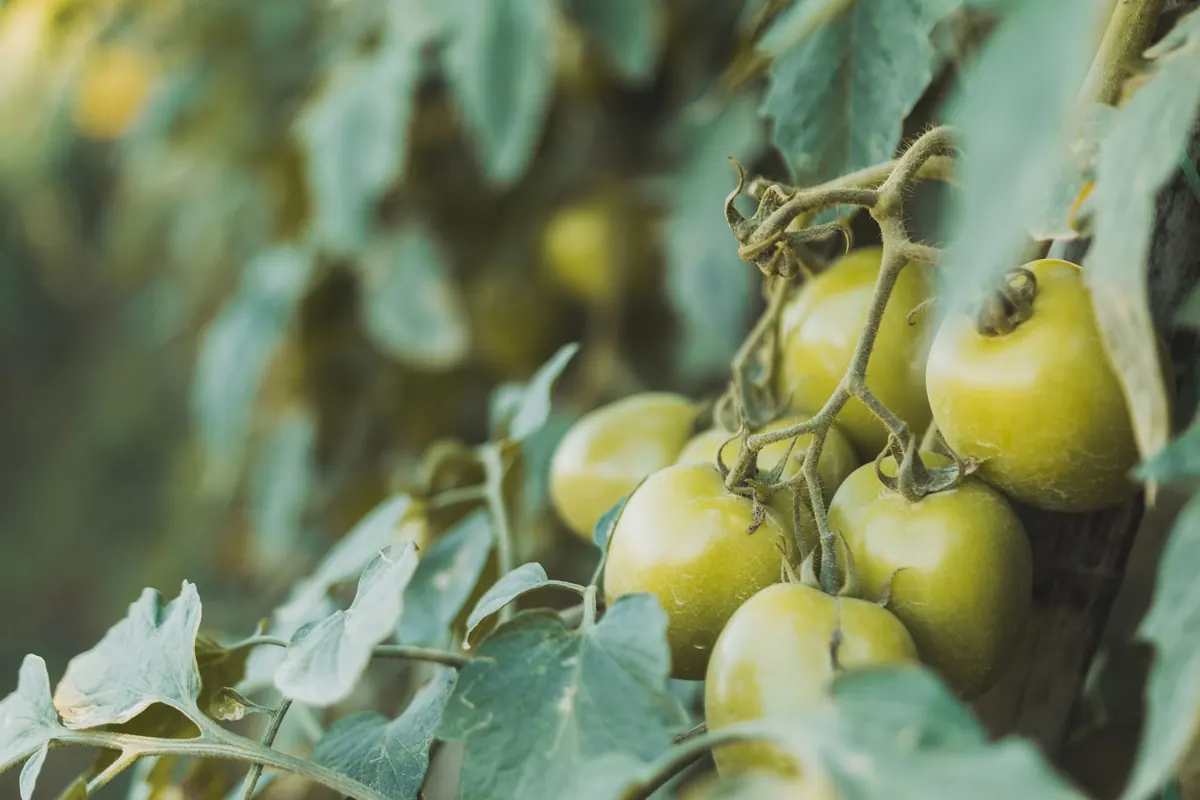 🧰 Problem solverWill it ripen before fall frost? Count the days to maturityCount from your planting-out day to the early fall frost date, then check the days to maturity against it. Worked example at two Montana stations.Read the guide
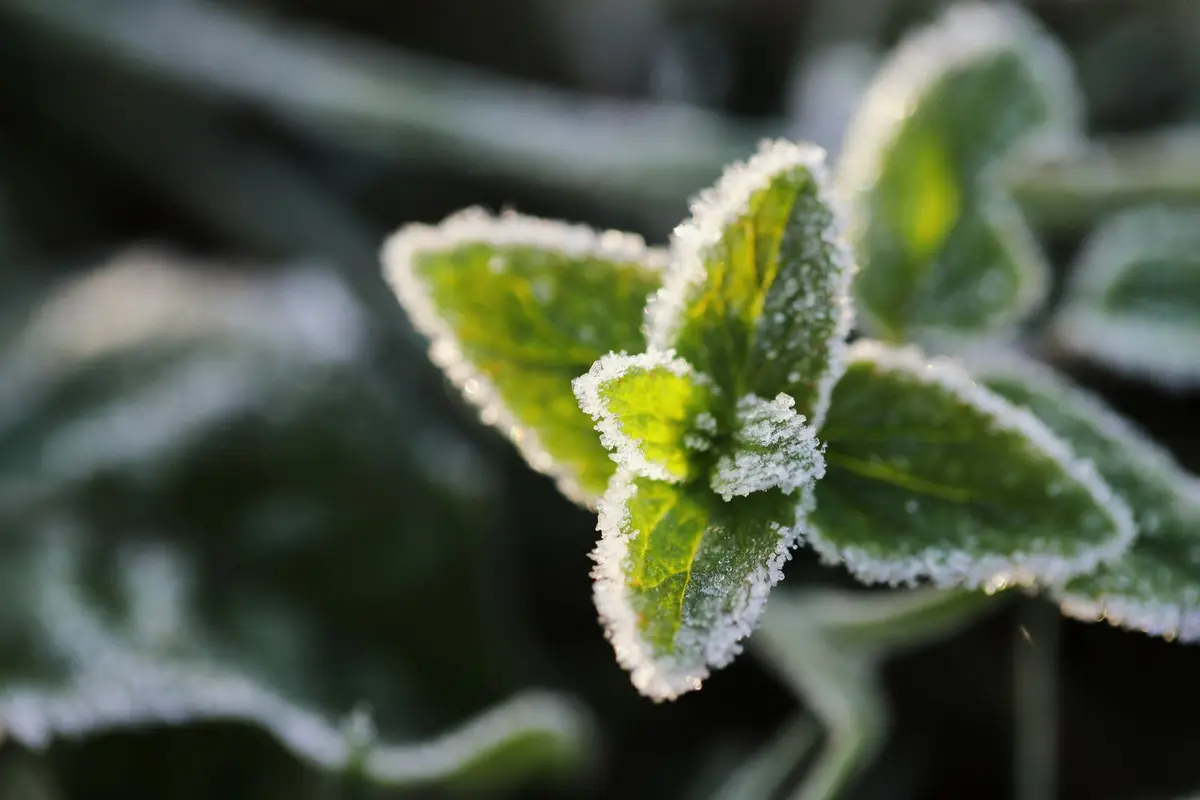 ✅ ChecklistFirst fall frost: a job list counted back from your frost dateFind your first fall frost date by zip code, then count back: last planting day, pots in, covers ready, and how to cover plants on a frost night.Read the guide
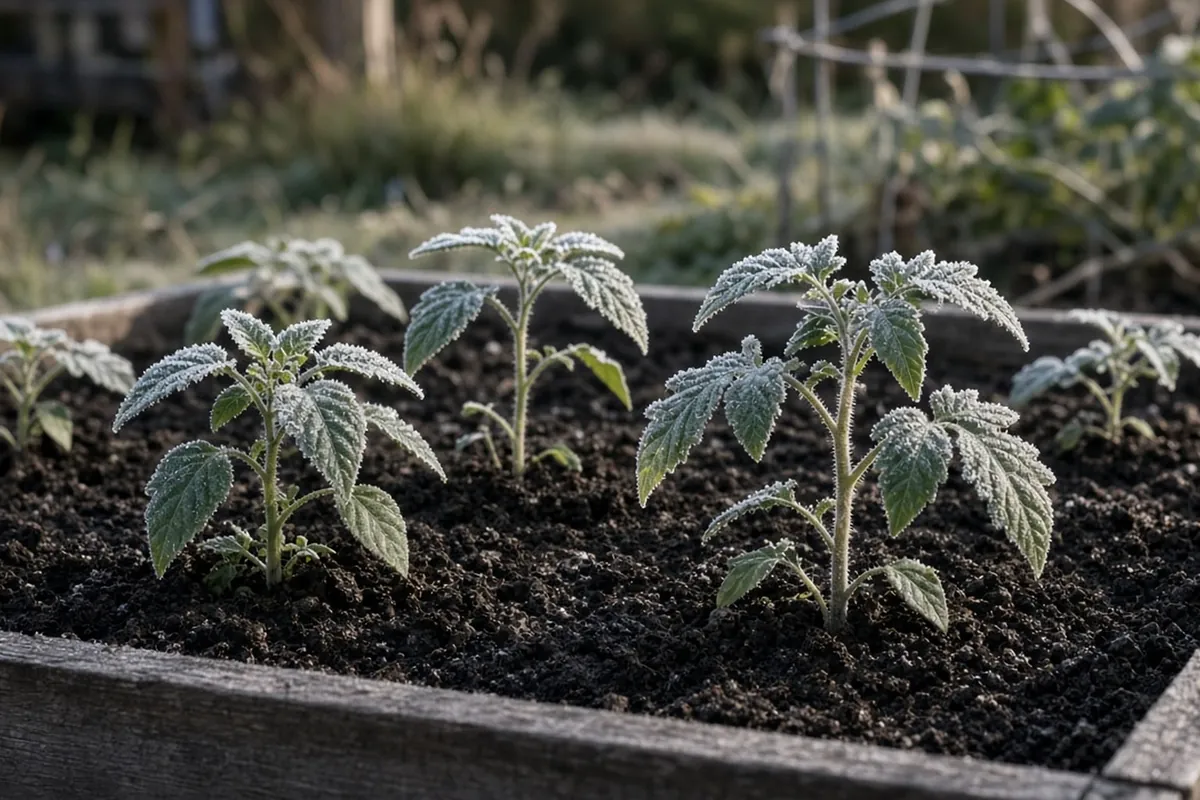 🧰 Problem solverIt froze after the last frost date: how to read the oddsA last frost date is a coin flip, not a promise. How NOAA's 50% and 1 in 10 dates work, how to pick the right station, and which date to plan around.Read the guide
Sources
- Bulletin #2751, Starting Seeds at Home, University of Maine Cooperative Extension, published January 1, 2021. Checked October 17, 2026.
- SP 103/VH021: Florida Vegetable Gardening Guide, University of Florida IFAS Extension, published September 16, 2025. Checked October 18, 2026.
- U.S. Climate Normals (1991-2020), annual/seasonal normals by station, NOAA National Centers for Environmental Information (NCEI). Checked October 7, 2026.
- Garden Chores For Fall, UF/IFAS Extension Duval County, published September 22, 2025. Checked October 18, 2026.
Planning guide, not a guarantee. See every source on the site on the sources page. Spotted an error? Tell us.