📓 BedsFree toolPrintable record
Garden log planner
Quick answer
Add the days to harvest on the packet to the day the crop went in: seed counts from sowing, a transplant from the day it was set out. Bush beans sown May 13 at 58 days are ready about July 10. Broccoli set out August 1 at 74 days is ready about October 14, ten days before the typical October 24 first frost in Columbus, Ohio.
Source: N.C. Cooperative Extension Forsyth County, Garden Journal template, checked October 22, 2026; Johnny's Selected Seeds, Days to Maturity definition, checked October 17, 2026; SDSU Extension, Choosing Vegetable Varieties for Your Area, checked October 17, 2026; NOAA 1991-2020 U.S. Climate Normals, annual/seasonal, checked October 7, 2026.

Garden log planner
Change any number and the answer updates as you type.
First picks expected Jul 10 to October 14, 2027
| Crop | Went in | Days to harvest | First pick about | Against frost |
|---|---|---|---|---|
| Bush beans | May 13, sown | 58 | July 10, 2027 | 106 days before frost |
| Tomato, early | May 20, set out | 52 | July 11, 2027 | 105 days before frost |
| Tomato, late | May 20, set out | 85 | August 13, 2027 | 72 days before frost |
| Fall broccoli | Aug 1, set out | 74 | October 14, 2027 | 10 days before frost |
Every planting reaches first pick before the Oct 24 frost. Copy the dates onto the log, then write the real first pick next to each one.
No garden math needed
How to use this, in plain words
Type each planting on its own line: the crop, the day it went in, seed or transplant, and the days to harvest from the packet or plant tag.
Add your typical first fall frost date. The frost date lookup gives it from your zip code.
Read the first pick date for each planting and how many days it lands before the frost. A line marked after frost needs an earlier start or a shorter variety.
Print the season garden log, copy the dates onto it, and keep it by the back door. Write the real first and last pick next to each estimate as the season goes.
Source: NOAA 1991-2020 U.S. Climate Normals, annual/seasonal, checked October 7, 2026; N.C. Cooperative Extension Forsyth County, Garden Journal template, checked October 22, 2026.
What the store won't tell you
Before you start
- Have the seed packets or plant tags at hand; the days to harvest is printed on them.
- Check whether the number counts from seed or from transplant. Tomatoes and peppers are usually rated from transplant.
- Write the date down the day you plant. A date guessed a month later throws off every estimate.
- Keep last year's log nearby if you have one. Its real first pick dates beat any packet figure.
Go deeper: What to write in a garden journal, and what each note is for · How to draw a garden bed map you'll actually use next year · Will it ripen before fall frost? Count the days to maturity · How to weigh and log your garden harvest without it becoming a chore · How to plan next year's garden from this year's harvest
The formula, in words
How it works
- First pick: the day the crop went in plus its days to harvest. N.C. Cooperative Extension's garden journal works out the estimate the same way.
- Which day to count from: for seed, the sowing day; for a transplant, the day it went into the garden. A crop that can go either way is rated from direct seeding unless the packet says otherwise.
- Frost check: days before frost = your first fall frost date minus the first pick date. A negative number means the crop would start bearing after the frost.
Source: N.C. Cooperative Extension Forsyth County, Garden Journal template, checked October 22, 2026; Johnny's Selected Seeds, Days to Maturity definition, checked October 17, 2026.
Printable sheet
What to record
Keep one line per planting from the day it goes in until the last pick. The printable log has a line for each planting:
- Bed and crop, with the variety
- Sown or set out on, seed or transplant
- Days to harvest from the packet
- First pick estimated
- First pick and last pick, real dates
- Weather and notes (late frost, hot spell, missed week)
- Grow again next year: yes, no, change
Checked by hand
Worked example
A Columbus, Ohio garden (zip code 43215, typical first fall frost October 24 at the nearest NOAA station). Four plantings: bush beans sown May 13 (58 days), an early tomato and a late tomato set out May 20 (52 and 85 days), and fall broccoli set out August 1 (74 days).
- Bush beans: May 13 + 58 days = Jul 10, 106 days before frost.
- Tomato, early: May 20 + 52 days = Jul 11, 105 days before frost.
- Tomato, late: May 20 + 85 days = Aug 13, 72 days before frost.
- Fall broccoli: Aug 1 + 74 days = Oct 14, 10 days before frost.
- Frost date used: October 24, 2027. Days before frost = frost date minus first pick.
Why it may not match the bag or the store
If the answer surprises you
❓
The first pick came a week late
That's common. Days to harvest is an average from the seed company, and a cold spring slows everything. Write the real date on the log; next year you can add the difference to the packet number.
Source: Johnny's Selected Seeds, Days to Maturity definition, checked October 17, 2026.
❓
The fall crop misses the frost
Check the frost date first. The typical date is an average; in Columbus the 1 in 10 early date comes 11 days sooner. Then look for a variety with fewer days, or set out a transplant in place of seed.
Source: NOAA 1991-2020 U.S. Climate Normals, annual/seasonal, checked October 7, 2026.
❓
Transplant days look too short
The weeks spent growing the seedling indoors aren't counted. A tomato rated at 52 days from transplant was sown indoors several weeks before that.
Source: SDSU Extension, Choosing Vegetable Varieties for Your Area, checked October 17, 2026.
Other cases
Variants
🟫
Several sowings of one crop
Give each sowing its own line: lettuce on April 1, April 15 and May 1 gets three first-pick dates. The log then shows how far apart the picks really came.
⭕
No frost date yet
Leave the frost box blank and the tool gives the dates only. The frost date lookup finds the typical first fall frost for your zip code from NOAA station data.
Source: NOAA 1991-2020 U.S. Climate Normals, annual/seasonal, checked October 7, 2026.
🔁
Checking against an early frost year
Type the 1 in 10 early date in place of the typical one. In Columbus that is October 13, and the example's broccoli then misses by a day, so setting it out a week sooner gives it room.
Source: NOAA 1991-2020 U.S. Climate Normals, annual/seasonal, checked October 7, 2026.
📏
Warm-zone winter crops
A planting that runs past New Year works the same way: carrots sown December 1 at 70 days are ready about February 9 the next year.
Where each figure comes from
Numbers this tool uses
- 58 days from seedBush Blue Lake beans, days to harvest in the extension journal's sample rowN.C. Cooperative Extension Forsyth County, Garden Journal template, October 22, 2026
- 52 days from transplantEarly Girl tomato, days to maturitySDSU Extension, Choosing Vegetable Varieties for Your Area, October 17, 2026
- 85 days from transplantBrandywine tomato, days to maturitySDSU Extension, Choosing Vegetable Varieties for Your Area, October 17, 2026
- 74 days from transplantWaltham 29 broccoli, days to maturitySDSU Extension, Choosing Vegetable Varieties for Your Area, October 17, 2026
- October 24, October 13Zip code 43215 nearest station: typical and 1 in 10 early first fall frostNOAA 1991-2020 U.S. Climate Normals, annual/seasonal, October 7, 2026
Limitations
- Planning estimate, not a guarantee; days to harvest is an average, and a cool spring or a hot summer moves the real first pick by a week or more.
- The frost check uses the one date you type. Typical frost dates are averages, so any fall can come earlier.
- Dates and records only. This page doesn't cover which varieties to grow, plant problems, or eating and storing the harvest.
What people learn the second year
Tips and tricks
- One line per sowing. Give each sowing its own line, even of the same crop. The log then shows which sowing date did best.
- Write the variety. Days to harvest belongs to the variety, not the crop. Two tomatoes in the same bed can be a month apart.
- Mark seed or transplant. An S or a T next to the date tells you later which way the days were counted.
- Note the weather in a few words. A late frost, a hot spell, a dry July: one line explains a late first pick when you read the log next winter.
- Keep the logs together. Put each season's log in the same folder. After a few years they show when your own yard really starts bearing.
Read before the store run
Guides that go deeper
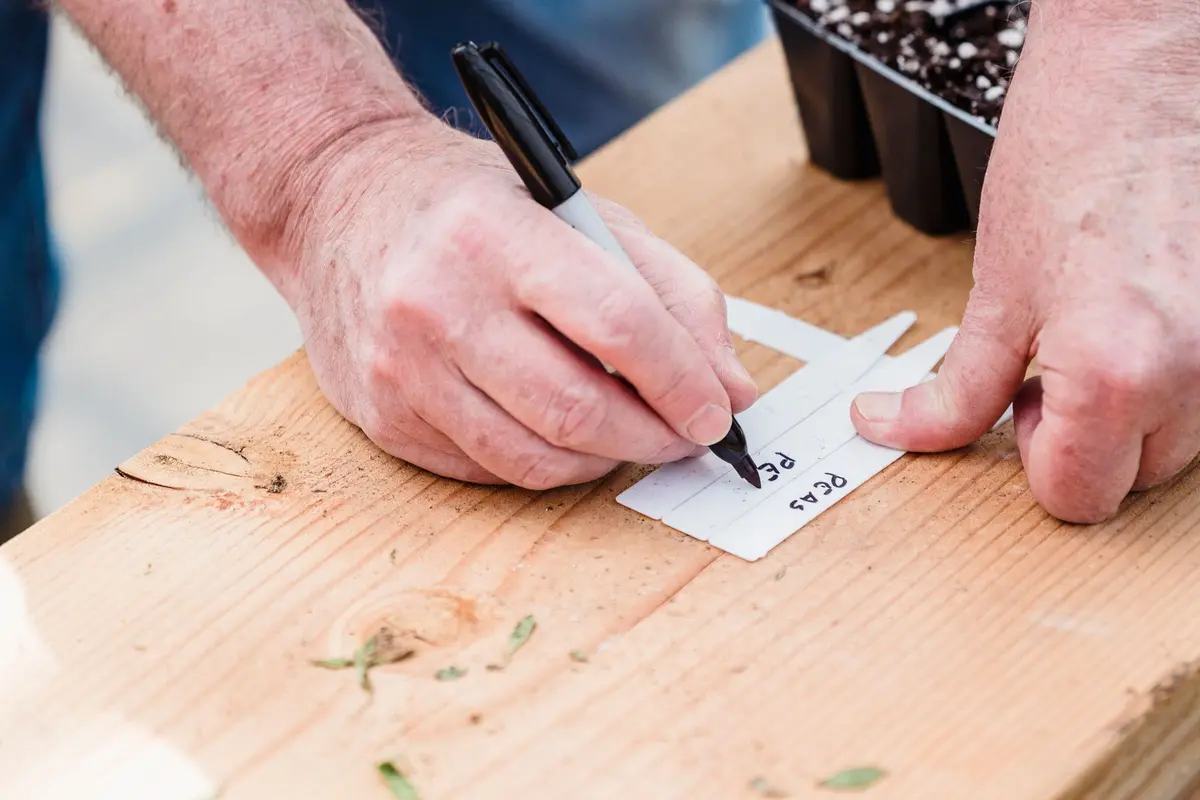 📘 Know-howWhat to write in a garden journal, and what each note is forThe few notes a garden journal needs: variety, the day in, where it went, first and last pick, pounds and weather, and the question each one answers.Read the guide
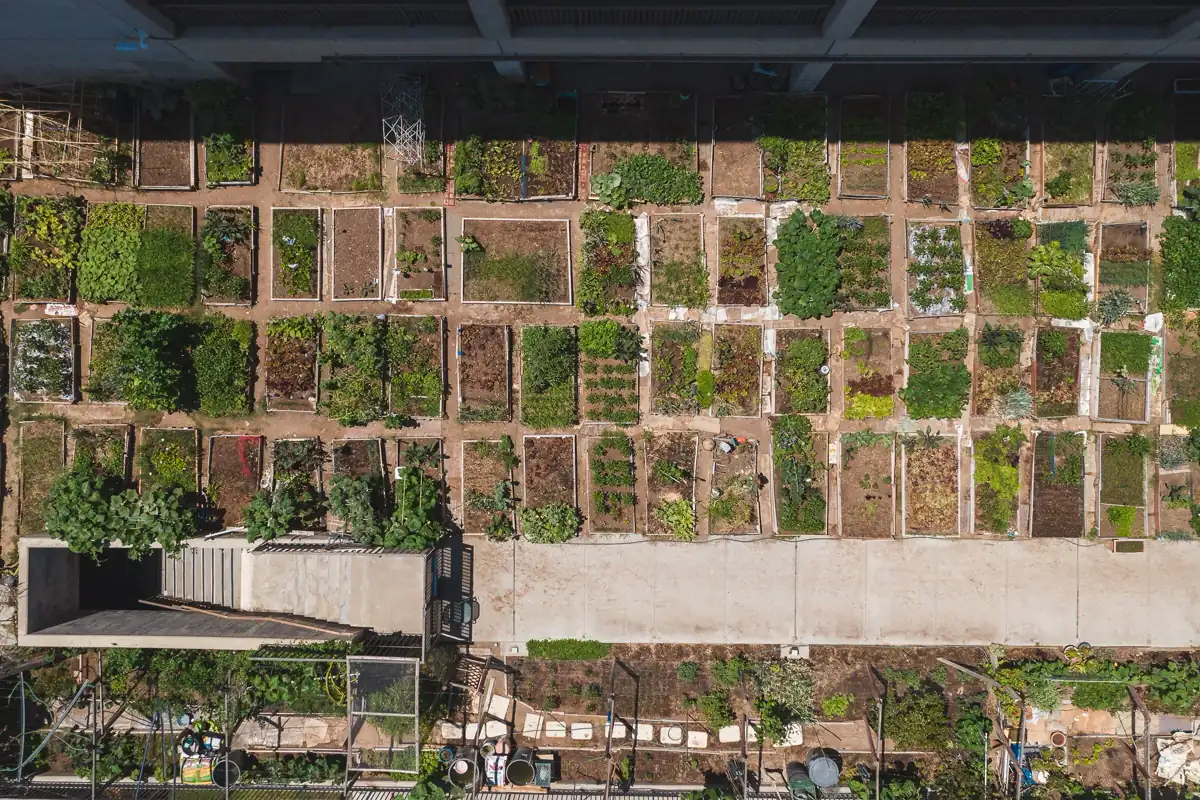 ✅ ChecklistHow to draw a garden bed map you'll actually use next yearMeasure the beds, pick a scale like 1 square = 1 foot, and mark what went where and when. Next spring the map tells you where each crop family goes.Read the guide
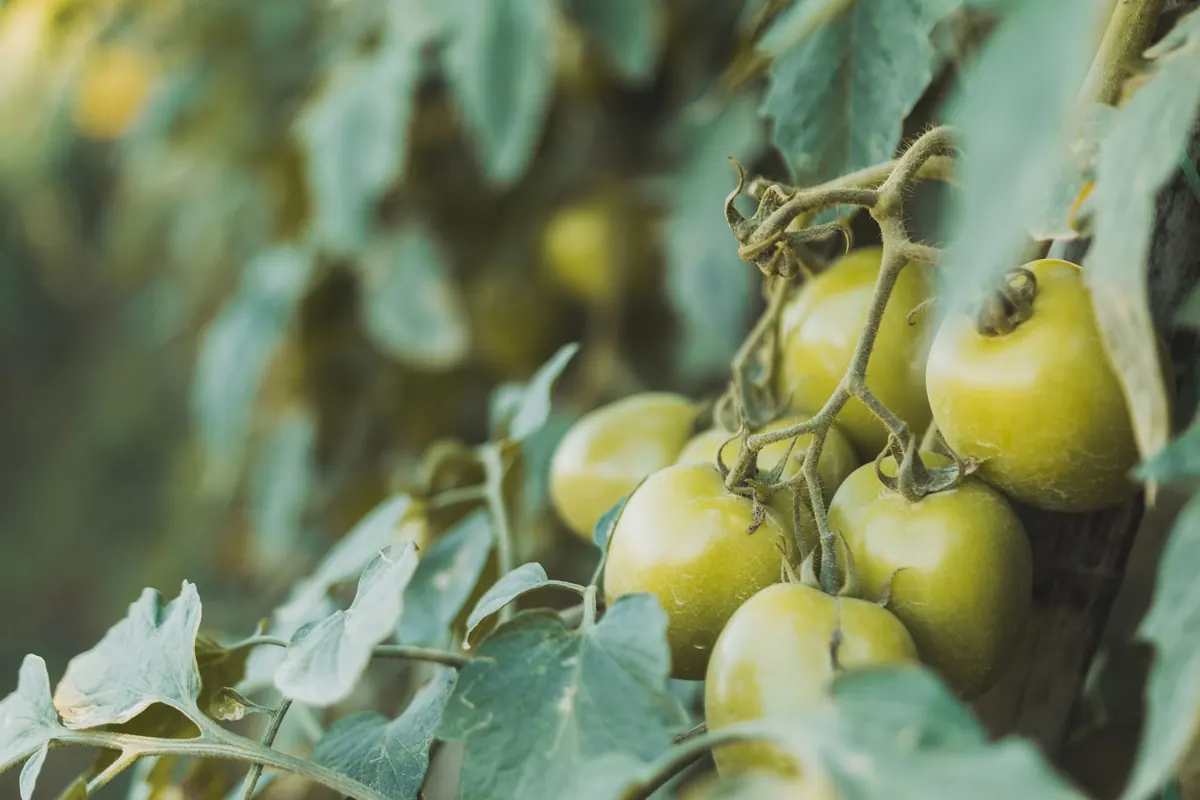 🧰 Problem solverWill it ripen before fall frost? Count the days to maturityCount from your planting-out day to the early fall frost date, then check the days to maturity against it. Worked example at two Montana stations.Read the guide
 ✅ ChecklistHow to weigh and log your garden harvest without it becoming a choreA simple way to weigh every pick and keep a season harvest log: the scale, zeroing the basket, ounces to pounds, and the columns worth keeping.Read the guide
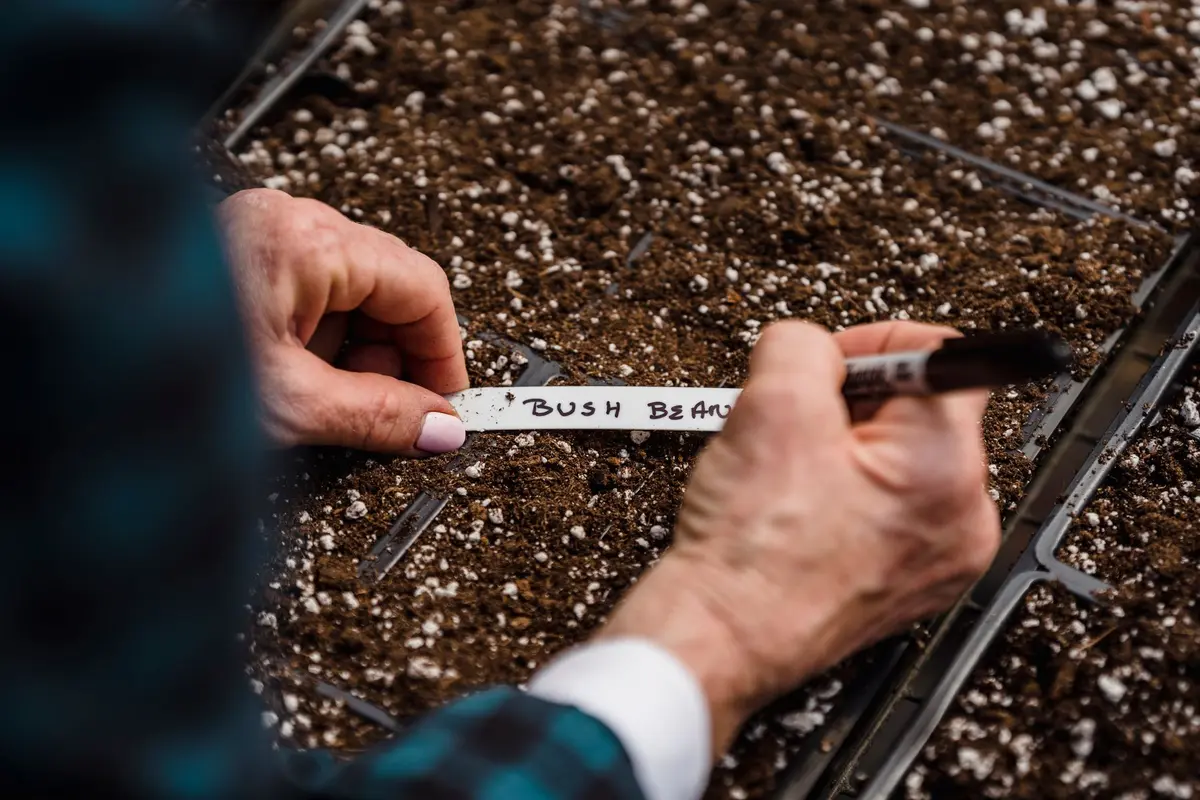 📘 Know-howHow to plan next year's garden from this year's harvestTurn this season's harvest record into next year's plan: pounds per 10 ft, grow more or less, row length for a goal, and which bed each crop moves to.Read the guide
Common questions
Questions
How do I work out when my vegetables will be ready?
Add the days to harvest from the seed packet or plant tag to the day the crop went in. Beans sown May 13 at 58 days are ready about July 10.
Source: N.C. Cooperative Extension Forsyth County, Garden Journal template, checked October 22, 2026.
Does days to maturity count from seeding or from transplanting?
From seeding for crops sown in the garden, and from the transplant date for crops set out as plants. If a crop can go either way, the figure refers to direct seeding unless the packet says otherwise.
Source: Johnny's Selected Seeds, Days to Maturity definition, checked October 17, 2026.
What should I write in a garden log?
For each planting: the crop and variety, the bed, the day it went in, seed or transplant, the estimated first pick, the real first and last pick, and a note on the weather. The extension journal template also keeps a bed map and a harvest log by weight.
Source: N.C. Cooperative Extension Forsyth County, Garden Journal template, checked October 22, 2026.
How do I know if a fall crop will finish before frost?
Work out the first pick date, then compare it with your typical first fall frost. If it lands after, start earlier or pick a variety with fewer days. For a safer margin, check against the 1 in 10 early frost date too.
Source: NOAA 1991-2020 U.S. Climate Normals, annual/seasonal, checked October 7, 2026.
Is the printable garden log free?
Yes. The season garden log prints on one US Letter page, landscape, with a line for each planting.
More for the same garden
Related tools
- 🧺 CalculatorHarvest yield calculatorAdd up a season of picks, see pounds per 10 ft of row against an extension average, and size next year's row for the harvest you want.Open the tool
- ❄️ LookupFrost date lookup by zip codeFind the typical last spring and first fall frost for your zip code from NOAA 1991 to 2020 station normals, with the 1 in 10 year dates and a printable card.Open the tool
- 🌱 CalculatorSeed quantity calculatorHow many seeds your rows take, how many to keep on hand once germination is allowed for, and how many packets or ounces to order.Open the tool
- 🧺 SectionAll beds toolsPlan a wooden raised bed: how many boards to buy, where to cut them, how tall the bed ends up and how much soil it will hold.See the section
Sources
- Garden Journal (template with instructions), N.C. Cooperative Extension, Forsyth County Center. Checked October 22, 2026.
- Days to Maturity (catalog definition on each product page), Johnny's Selected Seeds (seed maker). Checked October 17, 2026.
- Choosing Vegetable Varieties for Your Area, South Dakota State University Extension. Checked October 17, 2026.
- U.S. Climate Normals (1991-2020), annual/seasonal normals by station, NOAA National Centers for Environmental Information (NCEI). Checked October 7, 2026.
See every source on the site on the sources page. Spotted an error? Tell us.