🧭 Garden systemZones9 stepsFree working copy
Seed-starting countdown, zones 8 to 10: spring trays in winter, fall trays in summer
Quick answer
Zones 8 to 10 get two seed-starting seasons. For spring, count back from the 1 in 10 last frost: tomatoes need 6 to 12 days to sprout plus 5 to 7 weeks. For fall, plant tomatoes out at least 90 days before the early first frost and count back from that day. At zip 78205 (San Antonio, zone 9a) that means sowing January 17 to February 6, then again June 9 to 29.
Source: UMaine Extension Bulletin #2751, Starting Seeds at Home, checked October 17, 2026; UF/IFAS SP 103 (VH021), Florida Vegetable Gardening Guide, checked October 18, 2026; NOAA 1991-2020 U.S. Climate Normals, annual/seasonal, checked October 7, 2026; PRISM 2023 USDA hardiness zone GIS datasets and zip-code listing, checked October 6, 2026.

Decide first
Start seeds yourself, skip it, or get help?
Do it yourself
Start them yourself
Worth it if you have a light you can hang 2 to 4 inches above the seedlings for 16 hours a day and a spot for trays in December and again in summer. By UMaine Extension's numbers, tomatoes and peppers take 6 to 10 weeks from sowing.
Source: UMaine Extension Bulletin #2751, Starting Seeds at Home, checked October 17, 2026.
Skip it
Skip the trays this time
If you only want a few tomato or pepper plants, buy transplants and keep four dates from this page: spring planting-out day, hardening-off start, latest fall planting day and the early first frost. Crops you sow straight into the bed don't need a countdown.
Get help
Ask your county extension office
For your state's planting months, which varieties do well in your heat, or seedlings that look wrong, call your county Cooperative Extension office. This page covers dates and counts only, not plant problems.
- 2tomato planting seasons a year in Central Florida (UF/IFAS)UF/IFAS SP 103 (VH021), Florida Vegetable Gardening Guide, October 18, 2026
- 70 to 90 dtomato transplant to first harvest (UF/IFAS)UF/IFAS SP 103 (VH021), Florida Vegetable Gardening Guide, October 18, 2026
- Dec 10first tomato sow day for spring at Orlando, zone 10aNOAA 1991-2020 U.S. Climate Normals, annual/seasonal, October 7, 2026
- 16 hrof light a day, 2 to 4 inches above (UMaine)UMaine Extension Bulletin #2751, Starting Seeds at Home, October 17, 2026
From a December evening to a fall harvest
The steps, in order
Look up both frost dates
Type your zip code into the frost date lookup. Write down the 1 in 10 last spring frost and the early (1 in 10) first fall frost. At 78205 in San Antonio they're March 19 and November 7. At 32801 in Orlando they're February 9 and December 23.
Have ready: Your zip code and the countdown sheet.
Source: NOAA 1991-2020 U.S. Climate Normals, annual/seasonal, checked October 7, 2026.
Check your state's planting months
Florida's guide lists tomatoes outdoors in Central Florida in January to February and again in August to September. Orlando's 1 in 10 frost date is February 9, so spring plants go out between February 9 and the end of February. UF/IFAS says to note your frost dates and adjust.
Have ready: Your state extension planting guide.
Source: UF/IFAS SP 103 (VH021), Florida Vegetable Gardening Guide, checked October 18, 2026; NOAA 1991-2020 U.S. Climate Normals, annual/seasonal, checked October 7, 2026.
Copy two numbers for each crop
UMaine's table gives the days to sprout and the weeks from sprouting to transplant. Tomato: 6 to 12 days, then 5 to 7 weeks. Pepper: 9 to 14 days, then 6 to 8 weeks. The weeks start when the seed comes up, not when it goes in.
Have ready: UMaine Bulletin #2751 or the packet.
Source: UMaine Extension Bulletin #2751, Starting Seeds at Home, checked October 17, 2026.
Count spring back from the out day
First sow day: out day minus (long weeks x 7 + long sprouting days). Last sow day: out day minus (short weeks x 7 + short sprouting days). San Antonio tomatoes: January 17 to February 6. Orlando tomatoes: December 10 to 30, so the trays go in before the holidays.
Have ready: A paper calendar for December to March.
Find the latest fall out day
UF/IFAS gives tomatoes 70 to 90 days from transplant to first harvest. Take 90 days off the early first frost: August 9 in San Antonio, September 24 in Orlando. Plant fall tomatoes out on or before that day.
Have ready: The early first frost from step 1.
Source: UF/IFAS SP 103 (VH021), Florida Vegetable Gardening Guide, checked October 18, 2026; NOAA 1991-2020 U.S. Climate Normals, annual/seasonal, checked October 7, 2026.
Count fall back the same way
Use the same two numbers from the latest fall out day. San Antonio fall tomatoes go in June 9 to 29, Orlando's July 25 to August 14. For broccoli and other cool crops, UF/IFAS in Duval County grows seedlings 4 to 6 weeks under lights, then hardens them off for a week or two.
Have ready: A paper calendar for June to October.
Source: UMaine Extension Bulletin #2751, Starting Seeds at Home, checked October 17, 2026; UF/IFAS Extension Duval County, Garden Chores For Fall, checked October 18, 2026.
Count seeds for each tray
Under federal seed rules, tomato seed only has to sprout at 75% and pepper at 55%. For 12 pepper plants, have 22 seeds on hand (12 ÷ 0.55). Buy enough for both seasons at once.
Have ready: The packets and your plant count for each crop.
Source: 7 CFR 201.31, vegetable seed germination standards, checked October 14, 2026.
Sow on the first day of each window
UMaine warms the mix to about 70°F with a heat mat and keeps the room at 55 to 70°F. Once seedlings are up, run the lights 16 hours a day, 2 to 4 inches above the plants.
Have ready: Trays, seed-starting mix, labels, a light and a timer.
Source: UMaine Extension Bulletin #2751, Starting Seeds at Home, checked October 17, 2026.
Harden off, plant out, write it down
Give seedlings one to two weeks outside before planting. With a two-week plan, San Antonio starts March 5 and Orlando January 26. On each planting day, note the date and plant size; in fall, add the first pick date.
Have ready: A sheltered spot by the door, the sheet and a pen.
Source: UMaine Extension Bulletin #2751, Starting Seeds at Home, checked October 17, 2026.
Free, one page, black and white
Print the working copy
Seed-start countdown: the steps above as a checklist with a date box for each, on one US Letter page.
If a step gets skipped
What goes wrong
⚠️
Waiting for spring to sow
In Orlando the tomato window closes December 30. Sow in February, as a northern calendar would, and the plants are ready in March or later, after Central Florida's January to February planting months.
Source: UF/IFAS SP 103 (VH021), Florida Vegetable Gardening Guide, checked October 18, 2026; NOAA 1991-2020 U.S. Climate Normals, annual/seasonal, checked October 7, 2026.
⚠️
Planting fall tomatoes too late
Each week after the latest fall out day pushes the first pick a week closer to the frost. In San Antonio, tomatoes planted out August 30 instead of August 9 have a first pick of November 8 to 28, all after the November 7 early frost.
Source: UF/IFAS SP 103 (VH021), Florida Vegetable Gardening Guide, checked October 18, 2026; NOAA 1991-2020 U.S. Climate Normals, annual/seasonal, checked October 7, 2026.
⚠️
Counting from sow day
UMaine's weeks start at sprouting. Count them from sow day instead and the plants get 6 to 14 fewer days of growing than the table allows.
Source: UMaine Extension Bulletin #2751, Starting Seeds at Home, checked October 17, 2026.
⚠️
Going by the zone
Dallas (8b) and San Antonio (9a) share a March 19 out day. Tampa (10a) plants out February 10. Count from your own frost dates, not the zone number.
Source: NOAA 1991-2020 U.S. Climate Normals, annual/seasonal, checked October 7, 2026; PRISM 2023 USDA hardiness zone GIS datasets and zip-code listing, checked October 6, 2026.
⚠️
Skipping hardening off
Plants that go from the light shelf to the bed in one day miss the one to two weeks outside that UMaine and UF/IFAS both give them.
Source: UMaine Extension Bulletin #2751, Starting Seeds at Home, checked October 17, 2026; UF/IFAS Extension Duval County, Garden Chores For Fall, checked October 18, 2026.
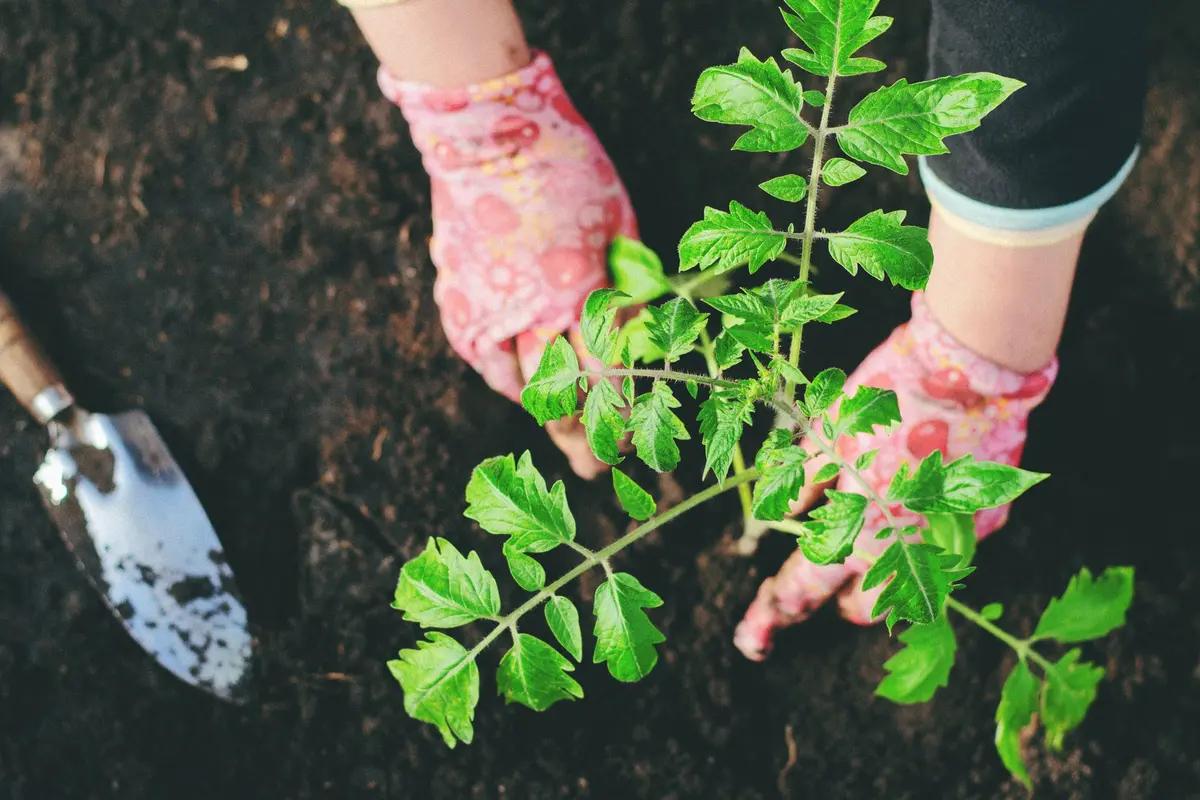
When the steps change
Variants
🪴
Zone 8 and cooler 9a yards
Spring trays go in during January. In San Antonio (March 19 out), peppers go in January 8 to 27 and tomatoes January 17 to February 6. The fall frost comes early too, so fall trays go in June.
Source: NOAA 1991-2020 U.S. Climate Normals, annual/seasonal, checked October 7, 2026; UMaine Extension Bulletin #2751, Starting Seeds at Home, checked October 17, 2026.
🏙️
Zone 10 and Central Florida
Spring trays go in during December. In Orlando (February 9 out), peppers go in December 1 to 20 and tomatoes December 10 to 30. The fall window runs later, from July 25 to August 14.
Source: NOAA 1991-2020 U.S. Climate Normals, annual/seasonal, checked October 7, 2026; UMaine Extension Bulletin #2751, Starting Seeds at Home, checked October 17, 2026.
❄️
Fall cool crops only
For broccoli, cabbage and lettuce, count back from the planting day 4 to 6 weeks under lights plus a week or two of hardening off. Broccoli set out in Jacksonville on October 1 is sown August 6 to 27.
Source: UF/IFAS Extension Duval County, Garden Chores For Fall, checked October 18, 2026; UF/IFAS SP 103 (VH021), Florida Vegetable Gardening Guide, checked October 18, 2026.
☀️
Buying transplants instead
Skip steps 3, 4, 6, 7 and 8. Bring plants home before the hardening-off start, give them one to two weeks outside, and plant on your out day. For fall, buy in time to plant by the latest fall out day.
Source: UMaine Extension Bulletin #2751, Starting Seeds at Home, checked October 17, 2026.
What people learn the second year
Tips and tricks
- Put both seasons on one sheet. Write the spring and fall windows on the same page the night you plan. The fall window opens in early summer, when nobody is thinking about seeds.
- Buy seed for the year. One order covers the December and June sowings. Keep the opened packets somewhere cool and dry until summer.
- Sow peppers before tomatoes. In UMaine's table peppers need up to 8 weeks from sprouting against 7 for tomatoes, and sprout slower. Their window opens about nine days sooner. (UMaine Extension Bulletin #2751, Starting Seeds at Home)
- Check the out day against your state's months. A frost-safe date isn't enough in warm zones. In Orlando, February 9 is frost-safe and still inside the UF/IFAS January to February window; a March planting day would miss it. (UF/IFAS SP 103 (VH021), Florida Vegetable Gardening Guide)
- Keep the first-pick date. The fall first-pick date tells you next year whether the latest out day can move later or needs to come sooner.
The one we checked the steps against
Primary source
SP 103/VH021: Florida Vegetable Gardening Guide, University of Florida IFAS Extension, published September 16, 2025. Checked October 18, 2026.
University of Florida IFAS Extension writes for a state where tomatoes go out twice a year. SP 103 lists outdoor planting months by region and days from transplant to first harvest, the numbers this page uses for both seasons.
The arithmetic and the background reading
Tools and guides in this system
- ❄️ LookupFrost date lookup by zip codeFind the typical last spring and first fall frost for your zip code from NOAA 1991 to 2020 station normals, with the 1 in 10 year dates and a printable card.Open the tool
- 🌱 CalculatorSeed quantity calculatorHow many seeds your rows take, how many to keep on hand once germination is allowed for, and how many packets or ounces to order.Open the tool
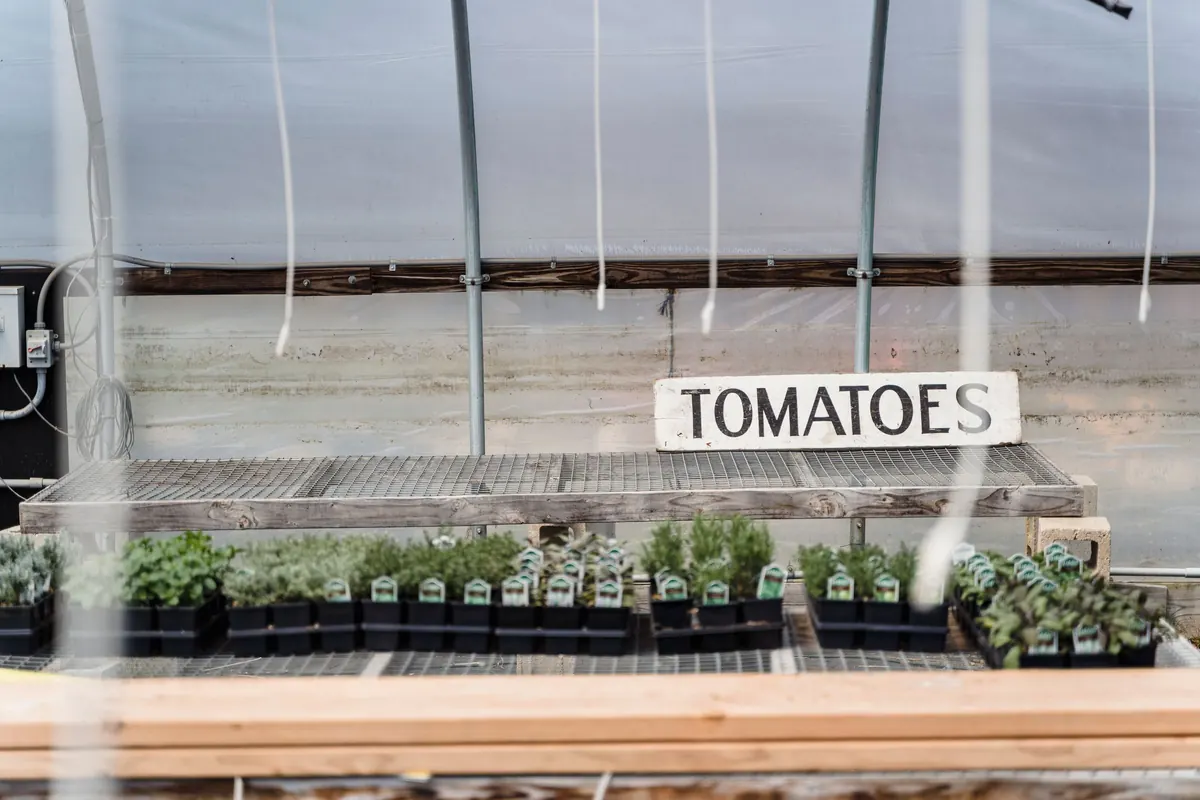 📘 Know-howWhen to start seeds in zones 8 to 10In a warm yard the spring tomato trays go in around December and January. Count back from the planting-out day, with worked dates for four zips.Read the guide
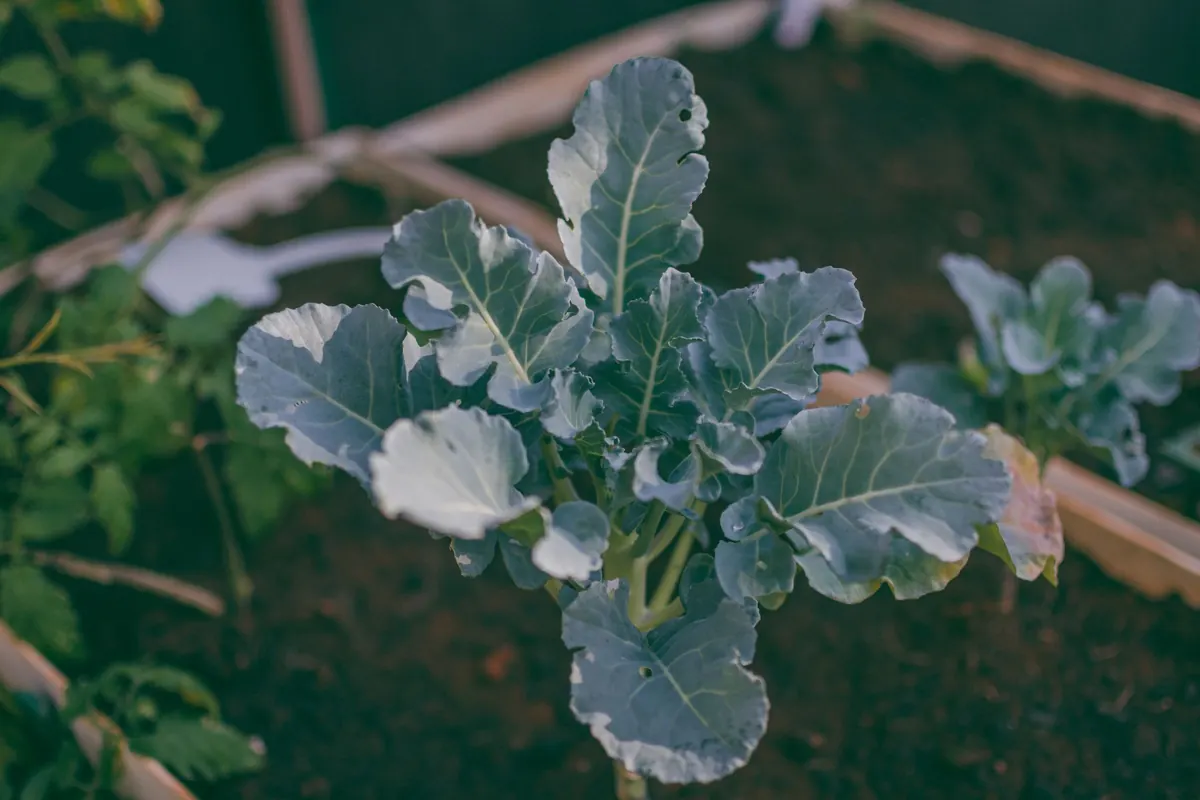 🧰 Problem solverWhen to start seeds for a fall garden in zones 8 to 10Fall tomatoes planted too late meet the first frost before the first pick. Count back for the sow day and forward for the harvest, with Florida examples.Read the guide
Common questions
Questions
When do I start tomato seeds indoors in zone 9?
Count back from your own planting-out day: 6 to 12 days to sprout plus 5 to 7 weeks. At 78205 in San Antonio, zone 9a, the 1 in 10 last frost is March 19, so January 17 to February 6.
Source: UMaine Extension Bulletin #2751, Starting Seeds at Home, checked October 17, 2026; NOAA 1991-2020 U.S. Climate Normals, annual/seasonal, checked October 7, 2026.
When do I start seeds indoors in zone 10?
Early, often in December. At 32801 in Orlando, zone 10a, the 1 in 10 last frost is February 9, so tomatoes go in December 10 to 30 and peppers December 1 to 20.
Source: UMaine Extension Bulletin #2751, Starting Seeds at Home, checked October 17, 2026; NOAA 1991-2020 U.S. Climate Normals, annual/seasonal, checked October 7, 2026.
When do I start seeds for a fall garden in zone 9?
Take 90 days off your early first fall frost to get the latest tomato planting day, then count back. In San Antonio that's August 9 out and June 9 to 29 to sow.
Source: UF/IFAS SP 103 (VH021), Florida Vegetable Gardening Guide, checked October 18, 2026; UMaine Extension Bulletin #2751, Starting Seeds at Home, checked October 17, 2026; NOAA 1991-2020 U.S. Climate Normals, annual/seasonal, checked October 7, 2026.
Why 90 days before the first frost?
UF/IFAS gives tomatoes 70 to 90 days from transplant to first harvest. Using the slow end means even a slow plant gives a first pick by the early frost date.
Source: UF/IFAS SP 103 (VH021), Florida Vegetable Gardening Guide, checked October 18, 2026.
Do I still need to harden off seedlings in a warm zone?
Yes. UMaine and UF/IFAS's Duval County office both give seedlings a week or two of gradually longer stretches outside before planting.
Source: UMaine Extension Bulletin #2751, Starting Seeds at Home, checked October 17, 2026; UF/IFAS Extension Duval County, Garden Chores For Fall, checked October 18, 2026.
The next job on the shelf
More garden systems
 7 steps🧭 SystemRefresh border mulch: measure each bed, then buy only the gapMeasure the old layer in every bed before you order. One example yard needs 23 bags of 2 cu ft, not 45. The steps, the 3 inch limit and a free mulch record.Open the system
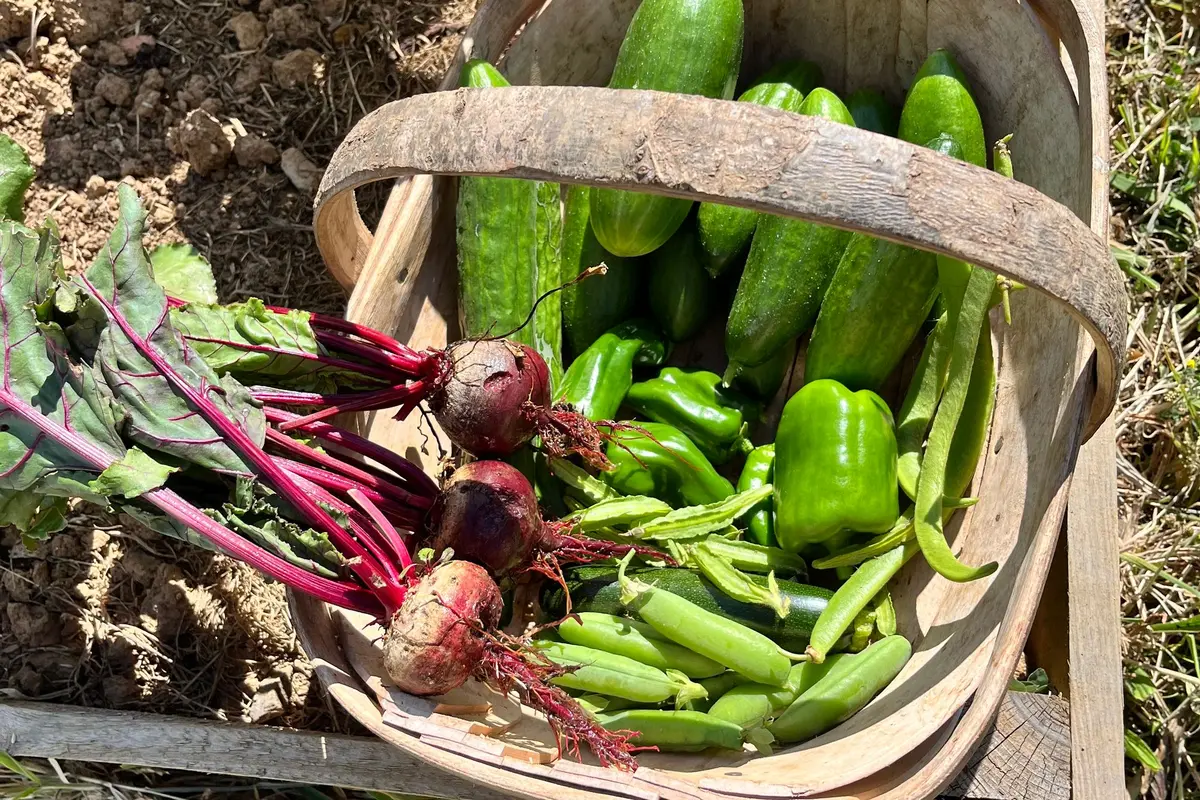 8 steps🧭 SystemEnd-of-season review: turn this year's harvest into next year's planAdd up each crop's pounds, set them beside an extension average, grade them, size next year's rows and move each family to a new bed. Free review sheet.Open the system
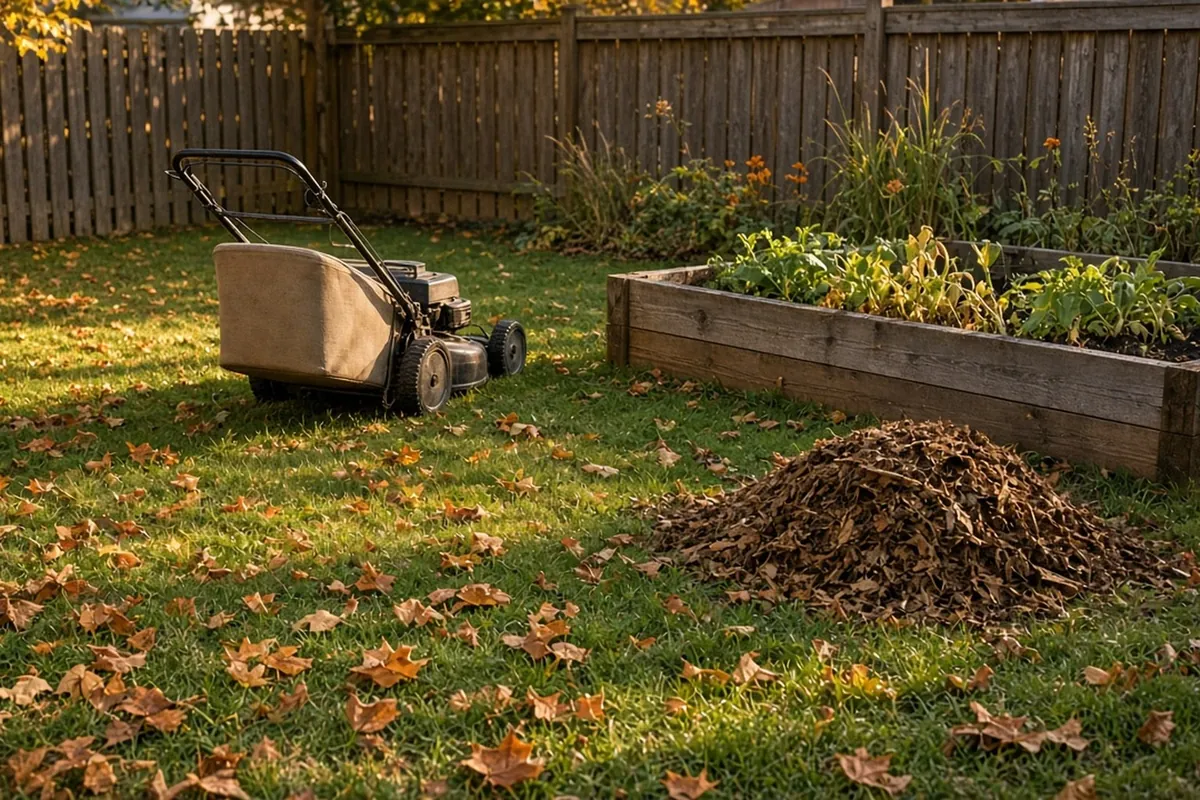 7 steps🧭 SystemTurn fall leaves into bed cover and mulch, and keep a tally of the bagsWhat to do with fall leaves: mow a thin layer into the lawn, shred the rest and spread 2 to 3 inches on beds. Free leaf haul tally to print.Open the system
Sources
- Bulletin #2751, Starting Seeds at Home, University of Maine Cooperative Extension, published January 1, 2021. Checked October 17, 2026.
- SP 103/VH021: Florida Vegetable Gardening Guide, University of Florida IFAS Extension, published September 16, 2025. Checked October 18, 2026.
- U.S. Climate Normals (1991-2020), annual/seasonal normals by station, NOAA National Centers for Environmental Information (NCEI). Checked October 7, 2026.
- 2023 USDA Plant Hardiness Zone GIS Datasets, PRISM Group, Oregon State University (for USDA). Checked October 6, 2026.
- Garden Chores For Fall, UF/IFAS Extension Duval County, published September 22, 2025. Checked October 18, 2026.
- 7 CFR 201.31, Minimum germination standards for vegetable seeds in interstate commerce, USDA Agricultural Marketing Service (Federal Seed Act regulations, eCFR), published July 7, 2020. Checked October 14, 2026.
Planning guide, not a guarantee. See every source on the site on the sources page. Spotted an error? Tell us.