🧭 Garden systemZones9 stepsFree working copy
Seed-starting countdown, zones 3 to 5: from planting-out day to sow day
Quick answer
In zones 3 to 5, start from the day the plants go outside and count back. UMaine Extension counts weeks from the day seeds sprout, so add those days too: tomatoes take 6 to 12 days to sprout, then 5 to 7 weeks. At zip 55731 (Ely, Minnesota, zone 3b) the 1 in 10 last frost is June 4, so tomato seeds go in April 4 to 24. At 05401 (Burlington, Vermont, zone 5b) it's May 11, so March 11 to 31.
Source: UMaine Extension Bulletin #2751, Starting Seeds at Home, checked October 17, 2026; NOAA 1991-2020 U.S. Climate Normals, annual/seasonal, checked October 7, 2026; PRISM 2023 USDA hardiness zone GIS datasets and zip-code listing, checked October 6, 2026.

Decide first
Start seeds yourself, skip it, or get help?
Do it yourself
Start them yourself
Worth it if you have a light you can hang 2 to 4 inches above the seedlings for 16 hours a day, a spot for the trays, and 6 to 10 weeks of a few minutes a day. Those are UMaine Extension's numbers.
Source: UMaine Extension Bulletin #2751, Starting Seeds at Home, checked October 17, 2026.
Skip it
Skip the trays this year
If you only want a few tomato or pepper plants, buy transplants and keep three dates from this page: the hardening-off start, the planting-out day and the early fall frost. Crops you sow straight into the bed don't need a countdown.
Get help
Ask your county extension office
For which varieties ripen in your county's season, or if seedlings look wrong, call your county Cooperative Extension office. This page covers dates and counts only, not plant problems.
- 6 to 12 dtomato days to sprout, then 5 to 7 weeks (UMaine)UMaine Extension Bulletin #2751, Starting Seeds at Home, October 17, 2026
- 95 daysfrom out day to early fall frost near Ely, zone 3bNOAA 1991-2020 U.S. Climate Normals, annual/seasonal, October 7, 2026
- 24 daysbetween the out days in Ely and BurlingtonNOAA 1991-2020 U.S. Climate Normals, annual/seasonal, October 7, 2026
- 16 hrof light a day, 2 to 4 inches above (UMaine)UMaine Extension Bulletin #2751, Starting Seeds at Home, October 17, 2026
From a March evening to planting-out day
The steps, in order
Look up both frost dates
Type your zip code into the frost date lookup. Write down the 1 in 10 last spring frost and the early (1 in 10) first fall frost. At 55731 near Ely, Minnesota, they're June 4 and September 7. At 05401 in Burlington, Vermont, they're May 11 and October 2.
Have ready: Your zip code and the countdown sheet.
Source: NOAA 1991-2020 U.S. Climate Normals, annual/seasonal, checked October 7, 2026.
Pick your planting-out day
Use the 1 in 10 last frost or later for tomatoes and peppers. NOAA's 50% date still has a freeze after it in about half of springs; in Ely that date is May 24, 11 days earlier. UMaine wants outdoor temperatures of 45°F or warmer, depending on the crop.
Have ready: The two spring dates from step 1.
Source: NOAA 1991-2020 annual/seasonal normals documentation, checked October 7, 2026; NOAA 1991-2020 U.S. Climate Normals, annual/seasonal, checked October 7, 2026; UMaine Extension Bulletin #2751, Starting Seeds at Home, checked October 17, 2026.
Check the season fits
Count the days from planting out to the early fall frost: 95 in Ely, 144 in Burlington. Add each variety's days to maturity from transplant to the out day. SDSU lists Brandywine at 85, so the first ripe fruit comes August 28 in Ely, with 10 days to spare.
Have ready: The packets or catalog, and the days to maturity of each variety.
Source: SDSU Extension, Choosing Vegetable Varieties for Your Area, checked October 17, 2026; NOAA 1991-2020 U.S. Climate Normals, annual/seasonal, checked October 7, 2026.
Copy two numbers for each crop
UMaine's table gives the days to sprout and the weeks from sprouting to transplant. Tomato: 6 to 12 days, then 5 to 7 weeks. Pepper: 9 to 14 days, then 6 to 8 weeks. The weeks start when the seed comes up, not when it goes in.
Have ready: UMaine Bulletin #2751 or the packet.
Source: UMaine Extension Bulletin #2751, Starting Seeds at Home, checked October 17, 2026.
Count back to a sow window
First sow day: out day minus (long weeks x 7 + long sprouting days). Last sow day: out day minus (short weeks x 7 + short sprouting days). Ely tomatoes: April 4 to 24. Ely peppers: March 26 to April 14.
Have ready: A paper calendar for March to June.
Count seeds for each tray
Under federal seed rules, tomato seed only has to sprout at 75% and pepper at 55%. For 12 pepper plants, have 22 seeds on hand (12 ÷ 0.55). Order early if you're short.
Have ready: The packets and your plant count for each crop.
Source: 7 CFR 201.31, vegetable seed germination standards, checked October 14, 2026.
Sow on the first day of each window
UMaine warms the mix to about 70°F with a heat mat and keeps the room at 55 to 70°F. Once seedlings are up, run the lights 16 hours a day, 2 to 4 inches above the plants.
Have ready: Trays, seed-starting mix, labels, a light and a timer.
Source: UMaine Extension Bulletin #2751, Starting Seeds at Home, checked October 17, 2026.
Harden off for one to two weeks
UMaine gives seedlings one to two weeks of hardening off before they go into the garden. With a two-week plan, Ely starts May 21 and Burlington April 27.
Have ready: A sheltered spot by the door.
Source: UMaine Extension Bulletin #2751, Starting Seeds at Home, checked October 17, 2026.
Plant out and write it down
On planting-out day, set the plants in and note the date and the plant size next to each crop. At the end of the season, add the date of the first ripe fruit. Next spring, move each window from there.
Have ready: The countdown sheet and a pen.
Free, one page, black and white
Print the working copy
Seed-start countdown: the steps above as a checklist with a date box for each, on one US Letter page.
If a step gets skipped
What goes wrong
⚠️
Counting from sow day
UMaine's weeks start at sprouting. Count them from the sow day instead and the plants get 6 to 14 fewer days of growing than the table allows.
Source: UMaine Extension Bulletin #2751, Starting Seeds at Home, checked October 17, 2026.
⚠️
Planting out on the 50% date
In Ely the 50% last frost is May 24 and the 1 in 10 date is June 4. Tender plants set out on May 24 meet a freeze after it in about half of springs.
Source: NOAA 1991-2020 U.S. Climate Normals, annual/seasonal, checked October 7, 2026; NOAA 1991-2020 annual/seasonal normals documentation, checked October 7, 2026.
⚠️
A variety too long for the season
SDSU's advice for a very short warm season is to pick the shortest days to maturity. In Ely, Brandywine at 85 days leaves 10 days of margin; a late planting day uses it up. Early Girl at 52 leaves 43.
Source: SDSU Extension, Choosing Vegetable Varieties for Your Area, checked October 17, 2026; NOAA 1991-2020 U.S. Climate Normals, annual/seasonal, checked October 7, 2026.
⚠️
Going by the zone
Fargo (4a) and Bangor (5a) sow one day apart, while Ely (3b) and Burlington (5b) plant out 24 days apart. Count from your own frost date, not the zone.
Source: NOAA 1991-2020 U.S. Climate Normals, annual/seasonal, checked October 7, 2026; PRISM 2023 USDA hardiness zone GIS datasets and zip-code listing, checked October 6, 2026.
⚠️
Skipping hardening off
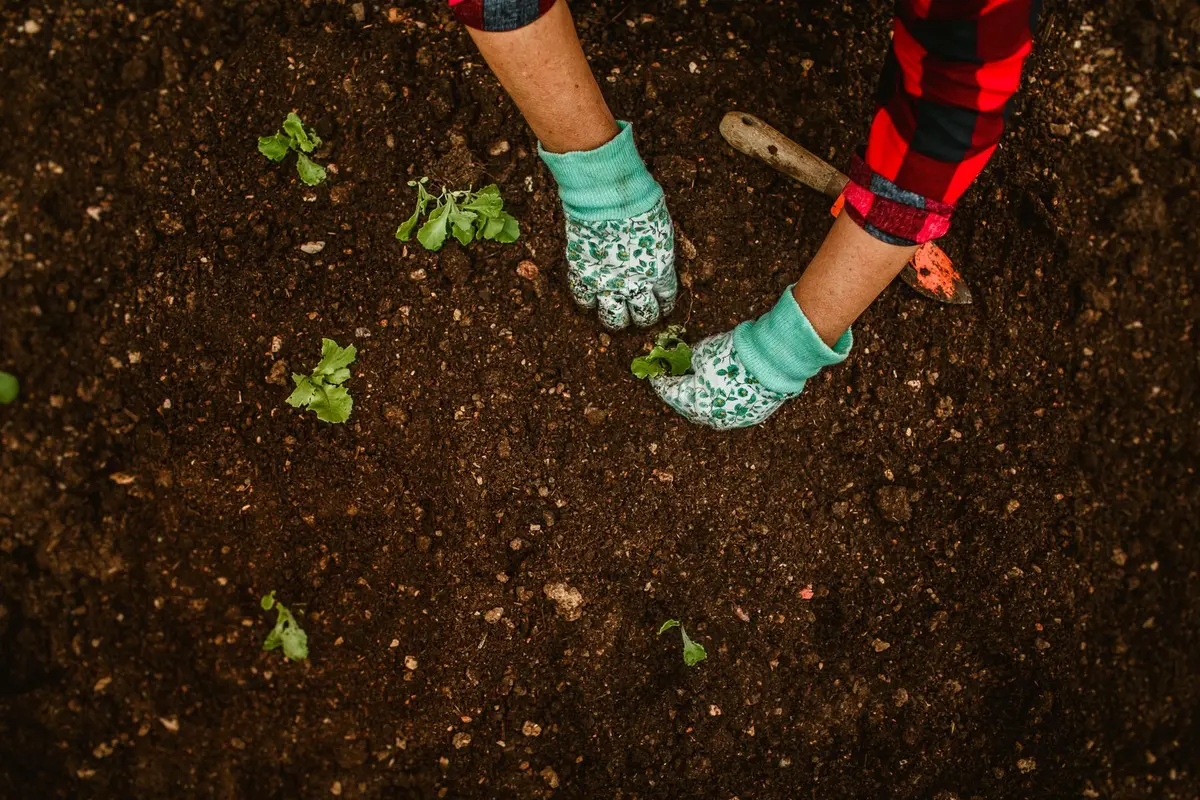
Plants that go from the light shelf to the bed in one day miss the one to two weeks outside that UMaine asks for.
Source: UMaine Extension Bulletin #2751, Starting Seeds at Home, checked October 17, 2026.
When the steps change
Variants
🪴
Coldest yards (3a to 4a)
Planting out in June pushes everything later. In Ely (June 4 out), peppers go in March 26 to April 14, tomatoes April 4 to 24, and hardening off starts May 21. Check the season fit before you sow.
Source: NOAA 1991-2020 U.S. Climate Normals, annual/seasonal, checked October 7, 2026; UMaine Extension Bulletin #2751, Starting Seeds at Home, checked October 17, 2026.
🏙️
Milder end of the band (5a, 5b)
Earlier out days pull the windows into March. In Burlington (May 11 out), peppers go in March 2 to 21 and tomatoes March 11 to 31, with 144 days to the early fall frost.
Source: NOAA 1991-2020 U.S. Climate Normals, annual/seasonal, checked October 7, 2026; UMaine Extension Bulletin #2751, Starting Seeds at Home, checked October 17, 2026.
❄️
A season under about 100 days
When the out day to early fall frost is short, choose varieties by days to maturity first, then count back. Ely's 95 days leave room for Early Girl (52) and only just for Brandywine (85).
Source: SDSU Extension, Choosing Vegetable Varieties for Your Area, checked October 17, 2026; NOAA 1991-2020 U.S. Climate Normals, annual/seasonal, checked October 7, 2026.
☀️
Buying transplants instead
Skip steps 4 to 7. Bring plants home before the hardening-off start, give them one to two weeks outside, and plant on your planting-out day. Step 3 still applies to the variety you buy.
Source: UMaine Extension Bulletin #2751, Starting Seeds at Home, checked October 17, 2026.
What people learn the second year
Tips and tricks
- Do the season check before you order. Count the safe season first, then order seed. A variety that can't ripen before your early fall frost isn't worth a tray.
- Sow the long crops first. In UMaine's table, celery needs 10 to 12 weeks from sprouting and onions 8, against 4 for cucumbers. Put the long ones at the top of the sheet. (UMaine Extension Bulletin #2751, Starting Seeds at Home)
- Note the day seeds come up. Write the sprouting date next to each crop. If a tray is slow, you'll know how much of the window it used.
- Mark the hardening-off day too. Put the hardening-off start on the calendar the same night as the sow dates, so it doesn't slip past.
- Keep the first-ripe date. The first ripe fruit date tells you next spring whether the variety fits or the out day can move.
The one we checked the steps against
Primary source
Bulletin #2751, Starting Seeds at Home, University of Maine Cooperative Extension, published January 1, 2021. Checked October 17, 2026.
University of Maine Extension writes for a state where most last frosts fall in late May or early June. Bulletin #2751 lists days to sprout and weeks from sprouting to transplant for each crop, plus the heat, light and hardening-off numbers this page uses.
The arithmetic and the background reading
Tools and guides in this system
- ❄️ LookupFrost date lookup by zip codeFind the typical last spring and first fall frost for your zip code from NOAA 1991 to 2020 station normals, with the 1 in 10 year dates and a printable card.Open the tool
- 🌱 CalculatorSeed quantity calculatorHow many seeds your rows take, how many to keep on hand once germination is allowed for, and how many packets or ounces to order.Open the tool
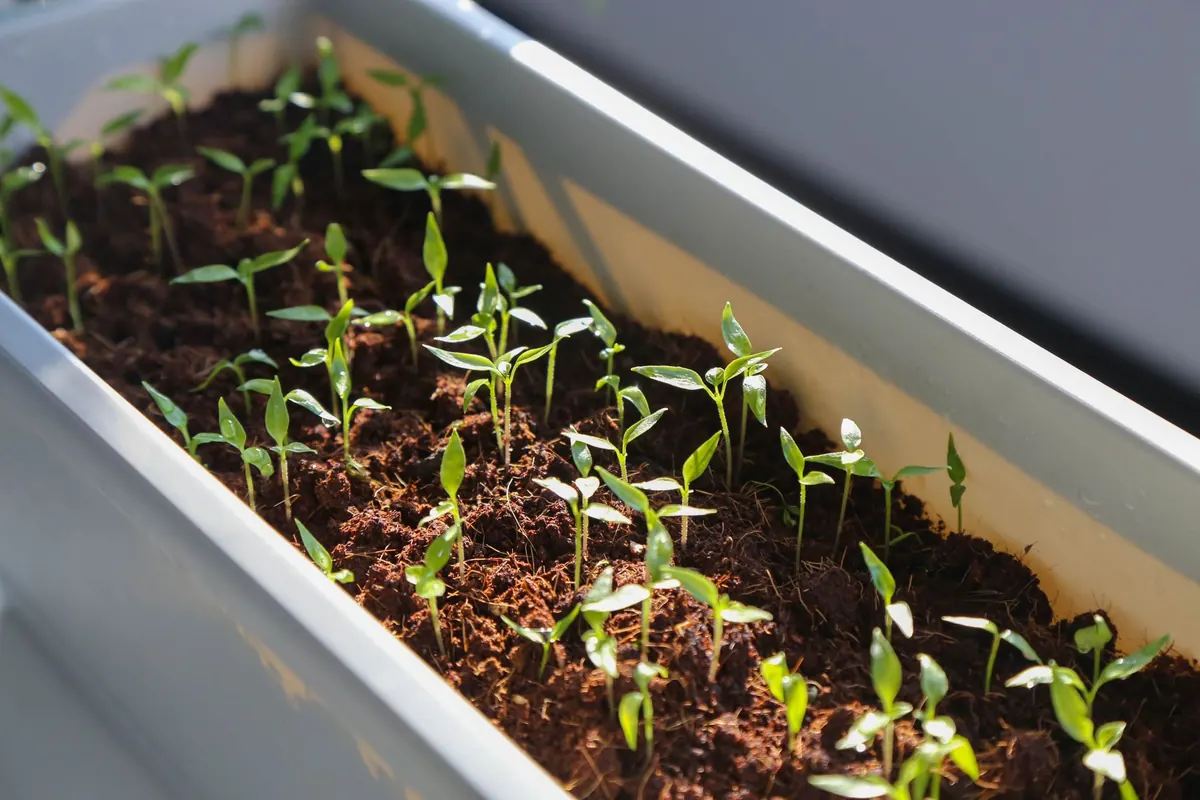 📘 Know-howWhen to start seeds in zones 3 to 5Pick the day plants go outside, then count back the weeks plus the days seeds take to sprout. Worked dates for zones 3b, 4a and 5a.Read the guide
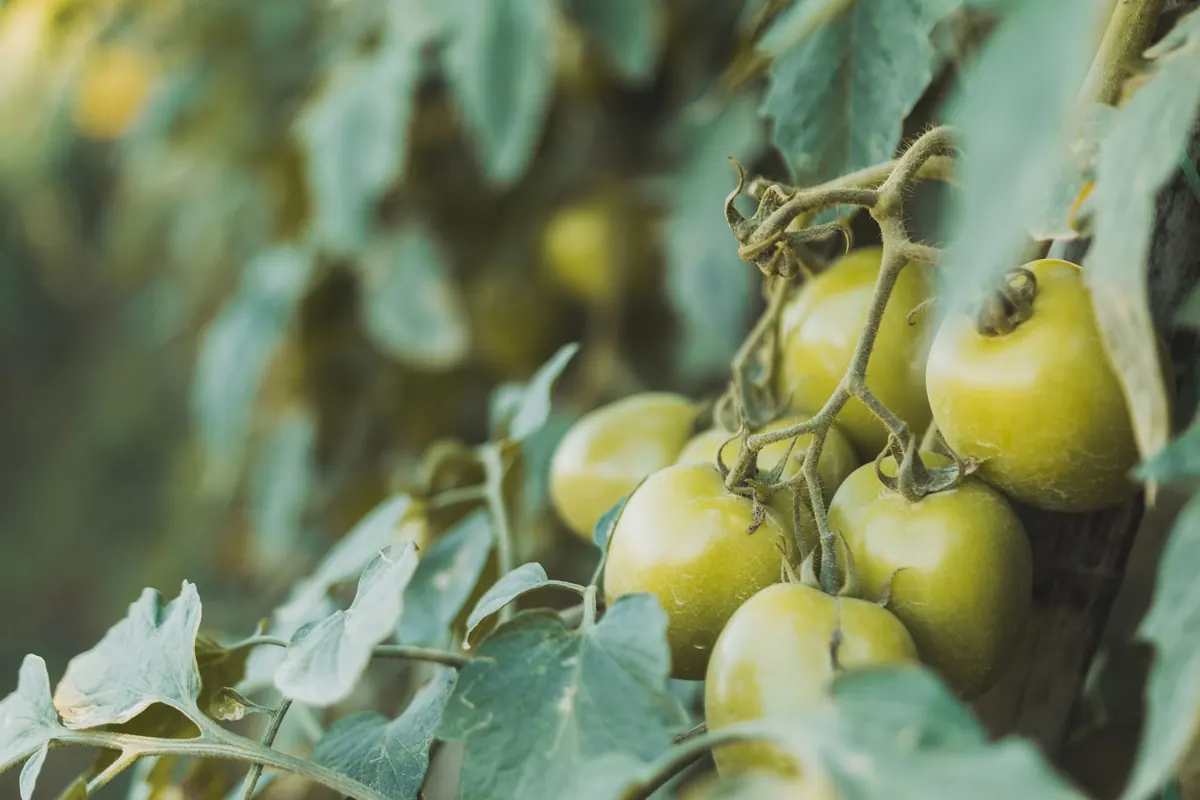 🧰 Problem solverWill it ripen before fall frost? Count the days to maturityCount from your planting-out day to the early fall frost date, then check the days to maturity against it. Worked example at two Montana stations.Read the guide
Common questions
Questions
When do I start tomato seeds indoors in zone 4?
Count back from your own planting-out day. UMaine gives tomatoes 6 to 12 days to sprout plus 5 to 7 weeks. At 58103 in Fargo, zone 4a, the 1 in 10 last frost is May 18, so March 18 to April 7.
Source: UMaine Extension Bulletin #2751, Starting Seeds at Home, checked October 17, 2026; NOAA 1991-2020 U.S. Climate Normals, annual/seasonal, checked October 7, 2026.
When do I start seeds indoors in zone 5?
The same way. At 05401 in Burlington, zone 5b, the 1 in 10 last frost is May 11, so tomatoes go in March 11 to 31 and peppers March 2 to 21.
Source: UMaine Extension Bulletin #2751, Starting Seeds at Home, checked October 17, 2026; NOAA 1991-2020 U.S. Climate Normals, annual/seasonal, checked October 7, 2026.
When do I start seeds in zone 3?
Late in the spring. Near Ely, zone 3b, the 1 in 10 last frost is June 4, so tomatoes go in April 4 to 24 and peppers March 26 to April 14.
Source: UMaine Extension Bulletin #2751, Starting Seeds at Home, checked October 17, 2026; NOAA 1991-2020 U.S. Climate Normals, annual/seasonal, checked October 7, 2026.
Do the weeks on the chart count from sowing?
Not in UMaine's table. It counts weeks from germination to transplant, so add the days to sprout on top: 6 to 12 for tomatoes, 9 to 14 for peppers.
Source: UMaine Extension Bulletin #2751, Starting Seeds at Home, checked October 17, 2026.
Will a long-season tomato ripen in my yard?
Count the days from your out day to the early fall frost and compare the days to maturity from transplant. Near Ely that's 95 days; Brandywine at 85 fits with 10 to spare.
Source: SDSU Extension, Choosing Vegetable Varieties for Your Area, checked October 17, 2026; NOAA 1991-2020 U.S. Climate Normals, annual/seasonal, checked October 7, 2026.
The next job on the shelf
More garden systems
 7 steps🧭 SystemRefresh border mulch: measure each bed, then buy only the gapMeasure the old layer in every bed before you order. One example yard needs 23 bags of 2 cu ft, not 45. The steps, the 3 inch limit and a free mulch record.Open the system
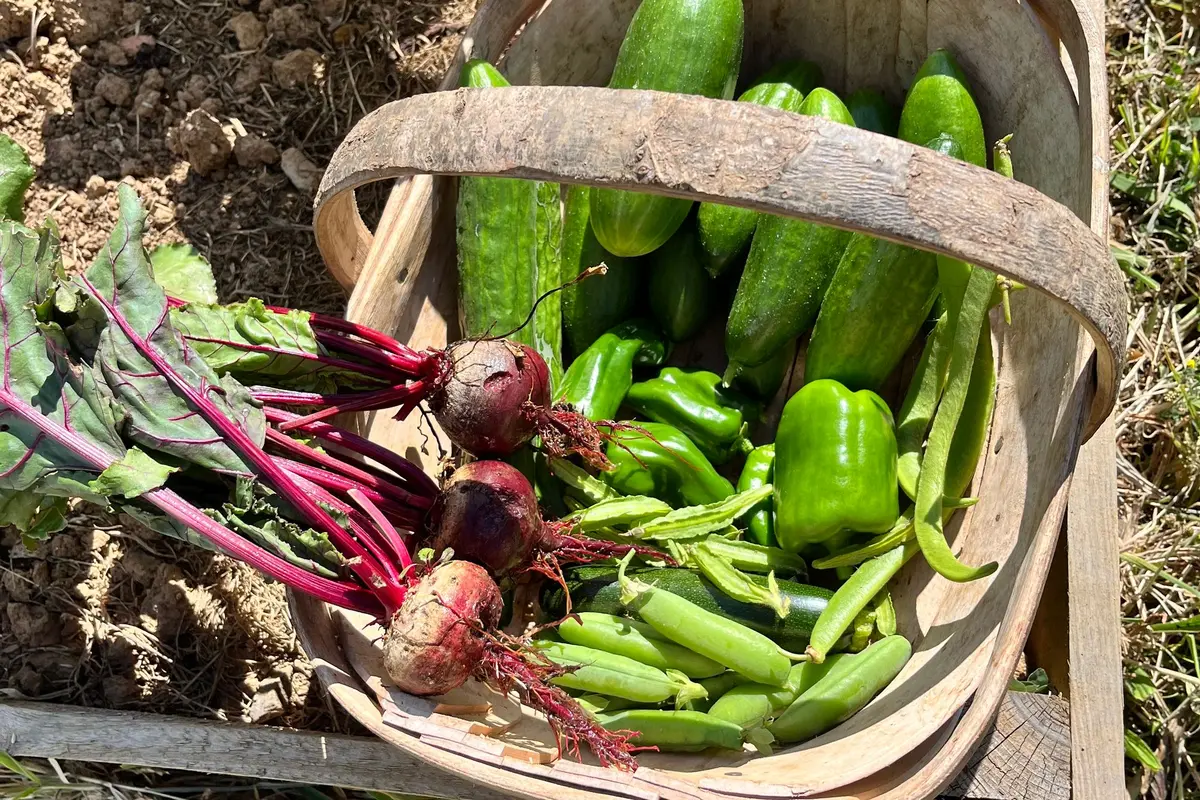 8 steps🧭 SystemEnd-of-season review: turn this year's harvest into next year's planAdd up each crop's pounds, set them beside an extension average, grade them, size next year's rows and move each family to a new bed. Free review sheet.Open the system
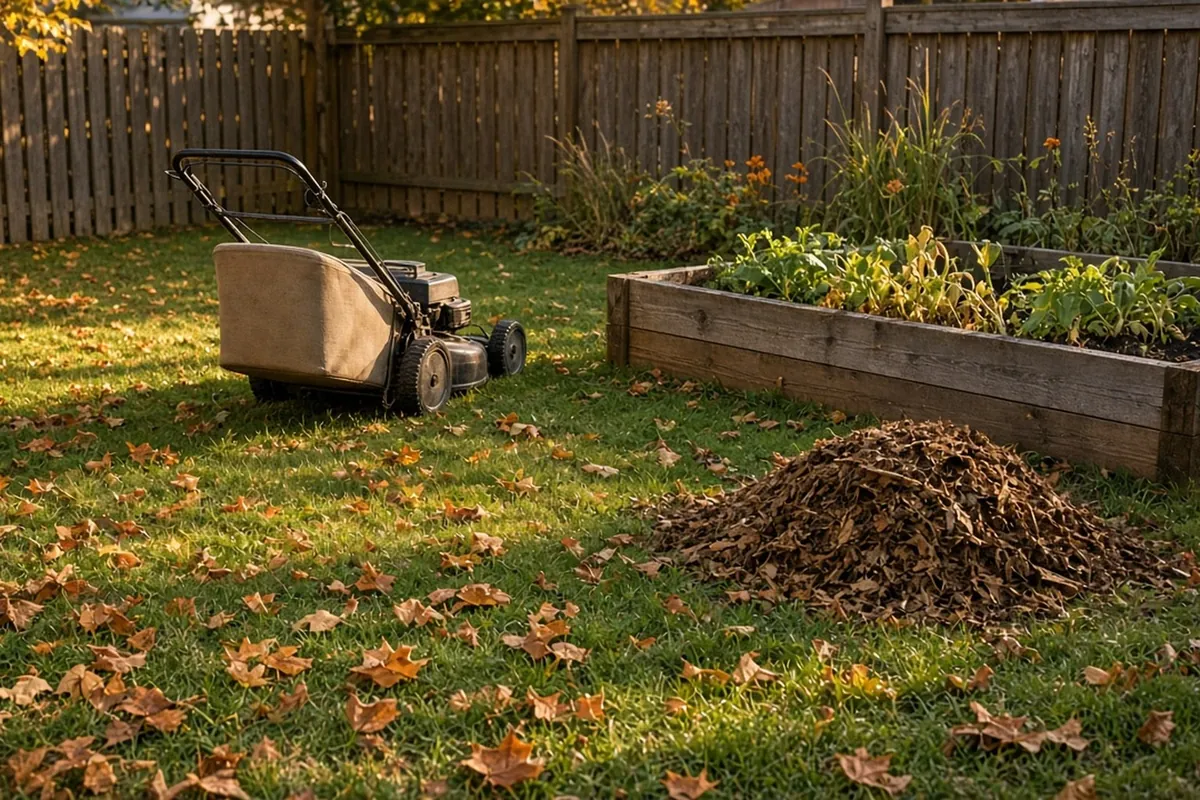 7 steps🧭 SystemTurn fall leaves into bed cover and mulch, and keep a tally of the bagsWhat to do with fall leaves: mow a thin layer into the lawn, shred the rest and spread 2 to 3 inches on beds. Free leaf haul tally to print.Open the system
Sources
- Bulletin #2751, Starting Seeds at Home, University of Maine Cooperative Extension, published January 1, 2021. Checked October 17, 2026.
- U.S. Climate Normals (1991-2020), annual/seasonal normals by station, NOAA National Centers for Environmental Information (NCEI). Checked October 7, 2026.
- 2023 USDA Plant Hardiness Zone GIS Datasets, PRISM Group, Oregon State University (for USDA). Checked October 6, 2026.
- 1991-2020 U.S. Climate Normals documentation: Annual/Seasonal Normals, NOAA National Centers for Environmental Information (NCEI). Checked October 7, 2026.
- Choosing Vegetable Varieties for Your Area, South Dakota State University Extension, published December 4, 2018. Checked October 17, 2026.
- 7 CFR 201.31, Minimum germination standards for vegetable seeds in interstate commerce, USDA Agricultural Marketing Service (Federal Seed Act regulations, eCFR), published July 7, 2020. Checked October 14, 2026.
Planning guide, not a guarantee. See every source on the site on the sources page. Spotted an error? Tell us.