📘 Know-howBeds4 min read
Seeds per foot of row: sowing spacing, seeds per hole, and thinning
Quick answer
A row takes two spacings: one for sowing and one for the plants you keep. Illinois Extension sows carrots 1/2 inch apart (24 seeds a foot) and thins them to 1 inch, and sows leaf lettuce at 10 seeds a foot and thins it to 4 inches. Big seeds go 2 to 4 to a hill, and you keep the strongest seedling.
Source: Illinois Extension, vegetable planting spacing and seeds (2020), checked October 17, 2026; Illinois Extension, lettuce, checked October 17, 2026; UMD Extension, sowing vegetable seeds outdoors, checked October 17, 2026.

Two numbers
Why the packet gives you two spacings
Small seed is hard to place one at a time, and not every seed comes up. So extension guides have you sow closer than the plants need, then pull the extras. University of Maryland Extension puts it plainly: small seeds are hard to plant precisely, "so plan to thin out excess seedlings later to achieve the desired spacing." NC State Extension's handbook says the same about beans and peas: plant them closer than the final spacing, since extra seed makes up for poor germination.
Source: UMD Extension, sowing vegetable seeds outdoors, checked October 17, 2026; NC State Extension Gardener Handbook, ch. 16 vegetable gardening, checked October 17, 2026.
That gives you two numbers for each crop. The sowing spacing tells you how many seeds go in a foot of row. The thinned spacing tells you how many plants you end up with. In Illinois Extension's spacing table, carrots go in 1/2 inch apart and get thinned to 1 inch, and beets go in 1 inch apart and get thinned to 2. Its lettuce page says 10 seeds per foot, thinned to 4 inches for leaf lettuce.
Source: Illinois Extension, vegetable planting spacing and seeds (2020), checked October 17, 2026; Illinois Extension, lettuce, checked October 17, 2026.
- 24 / ftcarrot seed sown at 1/2 inch, thinned to 1 inchIllinois Extension, vegetable planting spacing and seeds (2020), October 17, 2026
- 10 / ftleaf lettuce seed, thinned to 4 inchesIllinois Extension, lettuce, October 17, 2026
- 2 to 4seeds in each hill of cucumbers, squash or melonsUMD Extension, sowing vegetable seeds outdoors, October 17, 2026
- 1 or 2true leaf pairs: the time to start thinningNC State Extension Gardener Handbook, ch. 16 vegetable gardening, October 17, 2026
Big seed
Seeds per hole and per hill
Big seeds like beans, squash and cucumbers are easy to space one at a time, so you can sow them at the final spacing. Clemson Extension's planting chart lists one in-row spacing per crop, such as 2 inches for bush beans and 12 inches for cucumbers. The seed calculator uses those numbers as its defaults.
Source: Clemson HGIC 1256, planning a garden, checked October 14, 2026; UMD Extension, sowing vegetable seeds outdoors, checked October 17, 2026.
Vining crops are often sown in hills instead. That means a few seeds in one spot, then a gap. Maryland Extension says to plant two to four seeds in each hill. NC State's handbook says to thin hills to one or two plants, depending on the crop. Illinois Extension gives pumpkins 4 to 5 seeds a hill, thinned to the best 2 or 3, and winter squash 4 seeds a hill, thinned to the best two.
Source: UMD Extension, sowing vegetable seeds outdoors, checked October 17, 2026; NC State Extension Gardener Handbook, ch. 16 vegetable gardening, checked October 17, 2026; Illinois Extension, vegetable planting spacing and seeds (2020), checked October 17, 2026.
The count
Count the seed for one row in five steps
Measure the row
Write down the row length in feet. An 8 ft row in a 4 x 8 bed is 96 inches.
Pick the sowing spacing
Use the packet, or an extension chart. For leaf lettuce at 10 seeds a foot, the gap between seeds is 1.2 inches.
Source: Illinois Extension, lettuce, checked October 17, 2026.
Add seeds per spot
For hills, multiply the spots by the seeds you drop in each. Eight cucumber spots with 3 seeds each is 24 seeds.
Source: UMD Extension, sowing vegetable seeds outdoors, checked October 17, 2026.
Allow for germination
Divide by the germination rate. At the federal minimum for lettuce, 80%, the 80 seeds you sow mean 100 on hand.
Source: 7 CFR 201.31, vegetable seed germination standards, checked October 14, 2026.
Mark the thinning date
Write on the row tag when to thin. NC State says to start when the seedlings have one or two pairs of true leaves.
Source: NC State Extension Gardener Handbook, ch. 16 vegetable gardening, checked October 17, 2026.
Thinning
Thinning without hurting the keepers
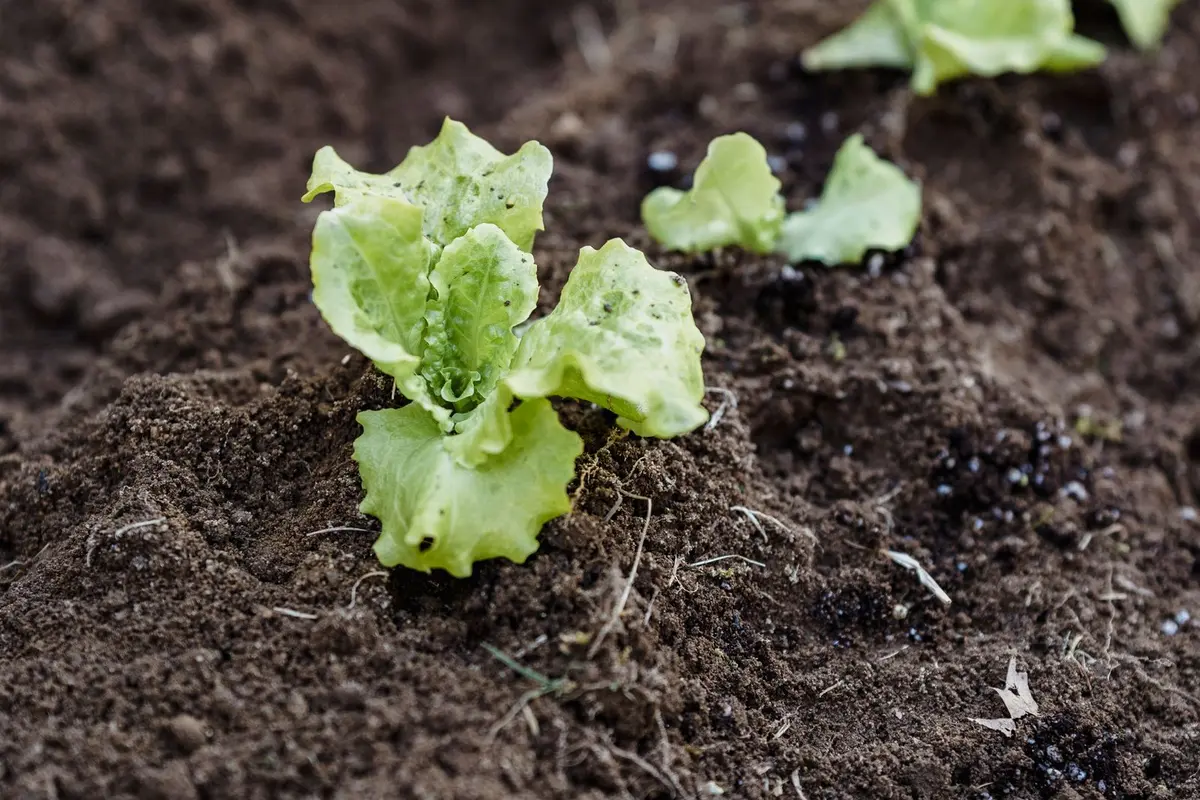
Thinning is the step people skip, and Maryland Extension says skipping it stunts the plants and cuts the harvest. NC State's handbook lists leaf lettuce, beets, radishes, carrots, spinach and turnips as the crops most often sown too thick. It suggests pinching or cutting extra seedlings instead of pulling them, so the roots of the plants you keep aren't disturbed.
Source: UMD Extension, sowing vegetable seeds outdoors, checked October 17, 2026; NC State Extension Gardener Handbook, ch. 16 vegetable gardening, checked October 17, 2026.
Print it, tick it off
Row sowing sheet
One line per row. Fill it in before you sow, and add the thinning date on the day.
- Crop, bed and row length in feet
- Sowing spacing, or seeds per foot
- Seeds per spot or hill, if you sow in hills
- Seeds sown and seeds kept on hand
- Final spacing after thinning
- Date sown and date thinned
- Gaps resown, and the date
What people learn the second year
Tips and tricks
- Mix tiny seed with sand. Illinois Extension suggests mixing carrot seed with sand so it spreads more evenly down the row. (Illinois Extension, vegetable planting spacing and seeds (2020))
- Use a ruler, not your eye. Maryland Extension suggests a ruler or yardstick to space seeds and rows. A marked stick laid along the furrow works too. (UMD Extension, sowing vegetable seeds outdoors)
- Thin in two passes. Thin to half the final spacing first, then to the full spacing a week or two later. If something fails in between, you still have spares.
- Keep the count with the packet. Write seeds per foot and the thinned spacing on the packet. Next year you sow from your own number.
Common questions
Questions
How many seeds per foot of row?
It depends on the crop. Illinois Extension sows carrots 1/2 inch apart, about 24 seeds a foot, beets 1 inch apart, 12 a foot, and leaf lettuce at 10 seeds a foot. All three get thinned afterward.
Source: Illinois Extension, vegetable planting spacing and seeds (2020), checked October 17, 2026; Illinois Extension, lettuce, checked October 17, 2026.
How many seeds should I put in each hole?
For big seed sown at its final spacing, one per spot. For hills of cucumbers, squash or melons, Maryland Extension says two to four seeds, then thin to the strongest seedling.
Source: UMD Extension, sowing vegetable seeds outdoors, checked October 17, 2026.
Do I really need to thin seedlings?
Yes, if you sowed thicker than the final spacing. Maryland Extension says crowded seedlings that aren't thinned grow stunted and yield less.
Source: UMD Extension, sowing vegetable seeds outdoors, checked October 17, 2026.
When should I thin seedlings?
NC State Extension says to start when the seedlings have one or two pairs of true leaves. Pinch or cut the extras rather than pulling them.
Source: NC State Extension Gardener Handbook, ch. 16 vegetable gardening, checked October 17, 2026.
The arithmetic, done for you
Tools for this job
- 🌱 CalculatorSeed quantity calculatorHow many seeds your rows take, how many to keep on hand once germination is allowed for, and how many packets or ounces to order.Open the tool
- 🧺 SectionAll beds toolsPlan a wooden raised bed: how many boards to buy, where to cut them, how tall the bed ends up and how much soil it will hold.See the section
Keep reading
More guides
 📘 Know-howAre old seeds still good? How long seed keeps, and a 10-seed testHow many years vegetable seed keeps in cool, dry storage, how to sprout 10 seeds on a paper towel, and what to do with the count.Read the guide
 ✅ ChecklistHow to draw a garden bed map you'll actually use next yearMeasure the beds, pick a scale like 1 square = 1 foot, and mark what went where and when. Next spring the map tells you where each crop family goes.Read the guide
 📘 Know-howHow tall to build a raised bed: real board heights and the depths extension pages giveTwo 2x6 boards make an 11 inch bed, enough on open ground for most crops. When to go to 16 1/2 or 24 inches, and what each extra board costs in lumber and soil.Read the guide
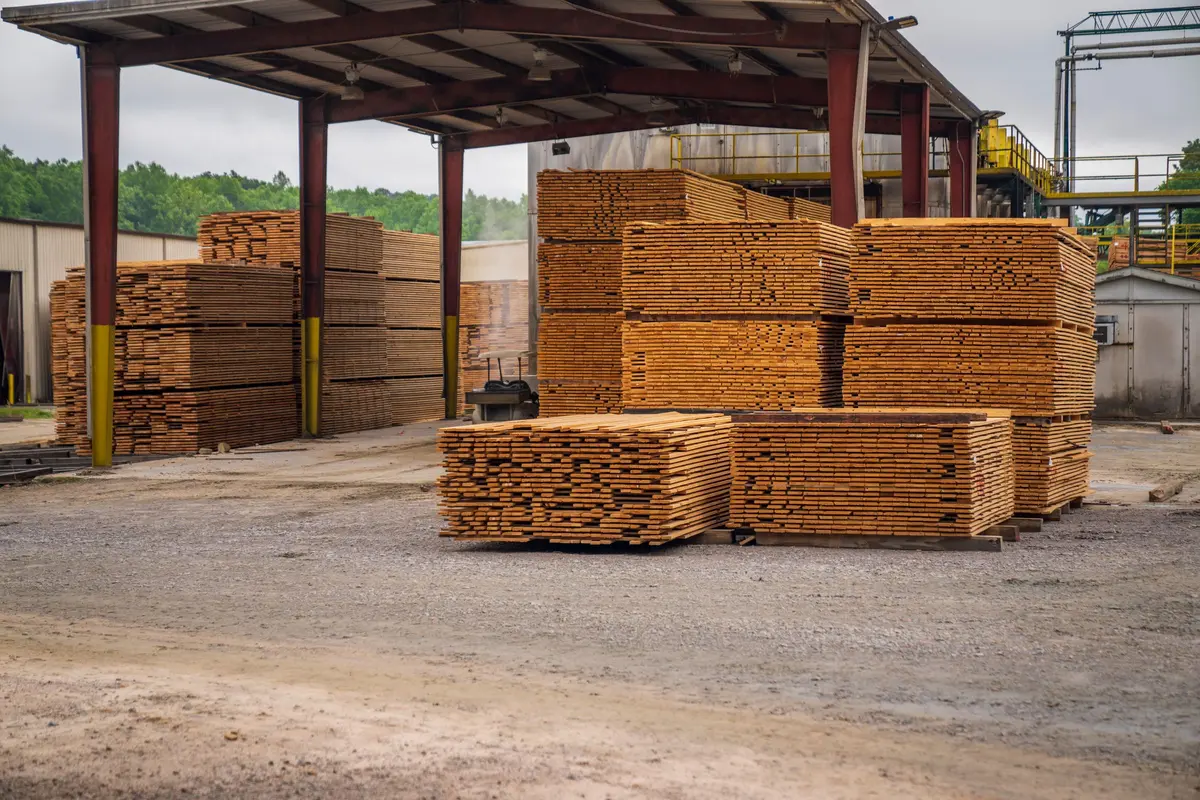 📘 Know-howNominal vs actual lumber sizes: what a 2x6 really is when you build a bedA 2x6 is 1 1/2 by 5 1/2 inches. The real size of every 2x board under the federal lumber standard, what it does to bed height and end cuts, and a lumber list.Read the guide
Sources
- Illinois Vegetable Planting: Dates, Spacing, and Seeds (Flowers, Fruits, and Frass blog), University of Illinois Extension, published February 11, 2020. Checked October 17, 2026.
- Lettuce (Home Vegetable Gardening), University of Illinois Extension. Checked October 17, 2026.
- Sowing Vegetable Seeds Outdoors, University of Maryland Extension, Home and Garden Information Center, published August 14, 2026. Checked October 17, 2026.
- North Carolina Extension Gardener Handbook, Chapter 16: Vegetable Gardening, NC State Extension. Checked October 17, 2026.
- Planning a Garden (HGIC 1256), Clemson Cooperative Extension, Home & Garden Information Center, published February 12, 2021. Checked October 14, 2026.
- 7 CFR 201.31, Minimum germination standards for vegetable seeds in interstate commerce, USDA Agricultural Marketing Service (Federal Seed Act regulations, eCFR), published July 7, 2020. Checked October 14, 2026.
Planning guide, not a guarantee. See every source on the site on the sources page. Spotted an error? Tell us.