🧰 Problem solverBeds5 min read
The winter seed order: how much seed to buy, crop by crop
Quick answer
Go one crop at a time. Divide the row length in inches by the spacing to get the seeds you sow, then divide by the germination rate to get the seeds to have on hand. If the packet prints no rate, use the federal minimum: 70% for beans, 55% for carrots. A 4 by 8 ft bed of beans, carrots, peas and lettuce comes to 856 seeds on hand. Count last year's leftovers before you order.
Source: Clemson HGIC 1256, planning a garden, checked October 14, 2026; 7 CFR 201.31, vegetable seed germination standards, checked October 14, 2026.

The problem
Why the seed order comes out wrong
Most people order by the packet: one of each thing they want to grow, two of the favorites. Then spring comes and the carrots run out halfway down the second row while a pile of radish seed is still left over. Nobody worked out how many seeds the rows take.
Two numbers decide it. Spacing sets how many seeds go into a row, and that changes a lot from crop to crop: Clemson Extension's chart puts carrots and peas 1 inch apart and summer squash 15 inches apart. Germination sets how many extra you need, because not every seed comes up. Clemson's advice is to plan the garden on paper and order seeds by January or February, which leaves time for both.
Source: Clemson HGIC 1256, planning a garden, checked October 14, 2026.
Step by step
Work out the order in an evening
Sketch the beds
Draw each bed and mark which crop goes where, how many rows and how long each row is. A rough drawing on graph paper is enough.
Find the spacing
Use the in-row spacing on the packet for your variety. If you don't have the packet yet, the seed calculator starts from Clemson Extension's chart.
Source: Clemson HGIC 1256, planning a garden, checked October 14, 2026.
Count last year's seed
Open the old packets, count what's left of the big seeds like beans and peas, and note the year on each one.
Test the doubtful ones
Sprout 10 seeds from any older packet on a damp paper towel. The count out of 10 gives you a real germination rate to work with.
Source: Illinois Extension, test seed viability (2017), checked October 14, 2026.
Run each crop through the calculator
Enter rows, row length and spacing. Leave germination blank to use the federal minimum, or type your test result.
Write one line per crop
Copy the seeds to have on hand and the packets to buy onto the order sheet below, then shop from the sheet.
- 856seeds on hand for the example bedArithmetic
- 70%federal minimum for garden beans7 CFR 201.31, vegetable seed germination standards, October 14, 2026
- 55%federal minimum for carrots7 CFR 201.31, vegetable seed germination standards, October 14, 2026
- 3/4 lbsnap bean seed per 100 ft of rowClemson HGIC 1256, planning a garden, October 14, 2026
Look at the carrots. They take 192 seeds in the ground but 350 on hand, because carrot seed only has to reach 55% to be sold without a Below Standard label. The peas take the same 192 but only 240 on hand, because their floor is 80%, so the same rows need 110 fewer pea seeds.
Source: 7 CFR 201.31, vegetable seed germination standards, checked October 14, 2026.
Leftovers
Use last year's seed first
Old seed can still fill rows, but you don't know its rate until you test it. Say you count 120 bean seeds left from last year and 8 of 10 sprout in a towel test. At 80%, those 120 seeds should fill about 96 of the bed's 144 spots. That leaves 48 spots, and at the 70% floor for new seed, 69 new seeds cover them. You buy 69 seeds instead of 206.
Source: Illinois Extension, test seed viability (2017), checked October 14, 2026; 7 CFR 201.31, vegetable seed germination standards, checked October 14, 2026.
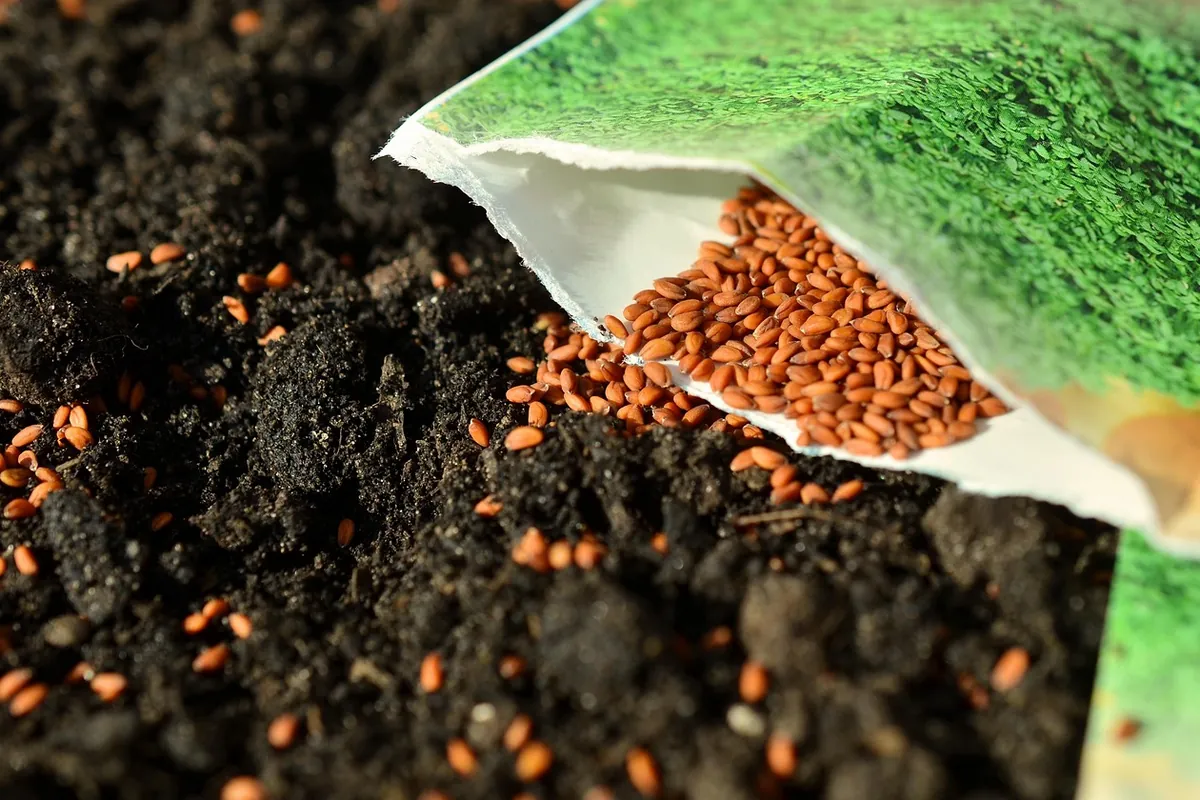
Buying
Packets, counts and ounces
Seed packets of 1 pound or less don't have to print a germination rate when the seed meets the federal standard. That's why so many packets show a seed count or a weight but no percentage. If a packet does print a rate, use it. If it says Below Standard, it has to print its real rate, and you'll need more seed than usual.
Source: 7 CFR 201.29, germination on small seed packets, checked October 14, 2026.
For the packets line you need the seed count from the packet. Bulk seed is sold by weight, so the calculator also shows ounces from Clemson's seed per 100 ft of row. The example's 24 ft of beans works out to about 2.9 ounces of bean seed, and 16 ft of peas to about 2.6 ounces.
Source: Clemson HGIC 1256, planning a garden, checked October 14, 2026.
Print it, tick it off
Winter seed order sheet
One line per crop. Fill it in from the calculator before you open a catalog.
- Crop, variety and the bed it goes in
- Rows, row length and spacing
- Seeds to sow and seeds to have on hand
- Leftover seed counted, with its year and test result
- New seed still needed
- Packets or ounces to buy, and the seed count per packet
- Where ordered and the date
What people learn the second year
Tips and tricks
- Order the short-lived seed fresh. Onion and parsnip seed keeps about a year in cool, dry storage, according to Nebraska Extension. Buy those new each winter. (UNL Extension G2090, seed storage and germination)
- Split by sowing date. If you sow lettuce or radishes every few weeks, count every sowing in the order, not just the first one.
- Write the year on new packets. Mark each packet with the year it arrived. Next winter's count goes much faster.
- Keep the sheet with the seed. Fold the order sheet into the seed box. It becomes the starting list for next year.
Common questions
Questions
How many seed packets do I need for a small garden?
Work it out by crop. Divide the row length in inches by the spacing, multiply by the number of rows, then divide by the germination rate. Divide that by the seed count on the packet and round up. A 4 by 8 ft bed of beans, carrots, peas and lettuce needs 856 seeds on hand.
Source: Clemson HGIC 1256, planning a garden, checked October 14, 2026; 7 CFR 201.31, vegetable seed germination standards, checked October 14, 2026.
When should I order seeds?
Clemson Extension's advice is to plan the garden and order seeds by January or February.
Source: Clemson HGIC 1256, planning a garden, checked October 14, 2026.
Can I use last year's seeds?
Usually, if they were stored cool and dry. Nebraska Extension's table gives most vegetable seed 2 to 5 years, but onion and parsnip only about 1. Sprout 10 seeds on a damp paper towel to get a real rate before you count on them.
Source: UNL Extension G2090, seed storage and germination, checked October 14, 2026; Illinois Extension, test seed viability (2017), checked October 14, 2026.
Why do I need more carrot seed than pea seed for the same rows?
Both are spaced 1 inch apart in Clemson's chart, but carrot seed only has to reach 55% germination under federal rules, while peas have to reach 80%. More carrot seed is needed to fill the same row.
Source: Clemson HGIC 1256, planning a garden, checked October 14, 2026; 7 CFR 201.31, vegetable seed germination standards, checked October 14, 2026.
The arithmetic, done for you
Tools for this job
- 🌱 CalculatorSeed quantity calculatorHow many seeds your rows take, how many to keep on hand once germination is allowed for, and how many packets or ounces to order.Open the tool
- 🧺 SectionAll beds toolsPlan a wooden raised bed: how many boards to buy, where to cut them, how tall the bed ends up and how much soil it will hold.See the section
Keep reading
More guides
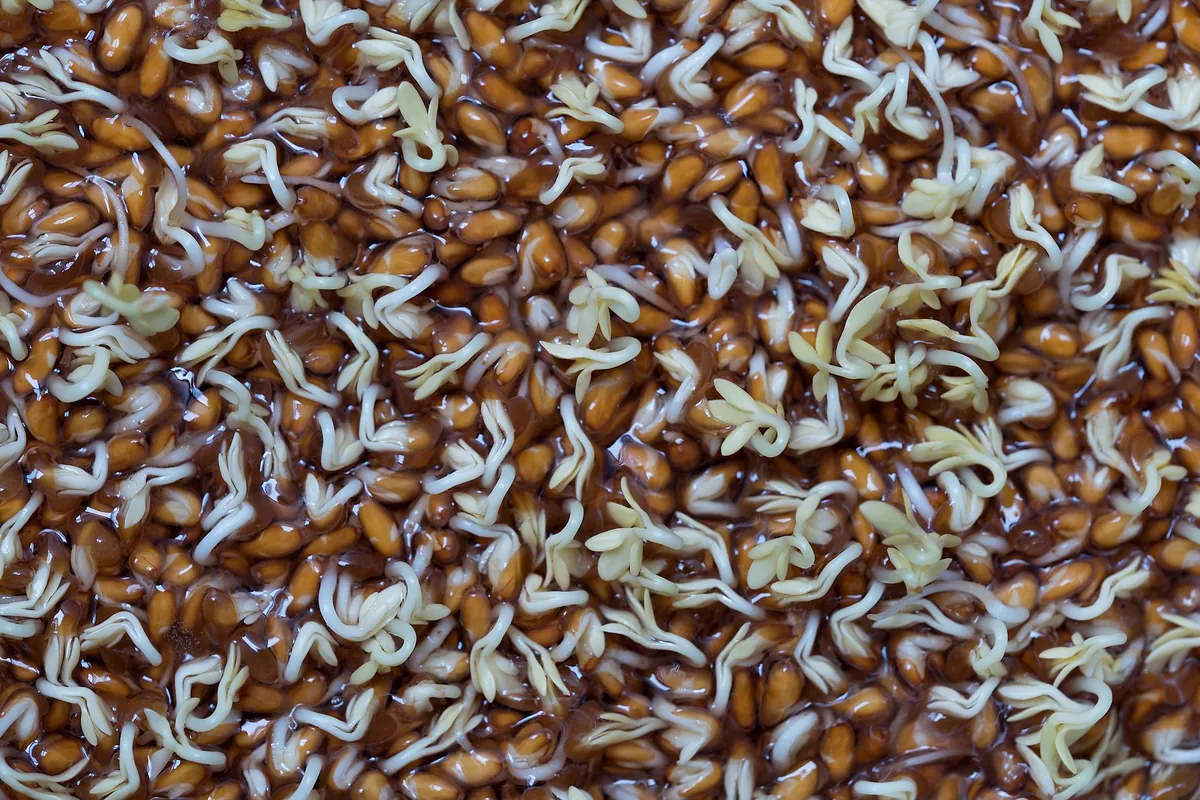 📘 Know-howAre old seeds still good? How long seed keeps, and a 10-seed testHow many years vegetable seed keeps in cool, dry storage, how to sprout 10 seeds on a paper towel, and what to do with the count.Read the guide
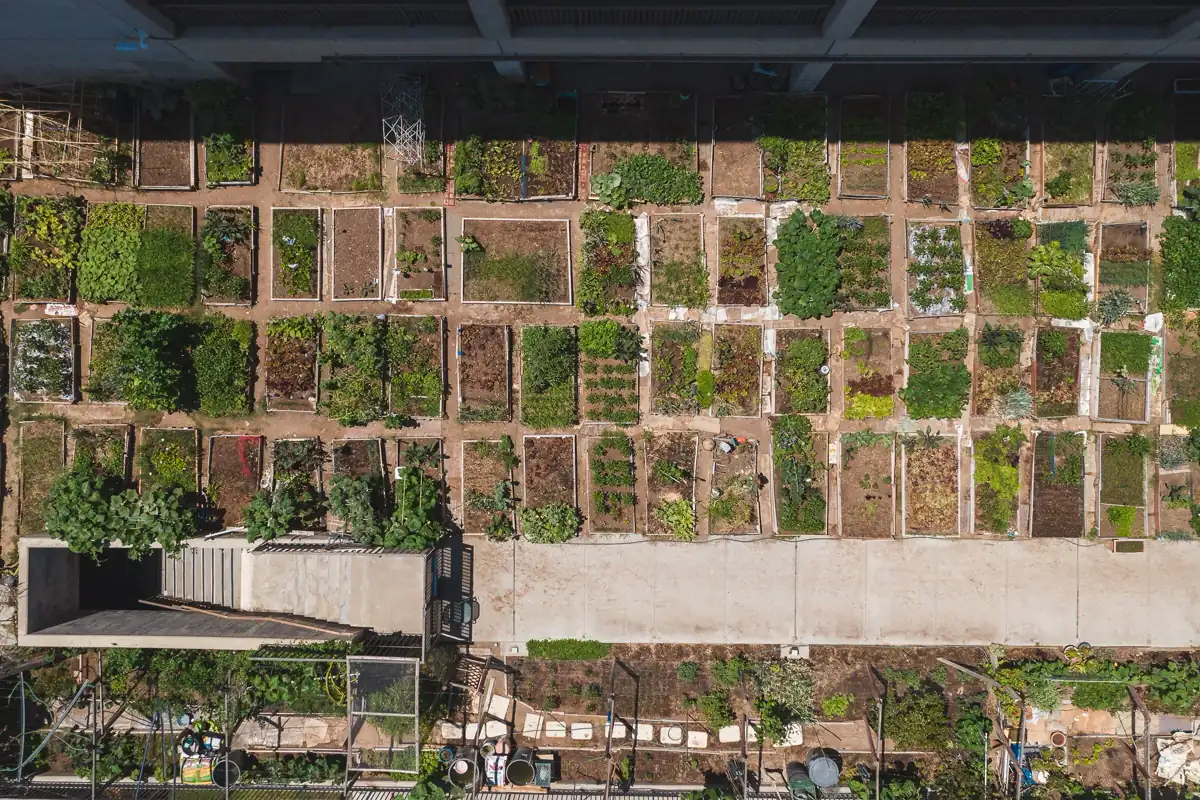 ✅ ChecklistHow to draw a garden bed map you'll actually use next yearMeasure the beds, pick a scale like 1 square = 1 foot, and mark what went where and when. Next spring the map tells you where each crop family goes.Read the guide
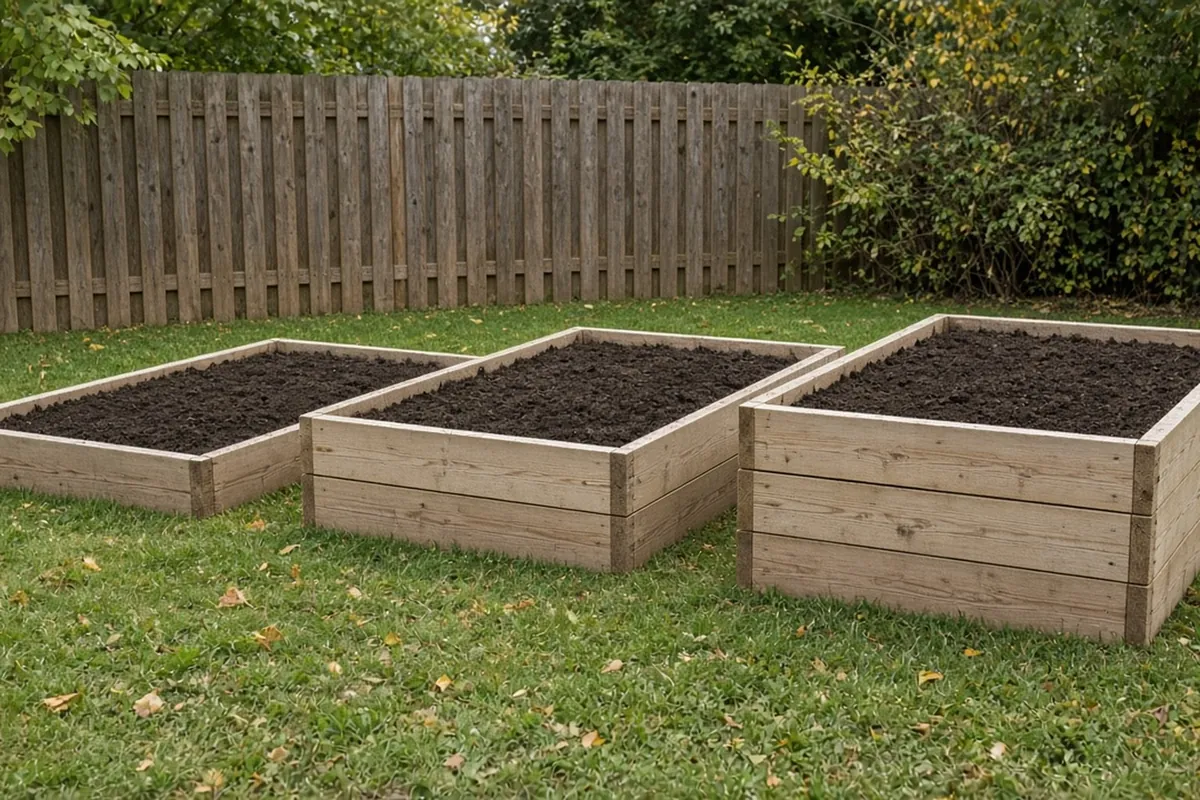 📘 Know-howHow tall to build a raised bed: real board heights and the depths extension pages giveTwo 2x6 boards make an 11 inch bed, enough on open ground for most crops. When to go to 16 1/2 or 24 inches, and what each extra board costs in lumber and soil.Read the guide
 📘 Know-howNominal vs actual lumber sizes: what a 2x6 really is when you build a bedA 2x6 is 1 1/2 by 5 1/2 inches. The real size of every 2x board under the federal lumber standard, what it does to bed height and end cuts, and a lumber list.Read the guide
Sources
- Planning a Garden (HGIC 1256), Clemson Cooperative Extension, Home & Garden Information Center, published February 12, 2021. Checked October 14, 2026.
- 7 CFR 201.31, Minimum germination standards for vegetable seeds in interstate commerce, USDA Agricultural Marketing Service (Federal Seed Act regulations, eCFR), published July 7, 2020. Checked October 14, 2026.
- Test seed viability (ILRiverHort blog), University of Illinois Extension, published February 3, 2017. Checked October 14, 2026.
- Vegetable Garden Seed Storage and Germination Requirements (G2090), University of Nebraska-Lincoln Extension, published June 1, 2011. Checked October 14, 2026.
- 7 CFR 201.29, Germination of vegetable seed in containers of 1 pound or less, USDA Agricultural Marketing Service (Federal Seed Act regulations, eCFR), published July 7, 2020. Checked October 14, 2026.
Planning guide, not a guarantee. See every source on the site on the sources page. Spotted an error? Tell us.